How to Prepare for Getting Dental Veneers

Dental Veneers - Fix Chipped, Gapped, or Misshapen Teeth
How to Prepare for Getting Dental Veneers

Dental veneers can change everything about your smile. If you are displeased about the appearance of your teeth, then you can consider getting veneers.

They are effective for teeth that are stained or discolored, chipped, broken, gapped, crowded or irregularly shaped. This article explains important facts about getting dental veneers and how to prepare for the procedure.

About the dental veneers procedure

Patients must understand that getting dental veneers is not an instant process. They cannot expect to complete the procedure in one dental appointment. The first visit is usually for consultation, dental preparation and taking impressions of the teeth.

The dentist may need to perform additional treatments such as replacing silver fillings or whitening nearby teeth that are not receiving veneers. The dentist who carry out holistic dentistry in Durango, CO will develop a treatment plan and walk the patient through the entire process.

How dental veneers work

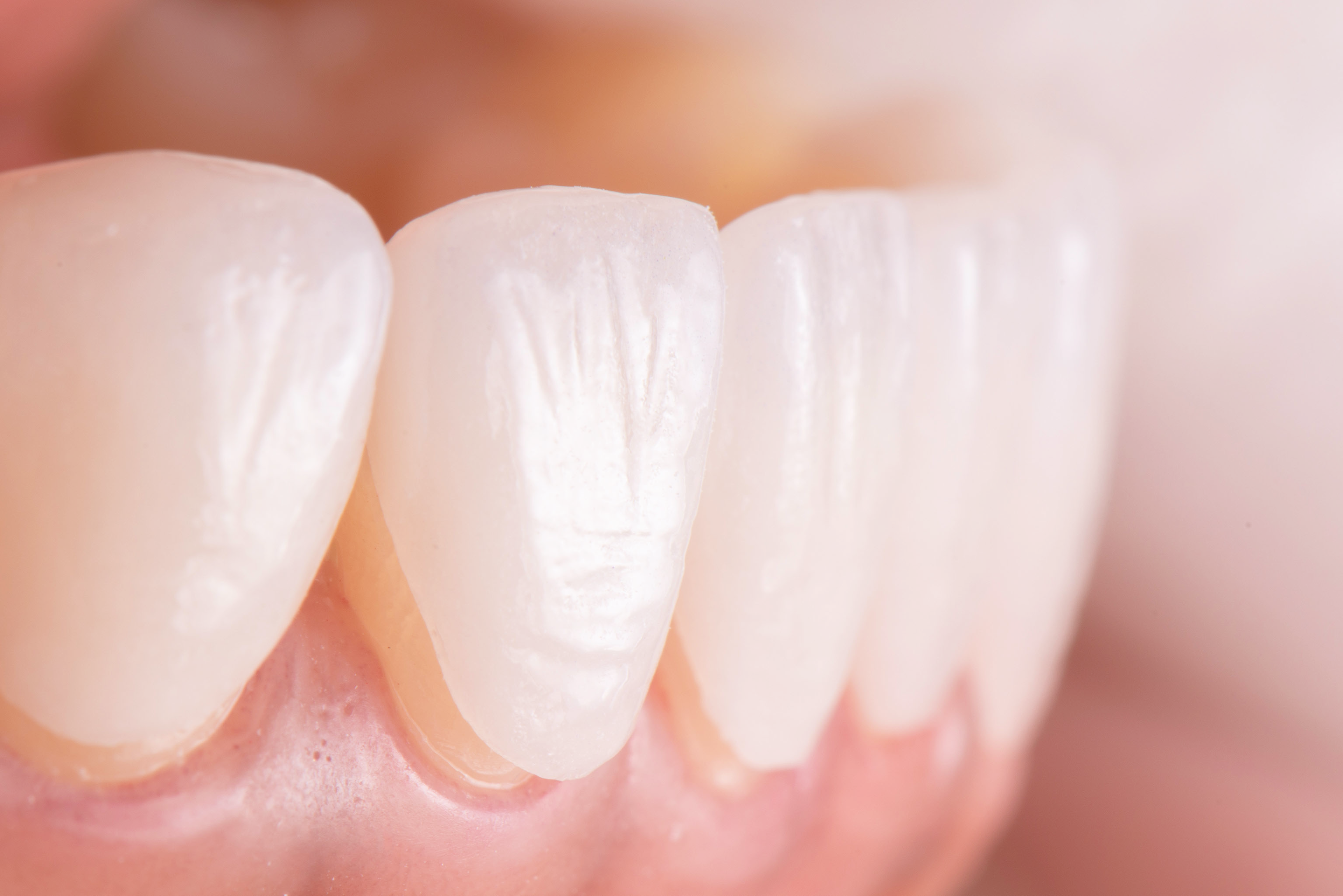
Veneers are simply thin porcelain shells bonded onto the surface of the flawed tooth to alter its appearance. When bonded onto the front set of teeth, the patient’s smile will appear whiter and straighter.

After opting for veneers, patients have the chance to select from traditional porcelain veneers or no-prep veneers.

Porcelain dental veneers

Porcelain is typically used for dental restorations, including crowns and bridges because of its durability. With veneers, the porcelain can be modified to cover only the front and side portions of the tooth.

The placement procedure is like getting a dental crown. The patient will need to visit for tooth preparation, after which an impression will be taken and sent to the dental lab that will create a custom veneer.

If a patient is eligible for standard composite veneers, the treatment will start with a diagnostic mockup of the possible veneer design.

The dentist will take an impression and make a model veneer to give the patient an idea of what their teeth will look like after the procedure. Preparing the tooth involves shaving off portions of the tooth enamel to create space for the new restoration.

No-prep dental veneers

The no-prep dental veneers procedure means there is no need to prepare the tooth before bonding the veneer onto it. This removes the drilling process, anesthesia administration or any invasive procedure. The dentist will simply condition the tooth and place the veneer.

This option means that patients can preserve the structure of the teeth. If the patient decides they no longer want the veneer or if the restoration fails, they can simply have them removed. The teeth will simply go back to the way they were before the veneer placement procedure.

While many patients are usually satisfied with the results of the no-prep veneers procedure, it is still convenient to have a totally reversible treatment should they want that option.

The process is similar to placing traditional veneers, only that there is no preparation of the teeth. Making the veneers typically takes about two weeks, after which the patient will need to return to the dentist for placement.
How Do Implant Restorations Feel and Look?

Walpole MA Dental Implant Restorations | Sharon Implant
How Do Implant Restorations Feel and Look?

One of the concerns patients often have about implant restorations is if they will have the same feel and appearance as natural teeth. Dental implants are created to feel like a real tooth. A single tooth implant supports a dental crown, which blends in with the rest of the teeth.

What are dental implants?

To fully understand how implants feel and look, it is important to understand what a dental implant is. If a patient has lost a tooth, either due to infection or trauma, the implant replaces the tooth root.

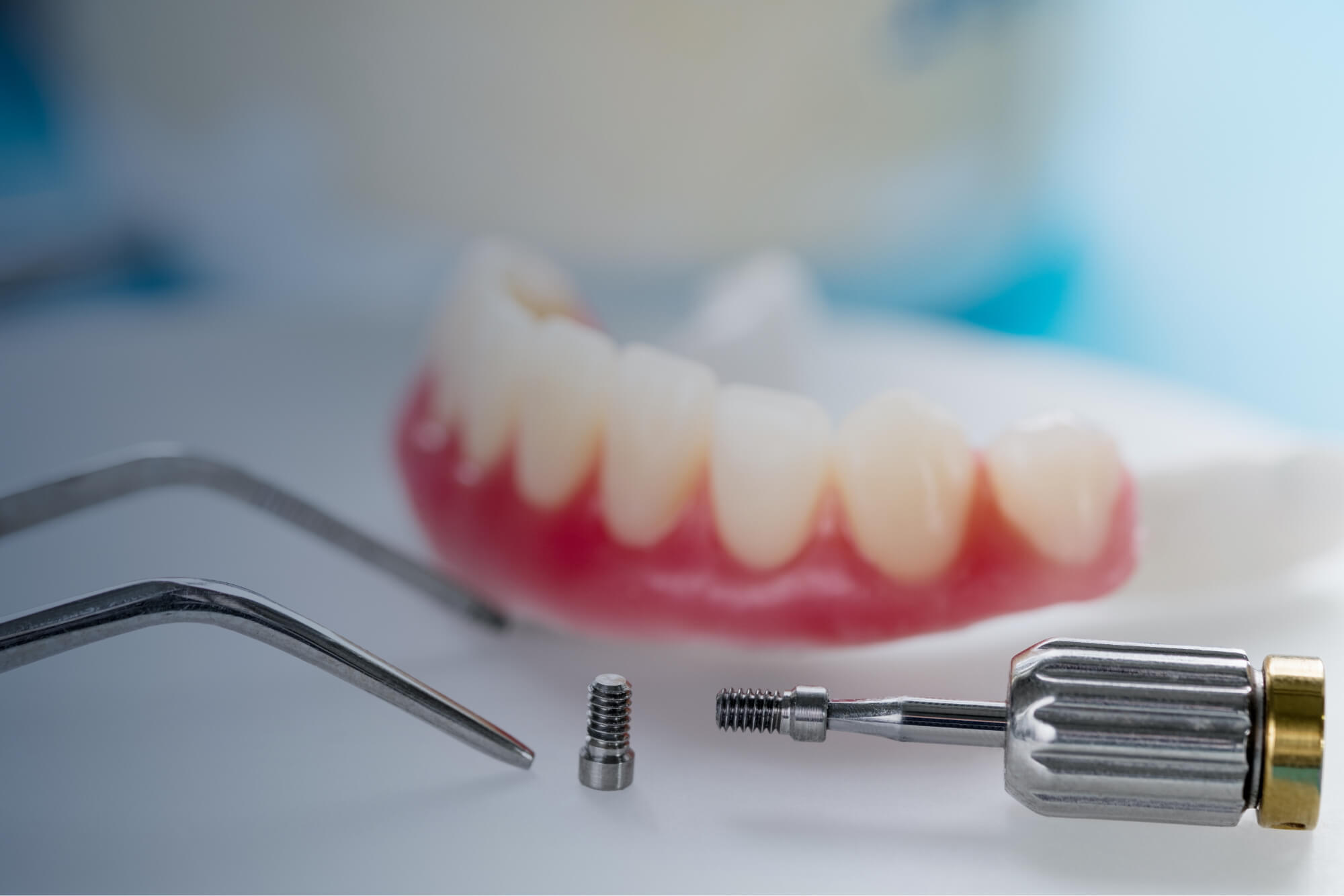
The implant is a titanium metal screw inserted into the jawbone. The titanium is biocompatible, which means it can integrate with the bone and serve as a stable foundation for the incoming restoration.

An implant restoration is essentially an implant and a prosthetic tooth, such as a dental crown, bridge or denture, depending on the number of teeth that need replacement.

How natural do implant restorations feel?

Since the dental implant is replacing a lost tooth root, the patient will not feel the implant itself because it sits inside the jawbone. Any sensation they might feel comes from the gum tissue surrounding the implant.

This means that the implant will not feel exactly like a natural tooth. The natural tooth root is made up of nerve tissues that feel sensations such as cold, heat and pressure.

The implant cannot feel these sensations because it is not living material with nerves. A person who has lost their natural teeth will need to rely on the nerves in the gum tissues to get any sensation.

That said, implant restorations look and function like natural teeth. The dentist who follow holistic dentistry in Durango, CO can design the restoration to blend in with existing teeth, allowing patients to care for the implants like the rest of their teeth.

Within a few weeks after completing the dental implant procedure, it will be hard to tell the difference. Although it may not get sensations, the restoration will feel like a regular tooth.

Additional benefits of dental implant restorations

Dental implants remain the closest match to natural teeth. The dental crown placed over the implant is fabricated from high-quality material that is customizable to the features of natural teeth. The crown will also have the reflective ability of natural teeth.

Dental implants encourage bone preservation and growth. Since the dental implant acts as the natural tooth root, it provides the stimulation required to keep the bone supporting the dental restoration alive. Lost tooth roots cause bone resorption and gum recession over time.

With the stability provided by dental implants, patients can chew, talk and smile confidently without fearing that their restoration will come loose. Therefore, many patients who have lost all their teeth and have to get dentures will have something less to worry about.

Final note

Getting dental implant restorations is a major decision, and patients need to understand what is involved so they can set realistic expectations.

Once a dental crown goes over the implant, you will once again have the function and beauty of your smile.

How a Tooth Extraction Can Improve Oral Health

3 Signs You Need An Emergency Tooth Extraction - Afdent
How a Tooth Extraction Can Improve Oral Health

Tooth extraction as an adult is less enjoyable compared to when you were a kid. But there are multiple reasons why you may have to improve your oral health, such as overcrowding or impacted teeth.

With today’s technology, dental extraction is a bit easier in the event that you need one. If a tooth has to be extracted, the holistic dentist in Durango, CO will give you a detailed summary of what needs to take place during the extraction and after to ease the pain.

Prevents diseases from spreading to other teeth

Gums can be infected when bacteria get between gums and teeth. The bacteria can start to irritate the gums making them swollen and start to bleed.

This early-stage known as gingivitis can be treated by performing a deep cleaning. However, if the gum disease grows, the damage becomes severe.

Gums start to recede while pockets are created in the gum tissue and exposing the structure of the teeth. The exposed area becomes sensitive and thus pain is felt when eating.

The jaw becomes infected and teeth may fall out. At this point, the dentist will advise patients to schedule tooth extractions. It will reduce the risk of infection to the other teeth and gum and therefore, improve oral health.

Reduces the pain caused by impacted teeth

Tooth impaction is most common in wisdom teeth but can potentially happen on any teeth if circumstances prevent it from erupting. It is caused when a developing tooth fails to push through bone and gum tissue.

In other cases, impacted teeth partially erupt. Unfortunately, this is detrimental to oral health. Patients with impacted teeth have difficulty in biting and chewing food.

The only solution to this problem is tooth extraction. It is done by making a cut in the gum over the tooth. Then the dentist cuts the impacted tooth into three pieces to remove the tooth. Once the tooth is removed the gum is put back with stitches.

Prevents teeth to shift into unusual positions

Sometimes, the jaw is not large enough to accommodate the size of the teeth. As a result, teeth are scrunched up together and become crooked. Also, they shift from their usual positions. Unfortunately, this may severely cause injuries in the long run. Patients with overcrowded teeth also lose their beautiful smile.

Tooth extraction, therefore, becomes the only option. There are two types of extraction to combat overcrowding. These are the simple extraction or the surgical one.

The chosen method will depend on the developmental stage of the overcrowded tooth. Once the operation is done, the dentist will recommend aligners to move the other teeth back to their original position.

Tooth extraction can improve your oral health

Oral health prevents bad breath, gum diseases, and decay. Also, it ensures that your teeth remain strong as you grow older. It should be clear now that tooth extraction plays a role in improving oral health in severe circumstances.

Your dentist is more than willing to help by advising you on the right course of action after the checkup. 

How Are Invisalign Clear Aligners Made?

INVISALIGN CLEAR ALIGNERS - Sky Dental - Cosmetic, General and Pediatric  Dentistry located in the heart of NYC's Financial District.
How Are Invisalign Clear Aligners Made?

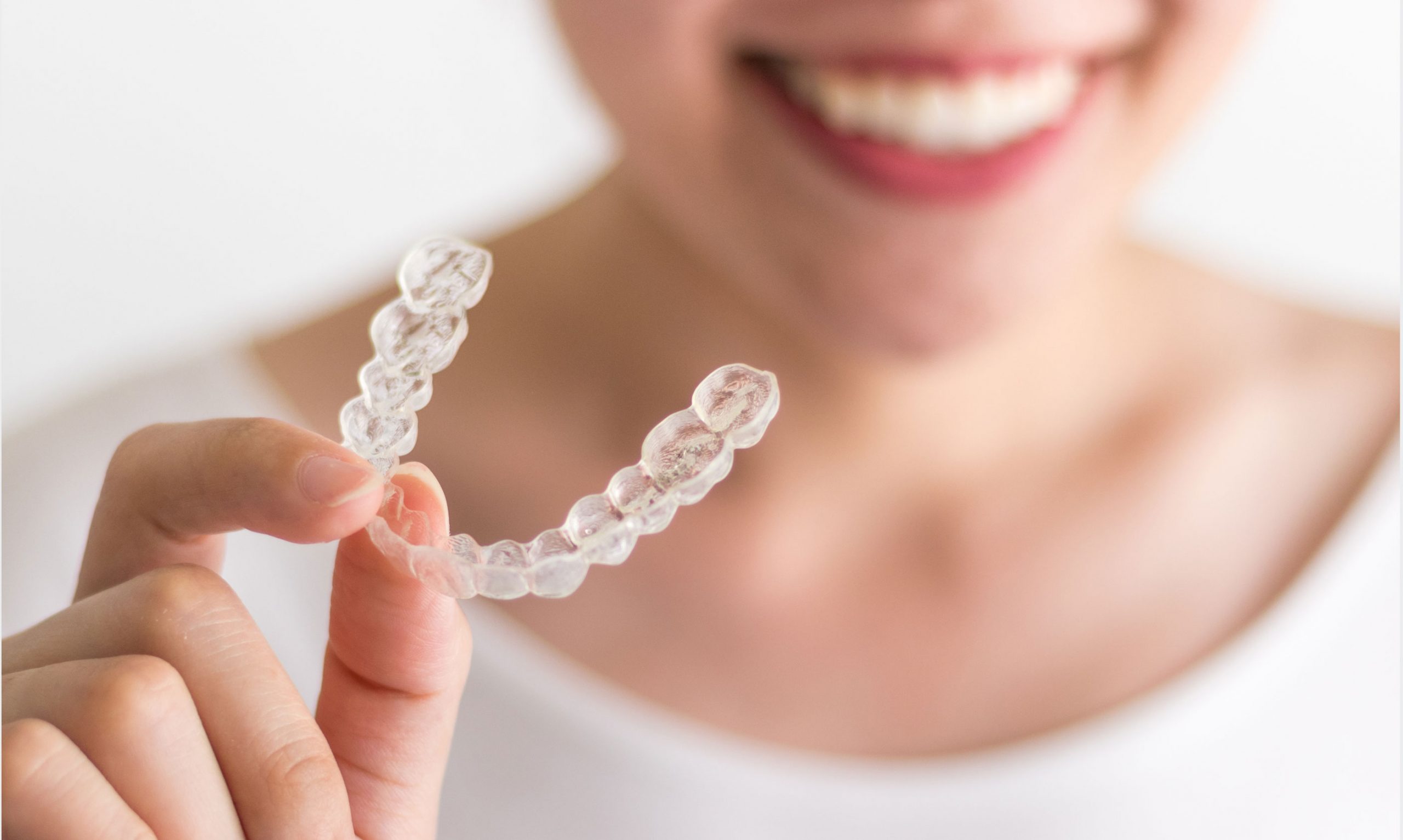
Invisalign clear aligners come as a set that fits on your teeth snugly. These will move your teeth into alignment slowly. Many patients find that this is a good alternative to metal braces.

It can be more comfortable for orthodontics. But you might be wondering how they are made. Keep reading to find out more.

How is each set of aligners created?

A 3D printing process is used to create the aligners. It was introduced in 1999 to the United States. To create a set, the dentist will create a custom treatment plan for the patient. First, the holistic dentist in Durango, CO will do a consultation with the patient. This will help the patient to determine if Invisalign is the right option.

Next, the dentist will gather detailed information on the patient, such as a health history. Then X-rays and photographs will be taken to look at the existing alignment issues. A 3D scan of the teeth will be created, and an impression will likely be done as well.

With the 3D scan, a computer program can be used to determine how the teeth can shift. The dentist will work with the people at the lab to create the right treatment plan.

A 3D printing process is used to create the whole set of aligners. This will then be sent to the dentist’s office in about three to four weeks.

Once the aligners arrive, the patient will receive a notification to set up an appointment. During this appointment, the dentist will give the patient instructions for wearing the aligners.

Care instructions will also be given. The staff will see that the aligner fits correctly and show the right way to remove them. This is important to avoid damaging them. For instance, it is important not to bend the aligners too much.

It is important to wear the aligners for the time that the dentist directs. This will be around two weeks for each of the aligners. With regular checkups, the dentist can see that the teeth are moving correctly.

This is a time to check if any extra refinements or adjustments are needed. At the end of the treatment, the patient will need to wear a retainer. This is even more important during the night.

Caring for Invisalign

Invisalign can be a faster option for some patients. For adults, the treatment time might be around 12 months. Results will start to be noticeable in just a few months. It is important to wear the aligner consistently to move the teeth enough.

It requires nearly constant pressure to properly move the teeth. The teeth need to be brushed before replacing the aligner after each meal or snack.

Factors to Consider Before Choosing All-on-4 Dentures

How Long Do All-on-4 Implants Last? Here's What You Need to Know
Factors to Consider Before Choosing All-on-4 Dentures

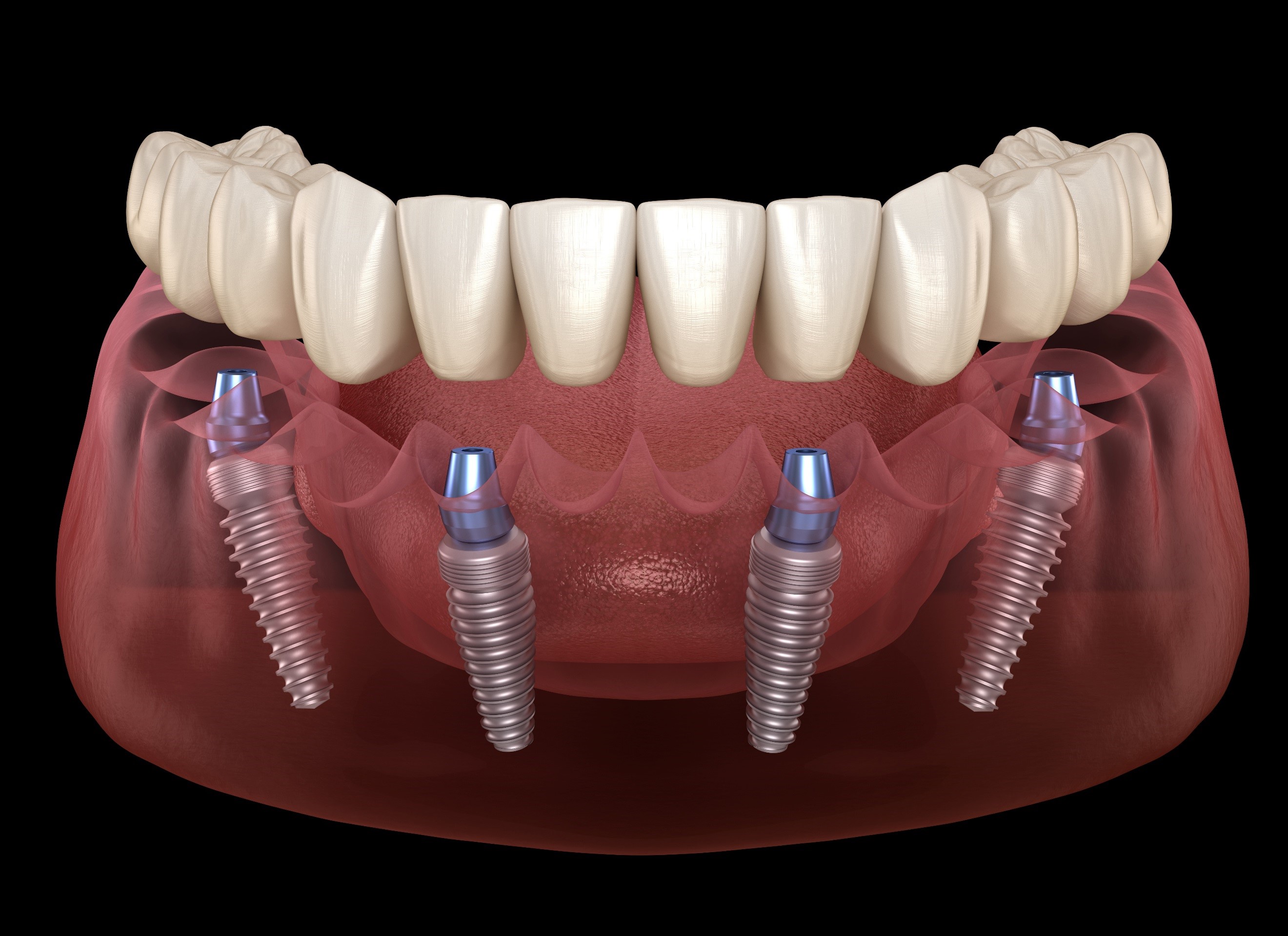
All-on-4 dentures are an immediately loaded restoration that is held in place by four dental implants. It is often recommended for patients with low bone density or when bone grafting would be difficult or impossible. All-on-4 dentures are reliable and allow patients to enjoy full dental functionality.

Before choosing All-on-4 dentures

Usually, the implant specialist will let the patient know what to expect with the implant supported dentures. Despite the many benefits of All-on-4 dentures, patients need to consider certain factors before choosing this dental restoration. 

The bulkiness of the denture

Some patients may find it hard adjusting to the feel of these dentures because of the bulky design. For those expecting to get replacement teeth, they might be surprised to feel the prosthetic gum tissue.

The dentists who conduct holistic dentistry in Durango, CO will show examples of the All-on-4 denture to help patients prepare for the look and feel of the denture after surgery. Concerned patients can consider alternative options.

Speech changes

Usually, with this denture, it is often important to alter the bone and soft tissues. For stability, the denture will likely be bulkier than the patient’s natural tissues. This may affect speech, but patients can overcome this challenge through tongue restraints.

It may be hard initially to clearly pronounce sounds produced when the tongue touches the hard palate, including N, D and T. It may also be somewhat hard to produce S sounds.

If the patient is worried about speech, it may cause anxiety, and they might need to consider less bulky alternatives.

Parafunction and proprioception

Parafunctional habits such as bruxism can affect a patient’s eligibility for All-on-4 dentures. This denture does not perceive forces well, compared to natural teeth.

Periodontal mechanoreceptors heighten the sensitivity of natural teeth to grinding forces, but dental implants do not have this feedback. Teeth grinding or clenching can damage dental restorations if unchecked.

The dentist will need to take measures to curb this habit before performing the implant restoration procedure.

One method is to restore the dental arch individually to allow the patient to develop mechanoreceptors in the facial muscles and joints. Another alternative is to use bar-retained overdentures.

In this case, the prosthesis can be removed at night and replaced with a nightguard to protect against the effects of bruxism. However, for many patients, the point of getting All-on-4 is to enjoy the benefits of a fixed denture, which means that a bar-supported overdenture may not seem appealing.

Point of note

Regardless of the limitations of All-on-4 dentures, these implant restorations have a remarkable potential to improve the quality of life for patients who have lost all their teeth.

Patients who are struggling with poorly fitting dentures, discomfort and eating problems can opt for All-on-4 as a reliable and affordable treatment option. They offer a predictable treatment outcome that is minimally invasive and beneficial for elderly patients who have other health concerns.

Quick Guide to Dental Implant Surgery and Restoration

Dental Implants - Dental Arts Studio of Cape Cod - Dr. Groom
Quick Guide to Dental Implant Surgery and Restoration

If you have lost one or more teeth, you can undergo dental implant surgery to get the teeth restored. Dental implants sit inside the jawbone to provide a sturdy foundation for a permanent tooth replacement.

The procedure is a major decision, and many people do not know what is involved. This article provides a quick guide on the dental implant surgery and restoration procedure.

Dental implant process

The following is a step-by-step guide of what is involved in a dental implant restoration procedure:

Evaluation and planning

Every dental implant procedure begins with a comprehensive medical evaluation. The implant specialist will take X-rays and CT scans to ascertain the current state of the oral cavity and develop a plan for treatment.

At this stage, patients will be able to ask questions, voice their concerns and preferences and work with the dentist to create the most suitable treatment plan.

Although dental implants have a high success rate, the patient must be in optimal condition. To reduce the risks of infection and implant failure, implants must be inserted in a healthy mouth.

If the patient has a dental condition such as gum disease or cavities, the dentist will provide necessary treatment before commencing the implant restoration procedure.

Extraction and bone grafting

If the damaged tooth is still in its socket, the dentist will have to remove it. This is often done under local anesthesia. In cases where the patient does not have enough bone density to hold the dental implants, the dentist may recommend bone graft surgery.

The procedure augments the volume of the bone to give the implant a good base for integration. Bone grafting is relatively simple, but patients might need a few months to recover before the jawbone can take the implant post.

Implant placement

Dental implant surgery is a simple procedure that requires high precision. The implant specialist will administer local anesthesia before commencing the surgery. An incision will be made on the gum and a small hole drilled into the jaw.

When the hole is big enough, the dentist will screw the implant in and secure it, then suture the gum. Depending on the dentist’s techniques or patient’s condition, a cover screw or healing cap may be placed immediately to protect the implant until the placement of the abutment.

The abutment connects the dental crown to the implant. The healing cap has the same shape as the abutment and helps guide gum healing. Sometimes, an immediate-load abutment and crown may be placed immediately. Otherwise, a temporary dental crown or a flipper may be used as a temporary cosmetic measure, particularly for a front tooth.

Abutment and crown placement

If the patient does not get an abutment and temporary crown during the dental implant surgery, they will be provided after the jaw heals. The timeframe depends on the patient’s situation.

The holistic dentist in Durango, CO will need to reopen the jaw to place the abutment. They will take impressions of the teeth for the new dental restoration. Creating permanent tooth restorations takes about two weeks. The restoration (crown, bridge or denture) will be placed in a single dental appointment.

How All-on-4 Implants Work to Prevent Jaw Deterioration

How Long Do All-on-4 Implants Last? Here's What You Need to Know
How All-on-4 Implants Work to Prevent Jaw Deterioration

All-on-4 dental implants are designed to offer a permanent replacement for lost teeth that has advantages over the more traditional denture or implant options.

While some tooth restorations may still allow the jawbone to deteriorate, implants can prevent this, but its important to get it done only by the professionals who perform skilled holistic dentistry in Durango, CO.

The benefits of All-on-4 implants

These implants are surgically affixed to the jaw and function like natural teeth. Instead of the six to eight implants typically used for each arch with standard fabricated teeth, the All-on-4 system only utilizes only four per arch.

Either or both the upper and lower set of teeth can be replaced. If it looks likely that both will eventually need replacement, it is helpful to take care of them at the same time.

All-on-4 implants are recommended for those who are missing most or all of their teeth and for those who are already using dentures. There are several advantages to this type of implant.

The advantages over dentures and traditional implants

Removable dentures can be a good restoration option for some, but there are inconveniences and issues associated with their use that All-on-4 implants do not have. Dentures require adhesives and a special cleaning process.

They also must be taken out regularly. Many people complain about discomfort and pain from their dentures because they press directly down on the gums.

This is not the case with permanent implants, which remain in place and can be brushed like natural teeth.

There are some concerns, however, with traditional implants. In addition to requiring more than four implants, people frequently require bone grafts to secure them in place.

This additional procedure increases the potential for post-surgical issues. Furthermore, it raises the costs and lengthens the time involved. For most people, a graft is not necessary to place All-on-4 implants.

The advantages for bone health

When these fabricated teeth are installed, they are placed at an angle that allows for a more natural bite. In addition, this leads to increased benefits for jawbone health due to the pressure applied to the teeth during the chewing.

Bones go through a constant process of shedding and regrowing. When an appropriate amount of pressure is exerted on the bone, new growth is thicker and stronger where that force is applied.

Thus, the All-on-4 implants not only allow for more natural chewing mechanics but also help to reduce jawbone deterioration through improved bone health.

Having a full set of teeth that improves chewing abilities and does not cause pain or discomfort allows for a more nutritious diet.

Since these implants do not impede a person’s ability to eat, they can consume a diet with the full array of vital nutrients. As such, people are able to obtain the vitamins and minerals needed to maintain healthy bones as well as an overall healthy body.

Conclusion

All-on-4 implants offer a permanent replacement for upper, lower, or both arches of teeth for those who need them. They have a natural look and an improved feel, while also reducing bone deterioration by encouraging the body’s mechanisms for maintaining bone health.

Root Canal Aftercare Tips

Root Canal Treatment | Dental Treatments | Mark Tangri Dental Excellence
Root Canal Aftercare Tips

Recent advancements in dentistry have made root canal treatment a lot more effective and pain-free. If you have been recommended for a root canal, the qualified holistic dentist in Durango, CO will give you guidelines for what to do after the procedure.

Some discomfort may occur that can last for a few days. It is important to follow the dentist’s instructions for aftercare to ensure a quick and proper recovery.

Root canal aftercare

Root canal treatment is usually necessary when severe decay or injury causes damage or infection to the pulp and root of a tooth, as a simple filling will not be enough to restore the tooth.

The procedure is routinely done to remove tooth pulp and nerve tissue, which will eliminate the infection. The following are some helpful aftercare tips to consider after a root canal:

Take recommended medications

If a root canal is due because of a tooth infection, the dentist will probably prescribe antibiotics after the treatment. Patients need to use this medication according to the prescription and without missing any dose. Over-the-counter pain relievers can help with any sensastion of pain or discomfort.

Avoid stressing the tooth

The tooth and surrounding tissues will still be numb for a few hours after the treatment. It is advisable to avoid eating or chewing until the anesthetic wears off to avoid biting the tongue or other soft tissues in the mouth.

It also helps to reduce the stress and discomfort on the affected tooth until the dentist places a permanent restoration on it.

Eat soft foods

Consuming hard or crunchy foods increases the risk of damaging the temporary filling or even breaking the tooth. It is better to stick to a diet of soft foods, such as apple sauce, ice cream and mashed potatoes. As an extra precaution, it is best to chew with the other side of your mouth.

Maintain good oral hygiene

Teeth and gums require adequate care. For some days after the treatment, extra care needs to be taken while brushing and flossing. It may be hard to floss around the affected tooth at first, but, with time, patients will adjust to the situation. The dentist can provide advice for how to brush and floss properly on a case by case basis.

Dental appointments are important

It is vital to remember that root canal treatment is only the first step in restoring a damaged or infected tooth. Patients need to visit the dentist for a follow-up appointment after the procedure to monitor the healing progress.

The dental professional might recommend covering the tooth with a dental crown to protect the tooth and restore normal dental function. For this procedure, they will need to prepare the tooth, take impressions and have a custom crown created.

Final note

The general dentist will take measures to ensure their patients never have to endure debilitating pain after root canal therapy. The side effects of treatment, including minor swelling or slight discomfort, may persist for a few days but will subside with adequate aftercare.

Why Do I Need a Temporary Dental Crown After Implant Surgery?

Dental Implant Procedure Explained Step by Step
Why Do I Need a Temporary Dental Crown After Implant Surgery?

A dental implant restoration procedure is a multi-stage treatment, ending with the placement of a dental crown. It is common practice to place a temporary crown first, pending the fabrication and placement of the permanent crown.

This article will help explain why a dental implant specialist would suggest a temporary crown after the implant surgery.

The implant surgery

During the first surgery, the dentist will drill a small hole into the area of the jawbone where the implant post will sit. They will proceed to cover the hole and allow the jawbone to heal around the implant before scheduling the second surgery.

During the second surgery, the dentist will fit the abutment to the head of the implant. The abutment is the connector that holds the dental crown to the implant. Once the crown is in place, the patient will have a prosthetic tooth that looks identical to the natural tooth.

During the initial dental implant consultation, the dentist will discuss the option of a temporary crown to use between the first and the second surgery.

Usually, if the dental restoration is for a back tooth, it may not be necessary to place a temporary crown since it will be barely noticeable. However, if the implant will be placed in one of the front-row teeth, the patient will probably want a temporary tooth to close the gap.

The dentist will provide various options for this, including a dental flipper, which is like a temporary denture with a false tooth. Another alternative is to get a retainer that covers the entire teeth and masks the gap.

The best way to decide is to consult with the dentist who carry out holistic dentistry in Durango, CO to know what would be the most ideal choice based on the patient’s condition.

The option most people choose is a temporary crown, which will stay on the implant. The dentist will provide specific instructions on diet and basic precautions until the permanent crown is in place.

Advantages of placing the temporary crown

  • Temporary crowns usually protect the implant post
  • It prevents shifting of the adjacent teeth while pending placement of the permanent crown
  • It helps preserve and shape the gum tissues
  • It offers cosmetic benefits for the smile
  • It ensures full dental functions

The dentist will fix the temporary crown into position using soft dental cement, which will keep it stable and ensure easy removal when it is time to place the permanent crown. The temporary crown is usually fabricated from plastic or stainless steel.

Some patients may experience slight discomfort with the temporary dental crown. The following are ways to maintain oral health and minimize complications while waiting for placement of the permanent crown:

  • Mild pain relievers can help with discomfort
  • Patients should brush and floss regularly, as they must take extra care when cleaning around the temporary crown
  • Clean the mouth with a warm saltwater rinse several times per day to alleviate discomfort
  • If the temporary crown comes loose or falls out, there is no need to worry, but it should be stored in a safe place until the patient can visit the dental office.

Final note

The most important function of the temporary dental crown is to protect the implant while it heals.

How is Sleep Apnea Diagnosed?

Are Obstructive Sleep Apnea and Depression Connected? - Mid City TMS

If you wake up feeling sleepy, it might be tempting to write it off as just another night, but if it becomes a regular problem, then it may be time to consider sleep apnea as a possible cause of this excessive tiredness.

This sleep disorder occurs when breathing starts and stops throughout the night. It is a potentially serious condition, and a doctor has to perform extensive testing to positively identify the problem. 

Determining a sleep apnea diagnosis

Sleep apnea testing is performed either at home or in a lab. The type of testing depends on the patient and the severity of the symptoms.

Testing at home

Patients can perform unattended sleep studies at home. This is accomplished with the use of a portable device that monitors the patient’s breathing and oxygen levels throughout the night.

Individuals will use the device for a few nights until enough data is collected. Medical professionals then formulate this data into a report that is reviewed with the patient to explain the diagnosis and discuss treatment options.

An at-home test is more convenient and usually not as expensive as testing in a lab, but it is limited and less precise. While it can detect the most common form, which is obstructive sleep apnea, some patients may need to go through more testing to determine an exact diagnosis. If this is the case, the doctor may suggest a lab test. 

Patients can prepare for at-home tests by avoiding naps and caffeine after lunchtime. Alcohol can also interfere with sleep and should not be used before the assessment. For accurate results, patients should try to sleep on their back or side.

Testing in a lab

If the at-home test is inconclusive, or the patient’s symptoms are severe, the doctor may suggest a lab test for sleep apnea. Lab tests are usually done at a sleep clinic where the patient will spend one or more nights.

During the appointment, the person is monitored with a variety of sensors. In addition to breathing and oxygen levels, sleep clinic personnel monitor the patient’s brain activity and body movements.

Being hooked up to an EKG while sleeping might seem stressful, but sleep clinics are aware of this and try to make patients comfortable. Participants are given private bedrooms and can bring amenities such as pajamas, toothbrushes, phones, clothes, and other personal items. Technicians communicate with the patient through an intercom.

Lab tests, also known as polysomnograms, can be highly informative and beneficial. To ensure the test goes smoothly, patients should avoid drinking alcohol or napping on the day of the appointment. Caffeine after lunchtime can also interfere with sleep. Patients should inform the doctor of any medications that may hinder the test results.

Conclusion

Sleep apnea can be a stressful condition for patients because it interrupts a good night’s rest. Fortunately, it can be diagnosed either at home or in a lab via sleep monitoring. Patients should consult with a doctor who prefer holistic dentistry in Durango, CO for an assessment and formation of a treatment plan.

Design a site like this with WordPress.com
Get started