3 Technology Advances in Orthodontics

3 Technology Advances in Orthodontics

Technology is always advancing, and orthodontics are no exception! And with all the advances, there’s never been a more exciting time to think about getting orthodontic treatment.

Advances in technology can mean shorter treatment times, less discomfort and knowing what to expect each step of the way until the final result.

Keep reading to learn more about 3 technology advances in orthodontics that may provide the treatment options you need!

1. Invisalign Aligners

Invisalign was, and still is, a groundbreaking technology that turned the braces industry on its head. Smooth plastic aligners that are clear and removable are an incredible innovation from traditional braces that used to be bulky and uncomfortable.

There have been a lot of advances to traditional braces as well, but Invisalign still carries the advantages of less visits to the orthodontist during treatment, removability for easy brushing and flossing, invisibility and overall comfort because of the smooth, plastic-only design.

2. Digital scans and 3D imaging

For some treatment options, orthodontists are able to digitally scan the mouth and jaw, rather than using a traditional mold that can be uncomfortable, messy and unpleasant tasting.

Technology advances in orthodontics have also provided orthodontists with the ability to digitally model and assess the teeth and jaw to map out exactly how to best treat your teeth and bite and bring them into alignment most efficiently and quickly.

3. Smaller, more comfortable braces

In past decades, braces could feel incredibly bulky and be tough on the gums and lips because of surfaces and wires that were not completely smooth.

In recent years, though, this has improved a lot, with slimmer profiles, and smoother surfaces to cause less irritation and discomfort.

The need for bulky devices like headgear are also uncommon now with technology advances in orthodontics like temporary implants.

Every advance in orthodontics means an easier and better experience for the patient. There has never been a better time to talk to the best dentist in Durango, CO to find out more about the recent technology advances in orthodontics and how they can make your experience quicker, more comfortable and with the ease of knowing what to expect at the final result.


What Causes Cavities?

What Causes Cavities?

Cavities happen when the hard surface of your teeth, called enamel, becomes permanently damaged and creates a hole.

The good news is, there are things you can to help protect your teeth and prevent cavities from forming. In this article we will discuss the best ways to avoid what causes cavities.

What Causes Cavities?

A number of things can contribute to the forming of cavities which are also commonly referred to as tooth decay.

Tooth decay is caused by bacteria in your mouth, this can be encouraged by snacking often and eating or drinking sugary or acidic foods, without using proper dental hygiene.

It can also be prevented by taking care to enjoy treats in moderation. Answering the question of what causes cavities can be wide ranging, but there are also many things you can do to protect your teeth.

What Can You Do?

Choosing healthier food and drink options can go a long way towards preventing cavities. Sugary drinks and foods are often the most commonly thought of culprit but acidic foods can also be what causes cavities and erosion of the enamel.

Ask the professional dentists in Durango, CO for recommendations on how to know which foods to avoid as well as healthier options that fit your taste and lifestyle.

It’s also important to be careful of the habit of snacking often throughout the day. Brushing is recommended after each meal, or three times a day, but this becomes difficult when eating many times throughout the day. Eating more during meals and less in between can help keep your teeth cleaner and cavity free.

Along with brushing, flossing and mouthwash are also important and helpful to keep your teeth clean and prevent plaque buildup can cause cavities. Your dentist can recommend the tools and products that are right for you.

Talk With Your Dentist

A dental professional can also help you figure out what causes cavities for you and changes you can make to better care for your teeth keep your smile healthy, strong and bright.

Teeth Grinding and Braces

Teeth Grinding and Braces

Teeth Grinding, or Bruxism as it is also called, can be a frustrating habit that can cause damage to your beautiful smile. While your braces work hard to align your teeth, bruxism can work against that goal. So how do teeth grinding and braces interact?

What Are the Causes of Bruxism?

While there are many contributing causes to teeth grinding, they can be distilled into a few categories. Firstly, some may be related to stress or anxiety. Others can be attributed to bite issues and jaw or teeth misalignment. Other contributing factors can include things like TMJ.

Do Braces Help with Bruxism?

Since one probable cause of bruxism may be misalignment of teeth and jaw, teeth grinding and braces can impact one another. Braces may help fix any misalignment that is contributing to teeth grinding.

If this is a concern, talk to your orthodontist about how braces and teeth grinding may impact one another, and they may be able to help you make a plan to treat it appropriately, reducing further risk to your beautiful smile.

What if I have Bruxism While I Have Braces?

If you still exhibit teeth grinding and braces are already in the treatment process, let your orthodontist know. It is possible to treat bruxism while you have braces on. Also, teeth grinding can undo some of the hard work your braces have done to align your beautiful smile.

Treating teeth grinding sooner than later may be in your best interest, and could help maintain a beautiful smile.

Talk to the best dentists in Durango, CO about the frequency of teeth grinding, and surrounding factors such as stress, sleep habits, caffeine intake or other contributing factors that may help your orthodontist pinpoint what may be the cause.

7 Reasons to Choose Invisalign

7 Reasons To Choose Invisalign
7 Reasons to Choose Invisalign

To choose invisalign or not is a big decision, and an important one to discuss with the well-known dentists in Durango, CO.

If you’re wondering if Invisalign is right for you, here are 7 reasons that may help along the conversation with the dental professionals in your life, and help you determine why it is worth considering.

1. A Good Solution for Many Orthodontic Problems

Invisalign can resolve a lot of bite and cosmetic treatment needs quickly and simply. While there are times when traditional braces may be more appropriate, Invisalign does have excellent outcomes for many different needs.

2. May Be Shorter Treatment Time

Invisalign can mean a shorter treatment period than traditional braces, and for this reason alone, some people would prefer to choose invisalign. Getting teeth straightened is well worth any time put into the effort, but if the treatment time can be shorter, why not?

3. More Control Over Outcome

This is both a benefit and a drawback. How long you wear your invisalign can help keep your teeth on target or delay the treatment outcome, if you aren’t wearing them long enough often enough.

This is a good thing for adults who want to be able to take their aligners out for meals and dental care. But this may be a drawback for kids and teens who will not keep aligners in for long periods of time.

4. Dental Hygiene Concerns

Another reason to choose invisalign, dental Hygiene is more likely what you were used to before invisalign aligners. Just take your aligner out and brush and floss as usual. The same applies to dental cleanings or cavity fillings.

Don’t let this fool you though, into being any less diligent with dental hygiene. While aligners make it easier, they do encase the teeth, which in itself is an increased risk for tooth decay. Diligent dental hygiene is more important than ever with Invisalign

5. Cost Effective

Generally more cost effective than traditional braces, Invisalign may be a bit lighter on the wallet, if your orthodontist finds you are a good candidate for such a treatment.

6. Aesthetically Pleasing

Clear, subtle, discreet, invisalign is more aesthetically pleasing, and can be harder to notice in social situations. This can be a plus depending on your day to day life.

7. You Can Eat Anything You Like

No dietary restrictions on popcorn or gum. You can enjoy these treats as long as you brush well afterward!

How do Braces Affect Gum Health?

How do Braces Affect Gum Health?

Getting braces can be an exciting new adventure, and the beginning of a journey to a more beautiful smile! But what about oral health? Gum disease? Exactly how do braces affect gum health? And what can you do to ensure that your quest for that bright smile doesn’t end with a costly visit to the dentist?

Braces Are Hard to Clean

Braces can be a difficult new world of tooth brushing, flossing, and cleaning your mouth. The metal brackets, rubber bands and wires can be daunting, and your mouth may even be initially sensitive to any adjustments.

Don’t be too nervous to ask your Orthodontist how braces affect gum health, and what that means for your dental hygiene routine.

Your Orthodontist may be able to give you an idea of the many ways you can make the most of your dental hygiene routine while wearing braces.

The Three Most Important Habits

Brushing: Don’t underestimate the power of the mighty toothbrush! Replace this little plastic tool once every 3 months, and you’ll be able to keep those chompers clean! Do try to have a smaller head so it is easy to fit into those tight spaces in your mouth.

Flossing: This is especially important in the quest to ward off the cavities. Tight places between teeth and brackets can be hard to reach, but they are worth the extra time and effort to avoid any tooth decay surprises when the braces come off!

Rinsing: Use a mouthwash with fluoride to help strengthen and protect your teeth against decay.

Braces affect gum health in many ways, but it doesn’t have to be in harmful ways if you step up your dental hygiene game. Braces can even have a good impact over your oral health altogether if you learn how to do your best at diligently keeping after dental hygiene.

Don’t Be Afraid to Ask

Always discuss with the best dentist in Durango, CO what you think your straighter smile journey will look like. The more communication you can have with your doctor, the more you can carefully plan ahead and consider the many ways braces affect gum health.

Your Orthodontist will know your case, and may be able to address your unique concerns and needs, which may in turn, help you keep your mouth cleaner and your teeth healthier!

Teeth Grinding and Bruxism

Teeth Grinding (Bruxism) - Lancaster Dental Texas
Teeth Grinding and Bruxism

Is Teeth Grinding Bruxism?

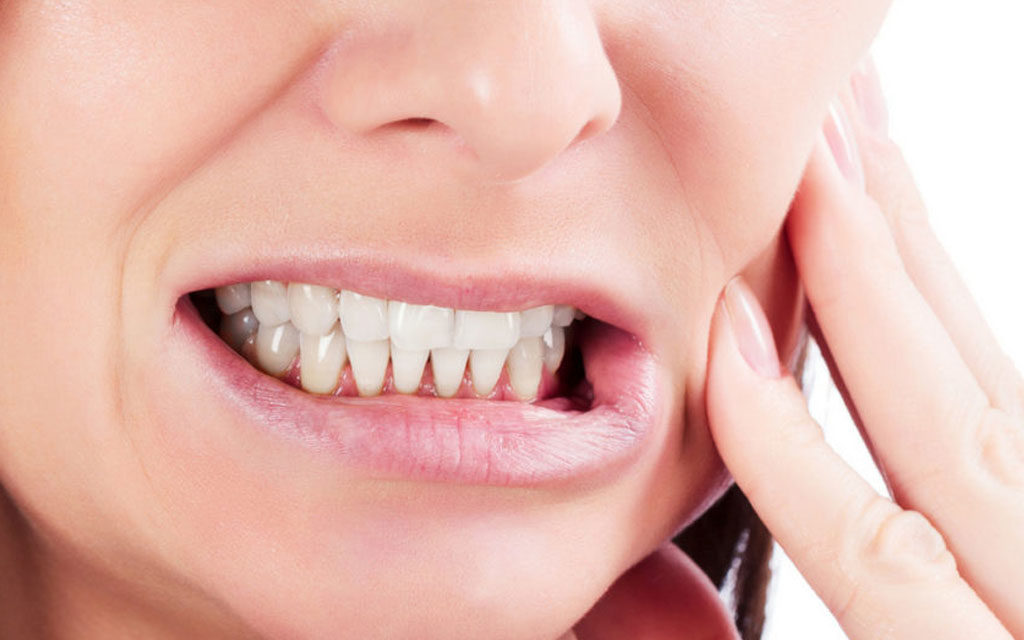
Bruxism is the medical term for teeth grinding and/or clenching of the teeth. Over time, bruxism can wear down tooth enamel, which can make teeth sensitive to food, drink, and teeth brushing.

In addition, bruxism can lead to TMJ problems, jaw muscle pain, chipping of teeth, and damage of restorative dental work. People who grind their teeth often do so at nighttime and are usually not aware that they are grinding their teeth.

Most of the time, your dentist will notice signs of bruxism during your routine dental exam. 

If you or someone you know grinds their teeth, read on to learn the causes and symptoms of bruxism, and how to prevent it. 

Teeth Grinding Causes

The main causes of teeth grinding are stress and anxiety. If you are stressed or anxious during the day, you are more likely to experience the effects of the stress at night too, which can cause jaw clenching and teeth grinding during sleep.

However, teeth grinding can also be attributed to undiagnosed sleep apnea (a condition in which your breathing is paused or irregular while sleeping). Whether a night guard is necessary for your sleep apnea depends on the severity of your condition.

For patients with undiagnosed sleep apnea, wearing a night guard without doing a proper sleep study may not be advisable because it can make your condition worse.

So, consulting with your physician is also important; your physician may recommend a sleep study to help diagnose and determine the best course of action for treating sleep apnea. I recommend consulting with your dentist to see if a night guard is right for you.

Teeth Grinding Signs and Symptoms

Here are some common symptoms caused by teeth grinding:

  • A grinding sound at nighttime, which can sometimes be detected by a partner
  • A headache upon waking
  • Pain or tightness with jaw muscles
  • Teeth that are worn down, appear flattened, or are chipped
  • The breaking down of restorative dental work such as crowns or fillings

How to Prevent Teeth Grinding Damage

The best way to prevent damage to teeth from bruxism is the use of a professionally-made custom mouth guard.

A mouth guard can help protect your teeth from grinding at night and will keep your enamel healthy for longer—not to mention, you may have fewer headaches when you wake up in the morning, since the friction will be reduced!

Talk to the best holistic dentist in Durango, CO if you or a family member is known to grind their teeth or clench their jaw, and consult with them to see if a night guard is right for you. 

How does toothpaste really clean your teeth?

Cleaning With Toothpaste! - Clean My Space
How does toothpaste really clean your teeth?

It’s something each of us do every morning and night—brush our teeth.
 
But what is it that actually gets our teeth clean? Is toothpaste just a magical, minty gel that keeps us cavity free?
 
Well, kind of. But there’s a bit more to it than that.
 
Let’s take a look at some of the ingredients in most toothpastes and what they actually do to keep our teeth clean.
 
1. Fluoride: Most toothpastes on the market today have some amount of fluoride in them. Fluoride helps to prevent tooth decay and makes our enamel more resistant to acids caused by bacteria.
 
2. Detergents: These ingredients help to create the ‘foam’ you may be familiar with as you brush your teeth. Foam helps to loosen up debris that may be lodged in your teeth, and also feels nice in your mouth. The most common detergent is sodium lauryl sulphate.
 
3. Abrasives: These ingredients exist to help scrub away stains as well as plaque, however, they should always be gentle enough to do so without damaging your teeth and gums. If you look at your toothpaste tube, you might find calcium carbonate and silica listed—these are abrasives.
 
4. Thickeners: Ever wonder why some toothpastes are so plump and stay on your toothbrush easily after squeezing? That’s because of thickeners. Thickeners like cellulose gum add texture to the paste.
 
Of course, using toothpaste isn’t the only thing you should do to keep your teeth and mouth healthy. What else is great for your teeth? Maintaining your regularly scheduled dental visits with professional holistic dentist in Durango, CO is also important.

6 Ways to Teach Kids Good Oral Hygiene

How to Make Brushing Teeth Fun - Tips and Strategies | The Super Dentists
6 Ways to Teach Kids Good Oral Hygiene

Teaching your children good dental hygiene and oral care from a young age is important to help prevent tooth decay. Tooth decay in children is on the rise, with over 30 per cent of children aged 5-6 already experiencing decay in their primary teeth.

A national report card released by the Well-known Dental Association went on to find just under 25% of children aged 6-14 have tooth decay in their permanent teeth and that 10% were living untreated.

Now, we all know how good kids are at dodging the essential things that keep them in good health — eating their veggies, going to bed early and dental hygiene — which can be a challenge for most parents.

Good oral hygiene is so important for children to help prevent future dental issues, such as cavities, infection, pain and overcrowding due to tooth loss. To help you establish good oral hygiene and care with your child, you’re going to need a great dental routine.

Here’s 6 simple ways to make dental hygiene fun for your kids:

  1. Lead by example

Good dental hygiene and oral habits start from you. If they see you religiously brushing and flossing each day, it’ll make them want to follow suit. Make sure they watch you brush and floss your teeth and make it look like you’re having a great time. Kids love to mimic everything you do, and if successful, you’ll soon see them pretend-brushing in no time at all!

  1. Take your kids to your dental check-ups

Show your kids that you too, have to attend regular dental check-ups and practice good oral care. It demonstrates to your kids that this is all a part of everyday normal life.

This gives them a chance to be introduced to the professional dentists who perform holistic dentistry in Durango, CO and get familiar with the environment, so next time it isn’t as strange or foreign.

A good dentist will make your kids laugh and keep them entertained, making the whole experience a fun and welcoming one.

  1. Find a fun toothbrush song

Thanks to the internet, there’s a song and a dance for everything, I’m sure we’ve all heard of Baby Shark! These days, you can jump onto Google, search up ‘toothbrush song and dance’ and you’ll find a whole heap of sing alongs to use with your child.

There may even be dancing videos on Youtube you can mimic or watch together if you don’t feel like making up your own moves. This helps turn dental care into a fun and positive experience.

  1. Make a game of it

One of the easiest ways to teach your child how to brush their teeth is by making a game of it. Whether it’s assisting them to brush their doll or stuffed animal’s teeth while you brush theirs or letting them brush yours until each tooth has been successfully cleaned.

The more fun they are having brushing teeth, the more positive the experience, the more they will look forward to it.

  1. Offer a reward

It’s okay to offer them a small reward for looking after their teeth well. I would suggest staying away from sugary treats, but rather offering a fancy sticker, or a bedtime story, or play some sort of mini-game like a treasure hunt.

You know what your kids like better than anyone, so use this opportunity to leverage the power of what they love when it comes to dental-care time.

  1. Find an amazing family-friendly dentist

Who remembers what it was like going to a non-friendly dentist as a child? It was a nightmare. Find a child-friendly dentist with friendly, welcoming staff who can work well with children of all ages.

The environment should have a welcoming vibe with toys, a well-lit studio, playful character posters or mascots, and a dentist who has the ability to entertain and engage with your kids at their level.

Importance of Dental Hygiene and Oral Health

Warnings of Millions of Missed Dental Appointments | CK Dental
Importance of Dental Hygiene and Oral Health

Dental or oral hygiene is referred to as the practice of keeping your mouth clean and bacteria free. According to the holistic dentists in Durango, CO, oral health is one of the most overlooked aspects of health management that increases the prevalence of various health concerns.

Thus, it is important to provide proper care to your mouth, teeth and gums in order to keep up with a hygienic day-to-day lifestyle.

Medical researchers believe that a person’s mouth can reflect about his/her overall health and may indicate early signs of infections or diseases, even before prominent symptoms start to appear.

A report also suggests that poor dental health may be related to several adverse medical conditions such as cardiovascular diseases, diabetes, strokes, and dementia.

Some of the major benefits associated with maintaining good oral and dental health include:

Prevents medical and health conditions

According to various medical experts, gum diseases and heart diseases have a strong correlation. Gum diseases can increase the risk of serious health concerns including heart attacks, strokes, uncontrolled diabetes, and preterm labor.

It is claimed that bacteria from the mouth can travel in the bloodstream to set up inflammation in the blood vessels. Thus, it is important to practice a good dental hygiene, as a healthy mouth plays a vital role in warding off many medical disorders.

Saliva test

Saliva acts as the primary defense which protects the mouth against the disease causing bacteria and viruses. It contains antibodies that can fight against common cold. Many dentists conduct saliva test for detecting various health problems. Some of the benefits of saliva test include:

  • It measures illegal drugs, environment toxins and hormones
  • It can indicate hepatitis or HIV infection
  • It can determine cortisol levels to test stress response in newborns
  • It can detect certain cancer markers

Protecting oral health

Some of the best ways to improve dental hygiene and oral health include:

  • Brushing teeth at least twice a day with fluoride toothpaste manufactured by the top pharma companies
  • Consuming a healthy diet and limiting sugar consumption
  • Avoiding tobacco and smoking
  • Using floss and replacing toothbrush in every 3 to 4 months
  • Scheduling regular dental checkups and cleanings

According to medical experts, oral health care should be considered as an investment in your overall health. It is not only important for living a positive and healthy life, but also empowers a person with peace of mind and boosts his/her self-confidence.

Missing Teeth and Hidden Risks: What You Need to Know

Dental Implants Are Best Repair For Missing Front Teeth | Ban R Barbat |  Township, Michigan
Missing Teeth and Hidden Risks: What You Need to Know

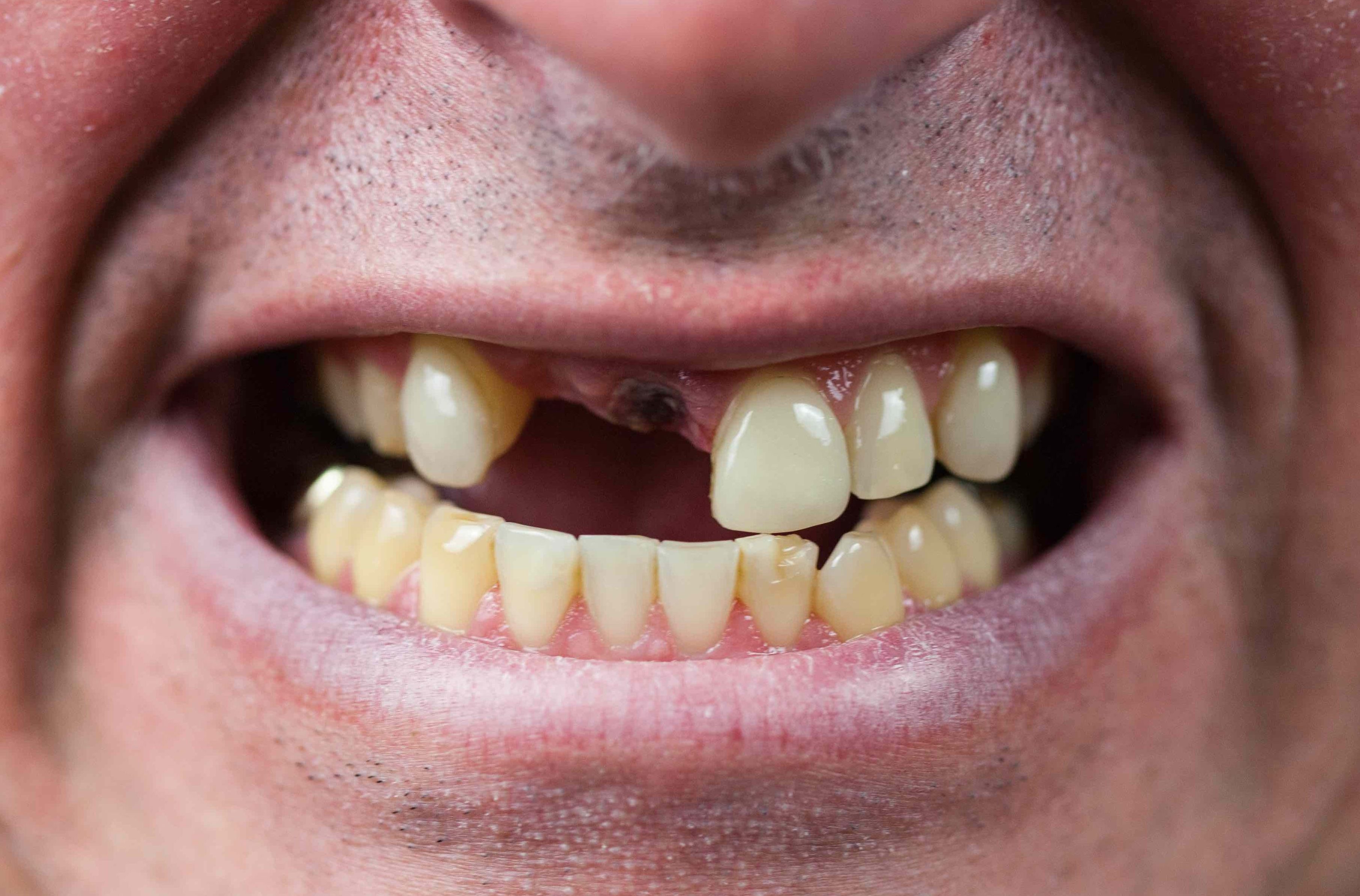
Missing tooth or teeth cost you much more than just your appearance. They are much more than only a cosmetic problem. Whether you are missing a single tooth or several teeth, it is bound to increase your risks of long-term oral health issues, and that’s why it is suggested to schedule a regular appointment with the professionals who follow holistic dentistry in Durango, CO.

Let’s look at the types of hidden health risks associated with tooth loss:

  • The remaining teeth surrounding the missing tooth or teeth gradually start shifting into the spaces left open. Such changes often need to be rectified by orthodontic treatments which may be more expensive and time-consuming as compared to the teeth restoring dental procedures.
  • Unnatural shifting of teeth as mentioned above can also cause additional bite problems and even in some cases severe pain in the Temporomandibular Joint or TMJ.
  • The vacant spaces created due to missing teeth increase the risk of gum diseases. Food particles easily accumulate in these areas, and the site soon becomes a breeding ground for harmful bacteria which may lead to plaque and tartar development. If left untreated for long, this can eventually result in serious gum diseases.
  • The ability to chew and speak can be severely impaired if you are missing several teeth. If this isn’t treated immediately, it can cause further health complications. For instance, if the food is not chewed properly, it will not enter your system as it usually should. As a result of which the digestion can suffer. The inability to eat raw fruits and vegetables can devoid your body of essential nutrition which may result in poor general health.
  • Tooth loss is inevitably followed by loss of jaw bone. The gradual deterioration of jaw bones affects the facial structure as it is instrumental in determining how the face ‘drapes’ over this bone. This results in what is commonly known as a sagging face which gives an older appearance. This may lead to lower self-esteem and decreased confidence, especially in public settings.

So, what are the options to replace missing teeth? Dental implants are one of the most commonly preferred options when it comes to addressing the problem of missing teeth. Here’s why:

  • Dental implants help prevent bone loss as they are made of titanium – a material which has a unique ability to fuse with the living bone. Hence, it eventually becomes a permanent part of the jaw bone. The implants stabilize and stimulate the bone to help maintain its density and volume.
  • They feel and function in a way similar to the natural teeth.
  • Dental implant surgery has a much higher rate of success as compared to other tooth replacement dental procedures.
  • Depending on the oral care, patient’s bone health, experience of the oral surgeon who performs the dental implant surgery, etc., dental implants can last for a lifetime.

Besides dental implants, bridges and dentures are also used for tooth replacement. These options, however, involve some amount of risk as they may cause damage to the adjacent teeth or the anatomical structures on which they rest.

For instance, fixed dental bridges depend for support on two adjacent teeth which must be filed down and capped. This can make the filed teeth prone to decay, cavities or even root canal issues.

In case of removable partial dentures, anchorage onto existing teeth is required. This may loosen the existing teeth over a period of time. Whereas, full dentures might put pressure on the bony ridges that support the teeth. This increases the chances of accelerated bone loss.

Both these options may be less expensive as compared to dental implant surgery. However, dental implants are an investment worth making, given its long-term and more beneficial results.

Design a site like this with WordPress.com
Get started