Everyone knows to some extent how crucial food consumption habits are when it comes to maintaining your oral health. However, are you entirely aware of how different food items affect your teeth? Look no further, I have compiled a list of the top 10 bad foods for your teeth!
Alcoholic Beverages
Alcoholic drinks on a habitual basis naturally decrease saliva production in the mouth, resulting in a dry mouth. This isn’t good as saliva is vital to protecting our teeth from acidic content. It also plays a key role in washing away food particles after meals. With low saliva production, you are deprived of this important function, making your teeth vulnerable to infections.
Tea and Coffee
Tea and coffee are among the biggest culprits when it comes to harming your teeth. Their consumption leads to extensive discoloration into brown and yellow stains. Additionally, if more sugar is added, they further pose threat to teeth enamel and cause bacteria to grow, paving the way for other oral diseases.
Sticky Candies
Candy tends to stay longer in your mouth before it can dissolve, even after proper chewing, it may last for as long as 10 minutes in your mouth, which gives ample time for the sugar to absorb into your teeth and gums.
There’s no surprise this makes it on the list for bad foods for your teeth, but to make things worse, if candy particles stuck between your teeth are not removed using floss or a toothbrush, they are most likely to develop cavities.
Oranges and Lemons
Food items rich in citric acid are the primary drivers of tooth decay and enamel erosion. If you’re obsessed with orange or lemon juice, try not to expose your teeth to strong acids extensively. Drink them relatively quickly and then avoid consuming such drinks without water in between.
Dry Fruits
Though high in energy and delicious, dry fruits are practically made to get stuck in the tiny spaces between your teeth. If you eat dry fruit on a regular basis, chances are that a lot of particles are getting stuck in your teeth. Flossing is an ideal solution.
Tomatoes
It always comes as a surprise that tomatoes are on the list for bad foods for your teeth, but tomatoes endanger your teeth because of being acidic. They are most detrimental when eaten raw or in the form of sauce. Include them as ingredients of your dishes, but avoid consuming extensive ketchup or in raw form without rinsing your mouth.
Potato Chips
Unless you rinse your mouth or floss thoroughly, potato chips’ mushy texture and starch content will remain trapped between your teeth for hours, causing harm to both your teeth and gums.
White Bread
When you consume white bread, its starch content is broken down into sugar in your saliva. This transforms the bread into a sticky substance that adheres to your teeth and gums which may cause infections.
Popcorn
Popcorn particles get stuck in your teeth and generate massive amount of bacteria. Those crunchy kernels at the bottom of the container can also contain sharp hulls which can crack your teeth or result in gum cuts.
Pickles
Pickles are the worst nightmare for a tooth. Mixing vinegar and veggies sounds tasty but the presence of strong acidic vinegar poses serious risk to your teeth. In the absence of proper oral hygiene, enamel erosion is inevitable.
These ten foods aren’t the only bad foods for your teeth, remember these guidelines in general as you choose what to eat, and how to maintain your oral hygiene in your daily life. If you have any questions about diet and your teeth, ask your local holistic dentists in Durango, CO what their suggestions are.
Nutrition plays a significant role in oral health. By eating right, you are taking care of your teeth, gums, and mouth as a whole. Plus, by eating at the proper times, you can have a positive impact on your oral health too.
Here is some information on how eating right can support your oral health.
Sugar Leads to Tooth Decay
Any food or beverage that contains sugar promotes tooth decay. That is why many dentists tell patients to avoid candies, sugary sodas, and similar items, as they are essentially designed to hurt the health of your teeth and gums.
But, this means that even healthy options, like fruits and many vegetables, can harm your oral health. However, you can partially counteract this by opting for foods and beverages that are low in sugar, drinking water after consuming foods or other drinks, and chewing sugarless gum.
Plus, regular brushing can help keep the sugar from sticking around on your teeth and in your mouth, limiting your chances of tooth decay.
Snacking Isn’t Ideal for Oral Health
Whenever you eat, you are giving food particles a chance to get stuck between teeth. By limiting the number of snacks you consume during the day, you limit your exposure to foods that can harm your teeth and gums.
Plus, saliva production is generally reduced when you snack when compared to how much you have during an actual meal, so it isn’t as effective at washing away food particles.
Often, this is because the eating period is so much shorter, so your body doesn’t have a chance to ramp up saliva production.
If you must snack, select healthy foods with low amounts of sugar. Additionally, once you are finished, drink plenty of water, allowing you to rinse away food particles or chew sugarless gum, giving you an opportunity to increase saliva production.
Foods Can Help Your Teeth
Proper nutrition is essential if you want to keep your teeth, gums, and mouth healthy. The human body requires a variety of vitamins and minerals to maintain good oral health, and eating a balanced diet can help make sure you get everything you need.
Often, this means consuming whole grains, vegetables, fruits, and lean sources of protein.
Nutrition plays a big role in oral health, so be mindful when selecting foods and drinks. If you aren’t sure whether you are making wise choices, talk with your holistic dentist in Durango, CO. They will be happy to give you tips.
Women commonly go through oral health problems during pregnancy. Since poor oral health can lead to lifelong impact, pregnancy is a particularly important time to access oral health care.
Gingivitis (bleeding gums), tooth decay and periodontal disease (Breakdown of the attachment of the tooth to the bone) are the common oral health problems experienced in about 30% women of reproductive age.
Advantages of improving the oral health care of the pregnant women includes:
Complications of dental diseases during pregnancy can be prevented
Has a potential to decrease early childhood caries
Reduces the risks of preterm and low birth weight deliveries
What is the effect of pregnancy on oral health?
Dental problems like erosion, caries, loose teeth, epulis, periodontal infection, ill-fitting crowns, bridges and prostheses are particularly significant in pregnancy
Due to repeated acid attacks on the tooth enamel during pregnancy, tooth decay is common
Tooth decay might also result during pregnancy due to change in the diet and oral hygiene
Extensive erosion might result due to nausea or vomiting during pregnancy
Complications of dislodged teeth or prostheses might result at the time of labor & delivery
Because the bacteria which cause periodontal disease release inflammatory mediators, the condition leads to the birth of preterm and low birth weight babies
What are the prenatal oral care recommended for pregnant women?
Limit foods containing sugar.
Eating Small amounts of nutritious food throughout the day are recommended.
To neutralize the acid which affects the teeth enamel, rinsing with small amount of baking soda and water are suggested.
Brush teeth twice a day with a fluoride toothpaste.
To meet the recommended daily fruit intake, fruit has to be preferred rather than a fruit juice.
A first-trimester diagnosis for dental problems including taking dental x-rays are recommended to diagnose processes of certain dental diseases which require immediate treatment.
The time period between 14th and 20th week of pregnancy is considered safe for any of the oral health treatments.
Oral Health and Other Health Issues, Is there a Connection?
Oral health can no longer be separated from overall health. Unless you are free of dental disease, particularly gum disease – and the other oral health issues that harm overall health – you can never be truly healthy.
Gum Disease
Gum disease can increase the risk and severity of many more serious health problems, including heart disease. Thus, you must be clear about this; the effect of dental disease on overall health is far more serious than its relationship to teeth and gums. In fact, moderate to severe gum disease can;
Severely stress the immune system
Lower resistance to other infections
Increase the severity of diabetes
Contribute to respiratory disease
Contribute to low preterm birth weights
Interfere with proper digestion
Actually reduce life expectancy
If gum disease is not acknowledged as an obstacle to achieving overall health, any efforts to treat other existing diseases, improve health, and extend life will not be effective and will fall short of desired goals.
Every person who cares about his or her health and every dentist who wants to successfully treat patients must understand this important relationship. The reality is that ‘you cannot be healthy without healthy gums and teeth!’
Other Oral Health Issues that can Harm Overall Health
Along with amalgam fillings and gum disease, there are other oral health issues that can negatively affect systemic health, including:
Infected root canals
Jawbone infections
Non-biocompatible dental materials
The impact of these oral health issues on overall health is determined by the seriousness and duration of each, and how many are present in an individual.
The fact is that is that a large percentage of the population is affected by some, or all of the above oral health problems. For example, an individual could have periodontal disease (the most serious form of gum disease), suffer from chronic mercury poisoning, have an infection from a failed root canal, a jawbone infection, and allergic reaction to dental materials – all present at the same time.
Of course, many variables exist, as someone can have advanced gum disease and only have a few amalgam fillings. In that scenario, the effects of gum disease on overall health would be much greater than the effects of mercury. I’m sure you can imagine all of the possibilities that exist – none of them good.
But what is important to consider here is that if you are dealing with any, some, or all of the oral health issues that can damage overall health you should let your dentist know about them as he or she may be looking for other causes of your health problems than those related to these oral health issues.
That can be frustrating for both you and your dentist. Although there is no way of knowing exactly how much these oral health issues are contributing to your medical problems but that isn’t the point – as there is no doubt they are contributing to them to some degree.
If you want to do all you can to improve your oral and overall health it means that you will have to take the necessary steps to work with the expert holistic dentists in Durango, CO to eliminate these oral health problems and repair the damage done by them.
The most common methods of treating lost teeth are dental bridges and dentures, which can help to a certain extent, but both methods also have considerable disadvantages.
Bridge
A bridge needs two firm supports. To build them, two healthy and fully functional teeth, that are irreversibly damaged by grinding and can no longer fulfil their original function, must be used.
Total tooth replacement
Over time, a denture will fit less and less well. In some patients, the reason for this is the progressive loss of the jawbone tissue under the denture, while others may experience hypertrophy of the oral mucosa under the denture.
The wearer of a loose denture is unable to chew food properly, which can subsequently cause severe disorders of the digestive tract. In addition, the denture may also inhibit the patient from enjoying a full social life.
How do implants work?
An implant is an artificial replacement of the tooth root, inserted in the jawbone, to replace the missing root of the original tooth. Together with the abutment, it creates a base for attaching the crown. The implant is made of titanium, which is not rejected by bone tissue. On the contrary, it creates a direct and tight bond with it.
Single tooth restoration
The implant has the full functionality of the original tooth and no one can see the difference.
Multiple tooth restoration
One option is an implant-supported bridge. It is not necessary to prepare the healthy neighboring teeth and the implants also prevent bone loss and deformation of the face.
Full-arch restoration
Implants can also be used as a solution for the loss of all teeth. Thanks to the perfect healing of the implants into the jawbone, there is no need to worry about the teeth staying in place.
What is the treatment process like?
First, the implant, in the shape of a small screw, is inserted into the jaw in place of the removed tooth. As soon as the implant has healed over the following weeks, the abutment is fixed onto the implant. (The abutment protrudes from the gum.)
An artificial ceramic tooth, indistinguishable from the original one and with a strong bite, is then fixed onto the abutment.
Is the treatment painful?
Absolutely not. Implant insertion is a regular procedure. It is performed in the dentist’s surgery under local anesthetic. The insertion of one implant takes approximately fifteen minutes.
Are implants suitable for me?
They help fill both smaller and larger gaps, and they can also be used in a completely toothless jaw. The specific application should always be chosen by the dentist with regard to the patient’s overall state of health.
How long do implants last?
To a certain extent, that depends on you. You should pay especial attention to correct oral hygiene and visit the dentist who perform holistic dentistry in Durango, CO regularly. Poor oral hygiene together with inflammation of periodontal tissue can lead to implant failure.
Snacks that are high in sugars or carbohydrates and are acidic are unhealthy for your teeth. “Sticky” snacks that can adhere to your teeth are especially bad, as they increase the chance of causing cavities.
Eating too many foods that are high in sugar or carbs give the bacteria in your mouth more “fuel” to cause tooth decay. It’s important to be aware of the food you’re snacking on; if you do treat yourself, be sure you’re doing it in the right way.
Tips for Healthy Snacking
Preventing cavities is the ultimate goal. Here are some tips to protect your teeth from snack foods:
Try swapping out candy, soda, and chips with healthier options like apples, yogurt, and soda.
Brush and floss 30 minutes after eating snacks that are “sticky” or contain high sugar or carbohydrates.
If you can’t brush immediately after, be sure to rinse with water and brush your teeth at least twice a day and floss before bed.
If you happen to eat something unhealthy, limit the time that you’re exposing your teeth to these foods. Instead of drinking a soda or eating chips over a long period of time, or all day, try to drink or eat in a shorter period.
Foods to Avoid
Sodas
Coffee
Citrus fruits
Breads
Processed meats
Sugars
Artificial sugar substitutes
Pasta
Alcohol
Hot to Prevent Cavities
Choose a toothpaste with fluoride and be sure to floss so you can clean the surfaces your toothbrush can’t reach. Lastly, be sure to visit holistic dentist in Durango, CO twice annually for a professional exam or cleaning.
Overall, snacking can be fine for you if you take steps to protect your oral health. Keep in mind which snacks can help promote better oral health and which snacks can impact your oral health negatively.
Everything is okay in moderation, limiting sugary or salty snacks and keeping up with a dental care routine will help prevent oral health problems.
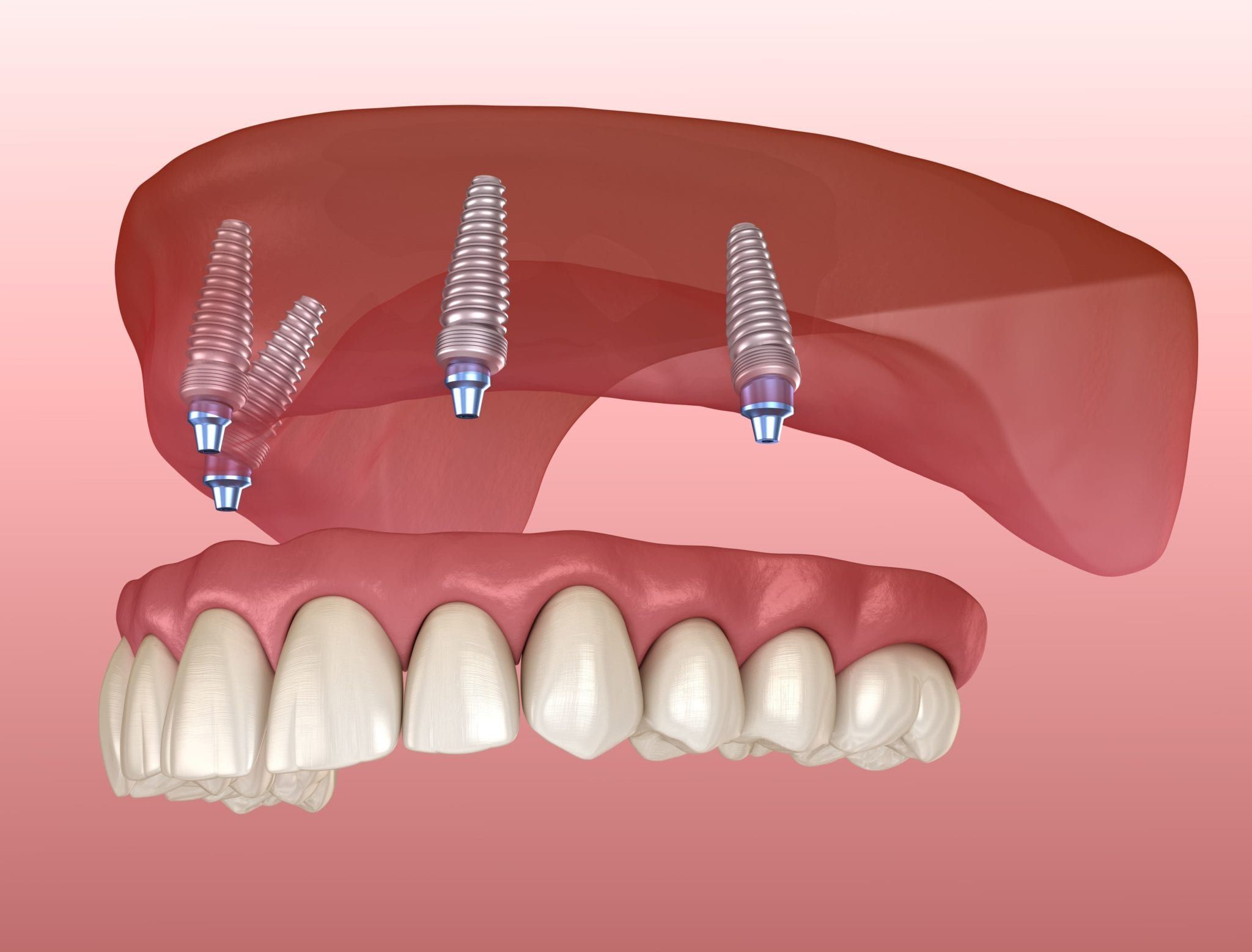
Implant-supported dentures are a great service for patients. Implant-supported dentures are the middle ground between the conventional denture that uses adhesive and the more expensive advanced full-arch dental implants.
Implant-supported dentures are a great option for individuals who are seeking an affordable option to significantly improve their ability to chew and smile.
The support of the implant allows the dental fixture to be shaped into a horseshoe, reducing the bulkiness and opening the palate to create more space for the tongue and better ability to taste food. Implant-supported dentures are sturdier and do not require adhesive.
The individual can improve their diet by including fruits, veggies, steaks, corn on the cob, and other foods one would typically have to avoid with traditional dentures. Also, implant-supported dentures significantly improve patients’ confidence to smile and speak.
This type of dentures is removable, and you’ll be able to snap it on and off as many times as needed. This means that cleaning and maintaining the denture is just as easy as a traditional denture.
Benefits of Implant-Supported Dentures
They are an affordable option for significant improvement in the ability to chew and smile
Implant-supported dentures are sturdy and don’t need adhesive
They function more like natural teeth
The denture is removable, making it easy to clean
This option preserves gum tissue and bone
What is the Process for Placing Implant-Supported Dentures?
Essentially, the existing denture becomes the interim denture after the implant surgery. Four months later, the patient gets a new denture that snaps-on to their implants. The process is simple and includes a series of appointments with your dentist.
Your first appointment will be a consultation to further discuss what the process and care plan will look like when individualized to you. With your dentist, you will discuss the full procedure and other pertinent details to consider when deciding if implant-supported dentures are right for you.
Your dentist will be able to show you models and answer any outstanding questions you may have about implant-supported dentures.
If you think you may be a candidate for implant-supported dentures, reach out to a clinic where the dentists performs holistic dentistry in Durango, CO, to schedule a consultation.
Despite 90 percent of women knowing that gum health while pregnant is important, only about 60 percent of women receive routine oral care while pregnant, according to a study conducted by BMC Oral Health.
For many women, knowing oral health is important while pregnant doesn’t equal a direct conversion to a routine teeth cleaning or check-in with their dentist.
During pregnancy, the gums often become more sensitive and bleed more easily, causing women to feel embarrassed or even shameful to go to a holistic dentist in Durango, CO. Others may be worried about discomfort or nausea.
More than anything, it is important to seek preventative care, as women who are pregnant have a higher risk for gum caries, inflammation, and bleeding. Women may even be susceptible to pre-term labor, should they have poor oral health.
What Does Oral Care Look Like While Pregnant?
It is recommended by the American Dental Association that individuals receive routine cleanings twice a year, or every six months.
During the year of pregnancy, women should have three cleanings. If an expecting mother needs dental work done, care providers often wait until late in the second trimester when women are more hormonally stable.
Any elective care can and should be put off until after the baby is born to eliminate any potential risk, though routine dental care while pregnant is essential and low-risk for the mom and baby.
Maintaining a high level of oral health is important for both the mother and child. There is a correlation between poor oral health and premature birth and/or low infant birth rate, specifically periodontal disease.
The cause is bacteria in the mother’s mouth traveling through the bloodstream and into the placenta.
What to Look for When Pregnant
Often, sensitive and bleeding gums are the first sign of pregnancy as a result of the hormone increase and sensitivity to bacteria in the mouth.
Nausea and vomiting also may have a negative impact on teeth and enamel. Maintaining positive oral health will reduce the side effects of pregnancy on teeth.
Because pregnancy increases the risk for certain oral diseases, expectant mothers must watch for symptoms of these diseases such as:
An increase in swelling and bleeding in the gums beyond what is normal in pregnancy
Pain when eating and chewing
Bad breath
Deep pockets between teeth and gums
Receding gums
If you are planning to become pregnant, you should schedule any extensive dental work prior to conceiving. Once you become pregnant, you should schedule an appointment in the first trimester.
While some dental care will be limited during pregnancy, ensuring great oral health prior to pregnancy will prevent emergency problems with limited pain options, in addition to the added health benefits for the mother and baby.
Today, cosmetic dentistry is more popular than ever, from whitening and shaping to closing spaces and replacing teeth. And dentists who perform holistic dentistry in Durango, CO have a wide array of tools and techniques at their disposal for improving the look of your smile.
Before deciding to undergo any cosmetic procedure, it’s important to know the benefits and risks and what you can expect during the process. Make sure you’re clear about what it will cost, how much experience your dentist has with the procedure, and whether any special maintenance will be needed afterward.
Teeth Whitening
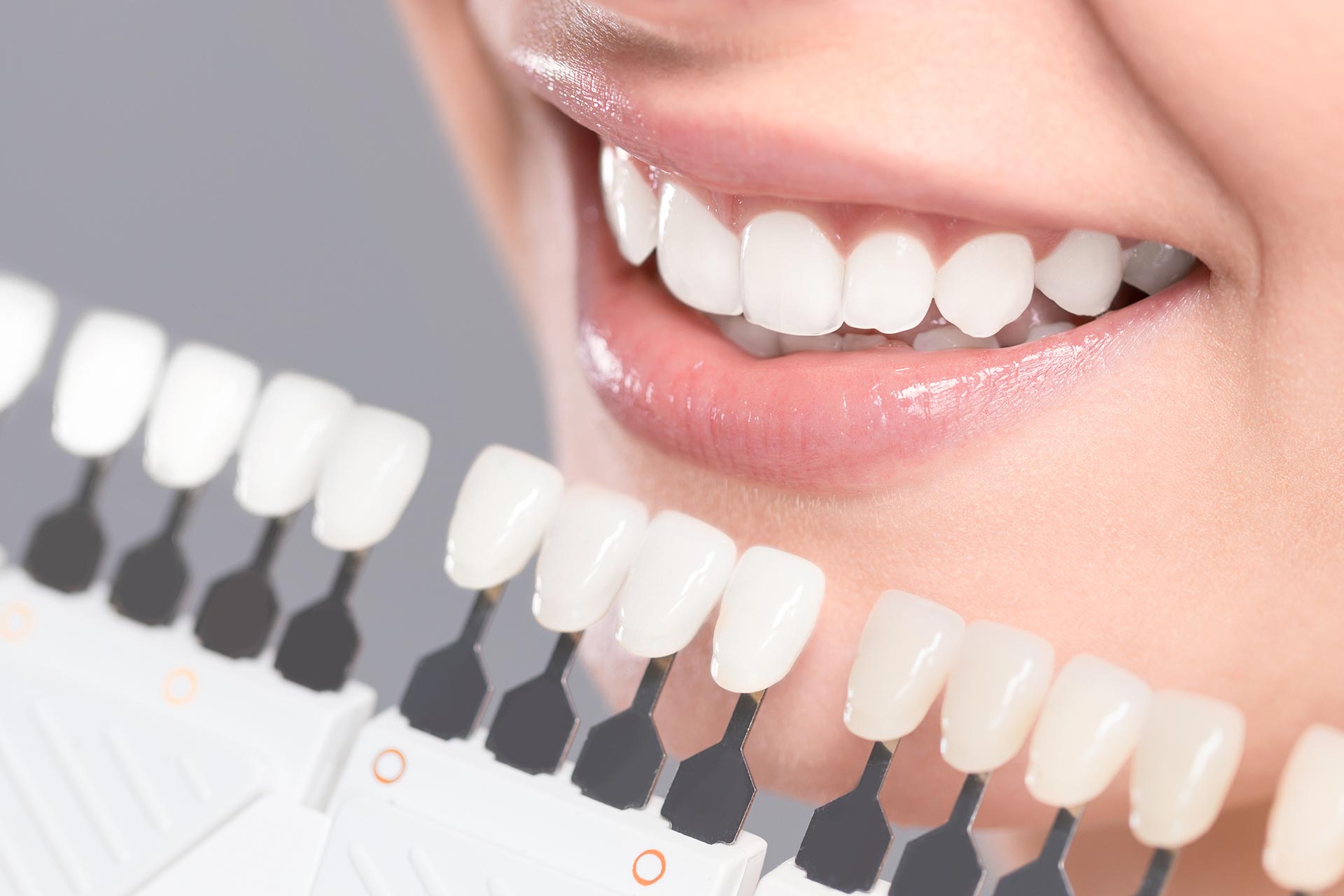
Over time, teeth can become stained or discolored, especially after smoking, taking certain medications, or consuming foods and beverages such as coffee and tea. Using a chemical process, your dentist can bleach your teeth in one of two ways. They can do an in-office procedure, or provide you with a system to use at home.
Your dentist can create a custom mouthpiece tray that ensures the right amount of whitening solution reaches your teeth. You may find whitening at home more convenient. But it can take two to four weeks or longer depending on the strength of peroxide used. In-office whitening can take place in one or more 1- to 2-hour visits.
Keep in mind, your teeth can become stained again if you continue exposing them to the same substances that originally stained them. Because whitening products are not meant to clean teeth, it is still important to continue practicing daily oral hygiene by brushing twice a day, flossing at least once a day, and rinsing with an antiseptic mouthwash daily.ADVERTISEMENT
Bonding
Bonding may improve how your teeth look if they have excess space between them, or if they are chipped, broken, stained, or cracked.
Dentists also use bonding materials to fill small cavities or to protect the exposed root of a tooth.
The dentist can usually do this procedure in a single office visit by applying an etching solution followed by tooth-colored materials — sometimes composite resins — directly to the tooth’s surface where needed.
Although bonding can last for several years, it is more likely than other types of restorations to chip or become stained or just wear down.
Veneers
These custom shells, typically made of porcelain (sometimes plastic), cover the front sides of the teeth to change their color and/or shape. Veneers last longer than bonding and provide a superior appearance. Veneers can improve teeth that:
Have spaces between them
Have become chipped or worn
Are permanently stained
Are poorly shaped
Are slightly crooked
Before inserting veneers, the dentist first takes an impression of your tooth, then buffs the tooth before cementing the veneer in place. A beam of light helps harden the cement, which secures the veneer to your tooth.
Porcelain veneers are made in a laboratory, so you need a second visit to the dentist to have them inserted.
Crowns
Sometimes called caps, crowns completely cover a tooth, restoring a normal shape and appearance. You may need a crown to:
Cover a misshapen or discolored tooth
Protect a weak tooth
Restore a broken or worn tooth
Cover a tooth with a large filling
Hold a dental bridge in place
Cover a dental implant
Cover a tooth that’s had a root canal procedure
Crowns can be made from metal, porcelain fused to metal, resin, or ceramic materials. Because crowns are costly, dentists usually suggest them only when other procedures can’t produce a pleasing result.
Sometimes, a dentist can make an in-office same-day crown, or a temporary crown. Some offices can mill a crown in the same day. The dentist prepares the tooth for the crown, makes molds of the tooth or takes a digital impression, provides you with a temporary crown if sending it to a lab, and then places the permanent crown at a separate time.
Permanent crowns can have a long life if you take good care of them.
Enamel Shaping and Contouring
Enamel shaping and contouring involves removing or contouring dental enamel to improve the appearance of your teeth. Dentists may combine this process with bonding.
Often used to alter the length, shape, or position of teeth, reshaping and contouring can correct:
Crooked or overlapping teeth
Chipped and irregular teeth
Minor bite problems
You may be a good candidate for reshaping and contouring if you have normal, healthy teeth, and there’s still adequate bone between your teeth to support them.
Braces
Today, people of almost all ages are benefiting from braces. Braces not only improve the look of teeth that are crooked or crowded. They can improve an irregular bite and correct jaw positioning and jaw joint disorders.
Braces are worn to apply pressure to and reposition the teeth, usually over the a few months to longer for more advanced cases.
To place braces, your dentist or orthodontist bonds brackets made of metal, ceramic, or plastic to your teeth. Then they place wires through the brackets, which guide the teeth into their correct positions. Sometimes, dentists can attach lingual braces to the backs of teeth, hiding them from view.
After your braces are attached — and after each visit in which your dentist tightens your braces — expect some discomfort for a few days. Also, regular oral hygiene becomes especially important while you are wearing braces.
Risks with braces are minimal. But people with allergies to metal or latex, or those who have periodontal disease, are at greater risk for problems during treatment. Root shortening is also a problem if teeth are moved too quickly.
An alternative for correcting minor spacing problems involves wearing a series of clear, customized appliances called aligners, or invisible braces. Your dentist will reshape and replace them about every two weeks to progressively move your teeth. Unlike traditional braces, aligners can be removed while eating, brushing, and flossing.
Often there are two phases to treatment with braces: wearing braces, and then using a retainer to hold your teeth in their new position. Retainers can be removable or permanently bonded in behind your teeth.
Bridges
Sometimes called a fixed partial denture, bridges are used to replace missing teeth with artificial teeth. Bridges can be made of gold, alloys, porcelain, or a combination. Dentists anchor them onto surrounding teeth after preparing them for crowns. Then a false tooth joins to the crowns and the bridge is cemented onto the prepared teeth. Only your dentist can remove a fixed bridge.
The success of your bridge depends upon its foundation. So, remember that oral hygiene to keep remaining teeth healthy is particularly important if you wear a bridge.
Implants
Implants require an involved and expensive cosmetic dentistry procedure but are a long-term solution for replacing missing teeth. They are an alternative to bridges — which use adjacent teeth as anchors — and to removable dentures, which rest on your gums. A surgeon implants them surgically into the jawbone.
Implants have three parts:
Titanium metal, which fuses to the jawbone
An abutment, which fits over the part of the implant that sticks out from the gums
The crown, which a special restorative dentist creates for a natural, tooth-like appearance
You can get an implant to replace a tooth. Or two or more implants can provide a stable support for replacing several teeth. If you have bone loss from periodontal disease or lost teeth, the surgeon will likely need to first graft bone so the implant has something to secure to.
Having implants requires several steps, including:
A comprehensive exam, X-rays, and consultation
Surgical implantation of the titanium screws
Taking impressions of the upper and lower jaws
Making a model for the creation of the dentures or crowns
Placement of the crown
Follow-up exams with members of your implant team
Other Periodontal Plastic Procedures
An array of other procedures can also improve your smile. They include procedures to help with:
An uneven gum line
Teeth that look too short or too long
Exposed roots
Indentations in your gums or jawbone
If problems like these are a concern for you, ask your dentist about your best options for correcting them and creating a smile that you can be proud of.
We all know about the importance of brushing and flossing our teeth, but the fact is, only 30% of us floss daily and a whopping 32% of us never floss!
Not only does flossing help prevent plaque buildup, it can also help prevent gum disease and tooth decay. The type of floss you use matters, and waxed floss provides many benefits that you won’t find with unwaxed floss or – even worse – not flossing at all!
Why Wax Matters
Not all of us have perfectly straight, even teeth. Some of us may even have teeth that are slightly sharp or crowded together. Wax helps your floss slip easily between your teeth, allowing you to get into tight spaces to get out unwanted food particles. For those of us with jagged, sharp teeth, an extra protective layer of wax can help prevent your floss from snapping or fraying.
Waxed floss is also stiffer, making flossing a breeze for those with braces. Furthermore, braces can snag on unwaxed floss, causing the floss to break.
Another important consideration is that wax can provide a little extra bonus freshness after you brush. Often, the wax is infused with a peppermint or cinnamon flavor, making the flossing experience slightly more enjoyable. Hey, anything helps!
Mastering the Art of Flossing
Waxed or unwaxed, the most important thing is that you actually floss! Proper flossing can help stave off gum disease and cavities, prolonging the health of your teeth.
To make sure you do a thorough job of flossing, make sure you:
• Use an 18″ length of floss and wind the ends around your middle fingers
• Always use a fresh segment of floss on each tooth
• Get up under the gumline, where up to 90% of the bacteria are lurking
• Hold the floss in a C-shape, covering each side of your tooth
Waxed floss can make this task easier and more tolerable.
If you’re still uncertain how to floss correctly, the it is suggested to get in touch with holistic dentists in Durango, CO to get the right advice.







 Anthony Alfonso