A Comprehensive Guide for New Denture Wearers

A Comprehensive Guide for New Denture Wearers

Did you know that by age 50, Americans have lost an average of 12 teeth? This is one of the reasons why dentures are so common.

New denture wearers often have a lot of very legitimate concerns.

Are they going to be comfortable? How do I take care of my new dentures? Are there any problems I should watch out for?

Don’t worry! We’re going to answer all of these questions and more.

What Are Dentures?

First things first, you need to understand exactly what dentures are.

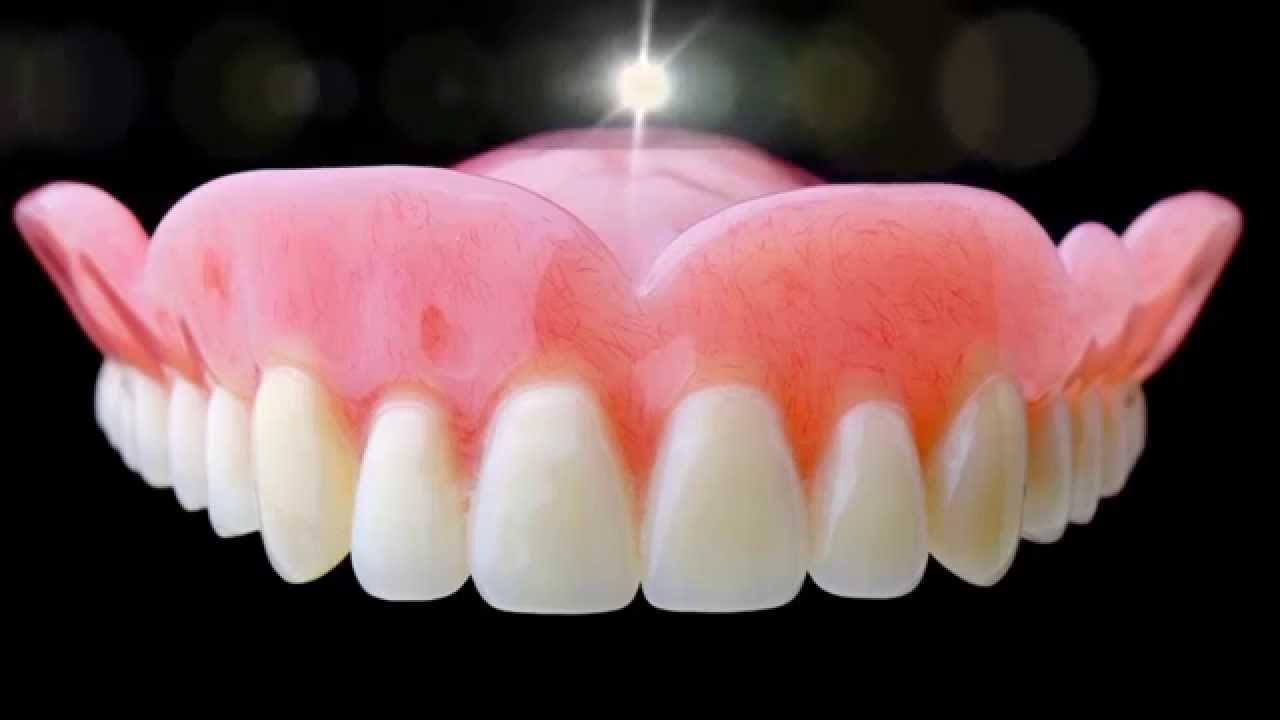
Simply, a denture is a replacement for a missing tooth. There are two types of dentures: full (complete) and partial.

Partial dentures hook onto the remaining teeth you have to fill the gap left by your missing tooth or teeth. The base matches your gums, so they look natural and virtually unnoticeable. These are usually meant to be permanent but they can also be adjusted if you lose additional teeth in the future.

Full dentures are usually the answer for people who either only have a few teeth left or have none left at all. Sometimes, if the teeth you have are still healthy, you’ll get overdentures, which help to hold your healthy teeth in place.

In many cases, the teeth aren’t healthy and the dentist will recommend simply removing them. In this case, you’ll likely get temporary dentures that you can wear while your gums heal.

When you get your permanent dentures, they will either sit on top of your gums or be anchored to mini dental implants, which are small titanium screws anchored into your jawbone.

Your dentist will help determine the best types of dentures for your specific circumstances.

How To Know If You Need Dentures?

The best way to know you need dentures is to have a dentist tell you so. Often, the dentist will have already exhausted all of the other options to salvage your real teeth, including fillings, root canals, and crowns.

Some of the most common reasons that people end up needing dentures include poor oral care habits, certain chronic illnesses, certain medications, and mouth injuries.

How Long Do Dentures Last?

Dentures aren’t cheap, so it’s natural to wonder how long you can expect them to last. The good news is, as long as you take good care of them, you can expect them to last five to eight years.

However, it’s also likely that you may need to have your dentures adjusted before they wear out. This happens because your gums naturally change and recede over time. This can lead to problems with the fit (more on that later).

Care Tips For New Denture Wearers

For the most part, you’ll take care of your new dentures in the same way you care for real teeth. The biggest difference is that when you go to sleep, they’ll sit in a cup instead of in our mouth.

The most important thing you’ll need to do is clean your dentures regularly.

After you eat and before you go to bed, you’ll want to rinse your dentures with water and brush them with a soft-bristle toothbrush and toothpaste. You can either use regular toothpaste or a formula made specifically for dentures.

Gently scrub them, ensuring that all food particles and any adhesive is removed. Then, make sure you rinse the paste off completely.

Finally, place them in a glass of cool water. If you wish, you may also want to add an effervescent denture cleaner to the glass. This will help remove any remaining stains or odors.

Warning! Never use hot water or household cleaners to clean or soak your dentures. Instead, always look for the American Dental Association (ADA) label that indicates that the product is approved for use on dentures.

Common Denture Problems To Watch Out For

Taking good care of your dentures should help you avoid any major problems. However, there are some common issues that you should watch out for. Noticing and dealing with them right away will help keep these small issues from becoming a serious problem.

1. Improper Fit

Ill-fitting dentures can lead to irritation and even sores in your mouth. It can also cause food to get trapped between the dentures and your gums, which can cause a fungal infection.

2. Mouth Pain

It’s common to feel some pain and discomfort in the first few days after you get your dentures. However, after you’ve been wearing them for a few weeks, you should get used to them and the discomfort should subside. If you continue to have pain or pain arises suddenly, this is a sign that something’s wrong.

3. Foul Breath

Sometimes, if you don’t clean your dentures thoroughly, they can develop an unpleasant smell. If you notice your breath is bad, use the instructions above to thoroughly clean them and soak them in a cleaner overnight.

If the problem persists, don’t ignore it. It could indicate that there’s an infection or other problem in your mouth.

If any of these issues arise, it’s important to head back to your dentist’s office at your earliest convenience. A simple adjustment and, possibly, a professional deep cleaning should fix the problem.

Need Dentures? We Can Help!

Are you wondering when to get dentures? Or are you already about to become a new denture wearer?

If you’re having problems with your teeth and think you might need dentures – or other dental services, then it is best to consult with expert holistic dentists in Durango, CO.

Traditional Dentist Vs Holistic Dentist

Traditional Dentist Vs Holistic Dentist

Both types of dentists maintain the standards of care outlined by American Dental Association. Both types of dentists do their best to ensure a fairly pain-free visit and treatments. Yet, there are important differences.

Both will fix your teeth, but only one will focus on your entire body and it’s health when doing every dental procedure.

Learn about why the differences extend way beyond just your mouth and why it matters to your overall health.

Traditional and Holistic Dentist Definitions:

The definition of a traditional dentist according to Merriam Webster dictionary:
One who is skilled in and licensed to practice the prevention, diagnosis, and treatment of diseases, injuries, and malformations of the teeth, jaws, and mouth and who makes and inserts false teeth.

A holistic dentist upholds the standards of quality and care of the traditional dentistry profession. In addition, they uphold another set of standards and care as defined below.

Holistic Dentist definition from Encyclopedia.com:

Holistic dentistry, also referred to as biologic dentistry, is an alternative approach that focuses on the use of non-toxic restorative materials for dental work, and emphasizes the unrecognized impact that dental toxins and dental infections may have on a person’s overall health. 

Yes, traditional dentistry has been alleviating teeth, gums, mouth issues for a long time. Unless someone is in pain from a poorly done dental procedure, you won’t find many people complaining about their traditional dentist. In some ways, it isn’t broke. The cavities are filled and the broken teeth fixed.

But, who wants just the minimum standard of care? As holistic dentists, we offer a premium level of care, generally for the same cost as the basic care given by traditional dentists.  

What happens in the mouth doesn’t stay in the mouth! It affects the whole body.

What is in the mouth will affect the health of the whole body. All dentists understand this when a cavity is present. Everyone agrees the bacteria and germs collected in the rotting tooth will cause potentially major health problems. Somehow this logic stops when it comes to the products used for treatments of dental issues.

You will find people with mercury silver amalgam fillings and dental materials, that are not biocompatible to their bodies, complaining of autoimmune disorders, memory loss and a host of other health problems that might seem, on the surface, unrelated to the materials used in a traditional dentist office.

The skilled holistic dentists in Durango, CO understands that the materials used in dental procedures essentially become part of the body. If this new material is creating a build-up of toxicity or being rejected by the body because of incompatibility, then the patient’s overall health will deteriorate.

The main reason a Holistic Dentist is different than a Traditional Dentist is the view on overall health as related to the mouth.

The traditional dentist only focuses on fixing problems in the mouth and doesn’t address any problems that might arise in overall health from problematic dental materials.

The holistic dentist sees the mouth and the materials in the mouth as an integral part of a patient’s whole body health. A skilled holistic dentist will make every known effort to have the patient leave the office in a state of continuingly greater health.

In other words if our bodies were cars, you could just get an oil change every time you go to the mechanic, using the same oil for every type of car or truck and no regard for the functioning of any other part of the car. Or you could get an oil change with oil specifically chosen for your unique car and have the whole car’s functioning seen as necessary to run smoothly together.

What Is Holistic Dentistry

What Is Holistic Dentistry

Your teeth and gums play an important role in your body’s overall health. Holistic dentistry recognizes this connection and takes a whole- body approach, using tools and procedures that promote total wellness. Holistic dentistry, also called alternative dentistry, is the equivalent of alternative medicine for dentistry.

Although the holistic dental community is diverse in its practices and approaches, common threads include strong opposition to the use of amalgam in materials in dental fillings, non-surgical approaches to gum disease, and the belief that root canals may endanger systemic health of the patient through the spread of trapped dental bacteria to the body. Many holistic dentist use natural options for pain and use x-rays sparingly.

Many practices and opinions among alternative dentists are criticized as not being evidence-based by the mainstream dental community and skeptics of alternative medicine in general. Generally speaking, such dentists charge far more for the same dental treatment compared to the mainstream dentists, as they consider themselves to providing specialized care.

Today the Holistic Dental Network defines the field as an approach to dentistry that promotes health and wellness instead of treating of disease. They attempted to coin the following basic principles as being unique to holistic dentistry:

Proper nutrition for the prevention and reversal of degenerative dental disease

Avoidance and elimination of toxins from dental materials

Prevention and treatment of dental malocclusion (bite problems = physical imbalance)

Prevention and treatment of gum disease at its biological basis

Practitioners of holistic dentistry can vary a great deal in terms of techniques and services they offer. While many conventional dentists recognize there is a significant merit to different preventative approaches to dentistry, some of these dentists have criticized holistic practices for lack of efficacy of approach and false marketing in their practices.

A significant part of the critique of holistic dentistry is related to the unsubstantiated use of certain services and treatments, many of which have either been investigated and found ineffective or have not been researched enough to be declared safe and effective for practice. For example, herbal remedies are often recommended in the form of mouthwash and toothpaste in order to prevent or treat certain dental conditions. They are supposedly safer products because they are natural. However, there is lack of scientific research which supports such treatments.

Most holistic dentists use plant-based fluoride free tooth remineralization products. They use cold laser to help treat TMJ pain. For patients who have frequent headache or pain due to misalignment of the jaw joint (TMJ), dental laser is used for effective pain reduction. The laser reduces inflammation and stimulates the natural healing capacity of the affected tissues.  Although the American Dental Association considers dental amalgam safe, most holistic dentists replace amalgam fillings with composite fillings which blend in with the surrounding tooth structure for a natural appearance.

History

The origin of holistic dentistry dates back to 1800, when the National Dental Association recognized the harmful effects of amalgam restoration and mandated that the members of the association should not use it on their patients. This was followed by many countries that have banned the use of mercury. Holistic dentistry rose further in between 1870 to 1948 with Weston A Price.

He conducted research and came to the conclusion that degenerative diseases like heart problems, kidney and bladder disorders, arthritis, rheumatism, mental illness, lung problems and many other bacterial infections arise from root canal therapy and endodontic treatments. His concept was widely known as “focal infection theory”. Support of Price’s theories continued further from a dentist named Melvin Page. He coined the phrase “balancing body chemistry” and considered tooth decay an example of systemic chemical imbalances.

He marketed a mineral supplement with claims that widespread mineral deficiencies were an underlying cause of several health conditions, including goiter, heart diseases, tuberculosis, and diabetes.The last few decades have seen an increase in the number of people following holistic dentistry.

The use of X-ray in holistic dentistry

It is no secret that X-rays emit radiation and that radiation has been linked to cancer. While other traditional dentists will take x-rays every 6 months, holistic dentists use digital x-rays which are about 50% lower in radiation on average than the previous generation of x-ray machines. Recent studies show there is a statistically significant correlation between full-mouth X-rays and salivary gland cancer. Health outcomes such as leukemia (the most common childhood cancer in America), low birth weight, cataracts, and thumb carcinomas have also been reported.

Neem in Holistic Dentistry

Azadirachta indica commonly known as Neem, is an evergreen tree. Since time immemorial it has been used by Indian people for treatment of various diseases due to its medicinal properties. It possesses anti-bacterial, anticariogenic, anti-helminthic, anti-viral and anti- inflammatory activity. Neem bark is used as an active ingredient in a number of toothpastes and toothpowders. It is useful in dentistry for curing gingival problems and maintaining oral health in a natural way. Neem twigs are used as oral deodorant, toothache reliever and for cleaning of teeth.

Ayurveda in Holistic Dentistry

Ayurveda is one of the oldest systems of medicine from India. It is nearly 5000 years old. Ayurvedic herbs have nature’s own power of remedies. The right herb in the right combination keeps the body system in harmony. Formulated herbal tooth powder and paste are available that are effective and safe for number of diseases. These ingredients are combined in such a way that helps in cleaning teeth, prevention from various dental problems such as dental pain, bleeding gums, mouth fibrosis due to poor eating habits, betel nut chewing habits  poor dental root, sensitive tooth, tobacco chewing habits, dental numbness, formation of tartar and poor dental strength.

Many Ayurvedic formulations are prepared using Neem as a dominant ingredient. It could be in the form of herbal toothpaste or herbal tooth powder, making it a unique and powerful oral care formula containing active botanicals such as supercritical extracts of Neem bark, grape seed, clove, fennel and other plants for maximum support of healthy gum and teeth. Propolis which is a natural substance based on resins of pine and collected by bees has been reported to cure oral ulcerations. The sedative properties of chamomile, limeflower, vervain, rosemary, and valerian are relied upon in the practice of holistic dentistry.

Homeopathy in Holistic Dentistry

Homeopathy is used by holistic dentist as a natural approach to their practice. The therapy is a safe and natural alternative that is non- addictive and effective with both adults and children. Homeopathic remedies are used to improve the psychological or emotional condition of patients without the drugging effects of conventional tranquilizers. The three main remedies considered by holistic dentists include: aconite (foxglove); gelsemium (yellow jasmine); and argentum nitricum (silver nitrate). Clinical experience has also demonstrated that many homeopathic remedies have been found to be effective for conditions especially dental caries, dental abscess, oral lesions, post extraction bleeding and even medication to treat the anxious and nervous child.

Hypnosis in holistic dentistry

When hypnosis is used, patients are able to relax their bodies and minds by concentrating on suggestions of relaxation. The patient is fully aware of what is happening during their treatment and no drugs are used. Its use is mainly suggested for apprehensive patients. It may banish fear and make other anesthesia unnecessary. Many holistic dentists employ specialist hypnotherapists to provide treatment that is highly effective and cannot cause any harm or produce any side effects.

The Use of Miswak

Some traditional dental techniques such as the use of the Miswak stick has been shown to be beneficial. These sticks are popular among different cultures and languages by different names: ‘Mswaki’ in Swahili, ‘Gisa’ in Aramaic, ‘Gesam’ in Hebrew, ‘Mastic’ in Latin and ‘Koyoji’ in Japanese. The popularity of Miswak became significantly widespread under the influence of Islamic culture. There are around 180 species of plant from which a Miswak can be prepared, but the popular choice is S. persica all over the world. The twigs, stems and roots of this plant have been used extensively for oral hygiene measures and also smaller sticks are used as toothpicks.

The Miswak has a range of benefits. It contains fluoride that is helpful in fighting against caries and a repeat action of chewing the Miswak produces anticariogenic ( prevents cavities) effects by releasing fresh sap in the oral cavity. Miswak promotes tissue healing and repair due to the presence of Vitamin C. A thin resin layer is formed on the enamel which helps to protect against caries.

Presence of an essential oil give out a mild pungent taste which helps in stimulating the flow of saliva behaving as a buffering agent and calculus formation is retarded by high concentration of chloride. Apart from being the cleaning aid for tooth and tongue, it is an effective jaw exerciser following any trauma to the jaw or the temporomandibular joint ( the joint that connects the jawbone to the skull). It prevents deleterious habits such as thumb sucking in children and smoking in adults and kids in the development of the dentition during the eruption stage.

Conclusion

Holistic dentistry in Durango, CO is an emerging field of probiotic dental medicine that supports the life process. It is an aesthetic, relatively nontoxic, and biocompatible treatment modality. The knowledge and understanding of the Holistic approach of treatments is still an ongoing process and further research should be carried out in this regard.

What to Do If Your Child Chips, Cracks, Or Knocks Out A Tooth

What to Do If Your Child Chips, Cracks, Or Knocks Out A Tooth

Knowing what to do (and what not to do) during a dental emergency will prepare you in case your child chips, cracks, or knocks out a tooth.  

It’s important to know that no matter what the dental injury is or how small it may appear, your child will need to be evaluated by a holistic dentist in Durango, CO to ensure that there is no additional damage or injuries to the mouth, surrounding teeth, and jaw. 

Sometimes the child may not even notice or be in pain, but other times if a large part of the tooth has been chipped or if the tooth is knocked out altogether, it can be painful for them.

Steps if a Child Chips or Breaks a Tooth

If your child cracks, chips, or breaks a tooth, follow these steps:

  1. Contact your child’s dentist right away.
  2. Rinse their mouth with water.
  3. Put a cold compress on the face to reduce swelling.
  4. If possible, bring the tooth fragment with you to the dentist.

If a baby tooth is knocked out, never try to replant it, as it could cause damage to the permanent tooth behind it and the tooth. Instead, schedule a visit to your pediatric dentist as soon as possible and bring the tooth with if you are able. 

However, if the knocked-out tooth is a permanent tooth, you should rinse it off carefully, replace it in the mouth as quickly as possible, and see your dentist immediately.

How to Temporarily Replant a Tooth

These instructions should only be used if the tooth knocked out is a permanent tooth.

  1. Find the tooth and pick it up by the crown (the widest part of the tooth). Avoid touching the root of the tooth.
  2. If a tooth is dirty, gently rinse the tooth in cold water for 10 seconds. Do not scrub it or use soap.
  3. Gently place the tooth back in its socket and have your child bite down gently on a clean piece of gauze, handkerchief, or washcloth.
  4. If you can’t replant the tooth, place it in a clean container and keep it moist until you can get to a dentist. The best liquid to put a tooth in is a special tooth-preservation product called Save-A-Tooth. If you’re unable to get a hold of this product, use cold milk, saliva, a saline solution, or water. 
  5. Seek dental care immediately.

The best chance for tooth survival is to replant it or place it in one of the above liquids within about five minutes, so you must act fast and be prepared in the case your child knocks out a permanent tooth.
 

Though you can’t prevent every stumble, fall, or sports injury, child-proofing your home and having your child wear a mouth guard when playing sports can go a long way in avoiding dental injuries.

5 TEETH STRENGTHENING FOODS

5 TEETH STRENGTHENING FOODS

Tooth enamel is the toughest tissue of the whole human body. Keep the tough shell that covers the tooth at its strongest by adding these tooth-fortifying foods to your regular diet.

#1 Cheese

Dairy foods, including cheese, are rich in tooth- and bone-fortifying calcium. Dairy products, such as cheese and milk, also contain the casein protein, which stabilizes and repairs enamel. Not all cheese products are high in calcium though, so be sure to check the label to see what percentage of your daily recommended calcium amount each serving is giving you.

#2 Leafy Greens

Leafy Greens

Spinach and other leafy greens are loaded with fiber, which is excellent for your teeth because it requires a lot of chewing to break down and generates saliva that cleans and rinses your teeth while also neutralizing acid. Not keen on greens? A bowl of high-fiber beans offers the same benefit.

#3 Wild Salmon

Wild Salmon

This fatty fish is high in omega-3s and is also a stealthy source of the vitamin D, which helps the body to absorb calcium, so the mineral can do its job of protecting and strengthening the teeth.

#4 Green Tea

Green Tea

This healing elixir has many research-backed benefits thanks to its powerful bacteria- and disease-fighting antioxidants, which have the ability to protect teeth by preventing plaque from sticking to them. Teas also typically have fluoride in them, which prevents tooth decay and fortifies enamel. If green tea is too bitter for you, try sipping milder black tea that offers similar protection for your teeth and gums.

#5: Carrot Sticks

Raw Carrots

Raw carrots, and other raw veggies and fruits that require a lot of chewing, such as apples, pears and cucumbers, can all strengthen your teeth. All the chewing also disrupts bacteria-filled plaque and cleanses the teeth and gums.

Your mouth is affected by your diet just as much, if not more than the rest of your body. Certain foods will affect your mouth positively in ways that no other food can. On top of drinking lots of clear fluids, the following are great foods to keep your mouth happy and healthy. The expert holistic dentists in Durango, CO, value overall health just as much as they value the health of the mouth.

I Brush My Teeth Twice A Day, So Why Do I Still Get Cavities?

I Brush My Teeth Twice A Day, So Why Do I Still Get Cavities?

Many people have been trying to form better habits while they stay at home during the COVID-19 pandemic including eating healthier, working out more, self-reflecting, and more. However, I still have plenty of patients that come in and ask…

I brush my teeth twice a day, so why do I still get cavities?

While the answer to this question is different for everyone, there are still some general principles about cavity formation that I share with my patients that can help address this concern:

  1. How do cavities form?
  2. How can you help your teeth re-mineralize?
  3. When is the best time of day to brush your teeth?
     

How Do Cavities Form?

All our teeth are made up of minerals. Any time you eat or drink sugary or starchy foods, bacteria in the plaque on your teeth begin to produce acid, then this acid eats away at the enamel (or the protective layer on your teeth). When your mouth drops below a critical pH and becomes more acidic, teeth begin to lose those natural minerals on our teeth.

It takes about 30-60 minutes after eating or drinking for the pH in your mouth to return to normal. However, if you don’t give your mouth enough time to recover after eating or drinking and consume something else high in sugars or starch, the process begins all over again and acid continues to form from the plaque on your teeth.

For example, drinking a can of soda in 10 minutes is much better than sipping it over the course of an hour because your mouth will only be exposed to this acidic beverage for 10 minutes rather than repeatedly for 60 minutes. The sooner your teeth can start the re-mineralizing process, the better. 


How Can You Help Your Teeth Re-mineralize?

Saliva is our friend! Saliva is a big help in keeping our teeth protected. It acts as a natural buffer from harmful particles and helps flush them out. The same minerals found in our teeth are also present in saliva, so after you eat, saliva helps add calcium and phosphate back to the teeth.

However, sometimes that’s not enough and that’s where fluoride comes in. By using toothpaste containing fluoride or drinking tap water with fluoride, those helpful properties embed themselves in your saliva and help protect your teeth. As a result, the next time your teeth are recovering from sugar and acid in the juice you drank or cookies you ate, your teeth can use these fluoride minerals embedded in your saliva to create a stronger and more decay-resistant enamel.


When is the Best Time to Brush Your Teeth?

We all know brushing our teeth twice a day is important. But exactly when in the day should we brush? 

While you’re sleeping, plaque-causing bacteria are multiplying in your mouth. Brushing your teeth first thing in the morning can be beneficial by removing this plaque and bacteria. Brushing your teeth in the morning also helps because it introduces fluoride into your mouth before you eat your first meal of the day. You can help cleanse your mouth of the bacteria that multiplied overnight, which helps lessen the number of particles that turn to acid from your breakfast!

If you’re one of those people who like to brush after a meal, be sure to wait at least 30 minutes before brushing. If you brush immediately after finishing a meal, you may be removing those helpful minerals in your saliva. If you need a rinse after eating, drinking water or chewing sugarless gum can help increase saliva flow so that it can do its job in keeping your teeth healthy.

In addition, making sure you brush before heading to bed at night can limit any prolonged acid exposure while you sleep. In general, it’s plain important to brush twice a day to help remove harmful bacteria and particles from your mouth. However, you can elevate your routine by brushing first thing when you wake up, and last thing before you go to sleep.


If you have questions about your oral health routine—especially during this stressful and unprecedented time—request an appointment with the dentists who uses the technique of holistic dentistry in Durango, CO!

How Your General Health Issues May Impact Your Oral Health

How Your General Health Issues May Impact Your Oral Health - 123Dentist
How Your General Health Issues May Impact Your Oral Health

The connection between general health and oral health has come under the spotlight in recent years. Research shows that poor oral health can put you at risk for health problems like heart disease. On the flip side, your general health can also affect your oral health. Here are six health-related issues that can impact your oral health.

Diabetes

The detrimental effects of diabetes on your eyesight, kidneys, and heart is well known. What most people don’t know is that diabetes is also bad for your oral health. Oral conditions like periodontitis (acute inflammation of the gums) make it harder for the body to process insulin.

A dry mouth or receding or bleeding gums can indicate an underlying condition like diabetes. Having a dry mouth means less saliva to wash away food particles, sugar, and acids, making diabetic patients more prone to cavities. In addition, because wounds typically heal more slowly in people with diabetes, oral problems like mouth ulcers and gum infections can take much longer to heal.

Osteoporosis

Osteoporosis is a debilitating disease that affects more women than men. People suffering from osteoporosis have a lower bone density that weakens the bones and causes it to fracture more easily.

This reduced bone density can affect the jaw bone, contribute to periodontitis and tooth loss, and can result in dentures not fitting properly. Women with osteoporosis are three times more likely to suffer tooth loss than those who don’t have the condition. Calcium intake, especially during and after menopause, is crucial in preventing osteoporosis and its effects on oral health.

HIV and AIDS

People with HIV and AIDS suffer oral problems much more than those who don’t have the disease. Many times, the dentist is the first to discover oral signs that point towards HIV. Mouth ulcers, oral warts, oral thrush, lesions on the tongue, and inflammation of the gums are common in people with HIV and AIDS.

It’s important that HIV patients take good care of their overall health by following a healthy lifestyle and being diligent with taking their antiviral medication. Oral infections can spread to other parts of the body leading to serious complications or death for someone with a weakened immune system.

Asthma

There are two ways having asthma can ruin your teeth:

  • Asthma medications like bronchodilator and corticosteroid inhalers can cause dental cavities, especially when used daily to prevent asthma attacks. Prolonged use of asthma inhalers reduces saliva production in the mouth, leaving your teeth and gums susceptible to infections and tooth decay.
  • When an asthma attack strikes, it’s usually accompanied by coughing. Regular coughing fits can cause a condition called gastro-oesophageal reflux, also called acid reflux. This is when acid from the stomach pushes up into the oesphogus and sometimes into the mouth. If this happens often, the acid will eventually cause tooth erosion.

Stress and Anxiety

You may not think stress and anxiety can impact your teeth but here’s how it does that. When you’re under stress or suffering from anxiety, you tend to tense up, tighten your jaws and clamp down on your teeth. Some people start grinding their teeth, which can happen while awake or asleep. Try to be aware of this and loosen your jaw when you feel tense and use a night guard to protect your teeth while you sleep.

Substance Abuse

People who smoke cigarettes, drink excessive amounts of alcohol and take illegal drugs place themselves at risk for a myriad of health problems, including oral problems. Smoking not only discolours your pearly whites but increases your risk of gum disease. Certain drugs, like methamphetamine, severely damage teeth and gums.

The term “meth mouth” was coined because of how badly the drug impacts teeth, causing them to rot, break, and fall out. Drug addicts are also less likely to care for their teeth due to general neglect of personal hygiene or lack of money.

Unhealthy Lifestyle

The mouth-body connection means your oral health affects your general health and your general health affects your oral health. Following an unhealthy lifestyle will affect both your oral and overall health. If your lifestyle can benefit from some changes, you don’t need to make big sweeping changes all at once. Implementing these small changes over time will help you improve your health:

  • Incorporate healthier food choices and switch to a healthier cooking style, like baking instead of frying.
  • Increase your physical activity. Even 15 minutes of walking a day will be beneficial.
  • Stop smoking and consume alcohol moderately.
  • Part of a healthy lifestyle is looking after your dental health. Brush and floss your teeth daily, schedule regular checkups with your holistic dentist in Durango, CO.

Everything You Need To Know About Dentures

Everything You Need To Know About Dentures - 123Dentist
Everything You Need To Know About Dentures

Whether you are considering getting dentures, already have them, or know someone with them, it’s very likely that you may have some questions about them. What follows is information on what dentures really are, what kind of care they require, and how dentures can improve your oral health.

What are dentures?

Dentures are artificial teeth and gums that are formed to your mouth and created by the holistic dentists in Durango, CO to replace lost or removed natural teeth. Dentures can either be full or partial, meaning they can either replace all teeth on either the top or bottom gum line, or just a few that are missing. Regardless of what kind of dentures you may need, they will be custom designed to fit your mouth, and visually matched to your existing teeth.

What are they made out of?

In the past, the artificial teeth that make up dentures were made out of porcelain or plastic, but more modern dentures are generally made out of a hard resin. The materials used to make denture teeth are known to be more fragile than natural teeth and can easily chip or crack if dropped or otherwise uncared for.

This material also wears down much quicker than natural teeth and thus must be replaced with a new set of dentures every five years or so.

Why wear dentures?

Dentures not only improve the appearance of a smile that has multiple missing teeth, but they also keep the structure of the mouth sound by supporting the structures around the cheeks and lips. Dentures also make it possible to eat foods that require chewing, making it possible to keep your diet the same and ensure that you are properly nourished.

Lastly, dentures are a viable solution to replace teeth that are causing serious pain and oral health issues, such as those with rotted roots or severe damage. Having dentures fitted means that troublesome teeth are eliminated and replaced with a strong and beautiful alternative.

Partial dentures

Partial dentures are often used instead of other tooth replacement methods when the surrounding natural teeth are not strong enough to support structures such as dental bridges, or when more than one or two teeth are missing.

The partial dentures are fitted to the part of the gum line that they will sit on, and fasten to nearby natural teeth to keep from falling out of place. They are not permanently fastened, however, and can be easily taken out at any time for cleaning and while sleeping.

Full dentures

Full dentures, otherwise known as complete dentures, are dentures that replace all of your natural teeth. You can have them fitted for your top or bottom gum line, and are held in place by suction and/or the help of an oral adhesive. Just like partial dentures, they are easily removable.

Biological, Natural & Holistic Dentistry

Biological Dentistry - Natural Dental Arts
Biological, Natural & Holistic Dentistry

Contrary to popular belief, there is no dental school that teaches “holistic dentistry.” You could substitute the words biological, integrative, whole person, wellness and longevity and they could all fit.

Holistic means taking a broader perspective, knowing patients and what they want. It means working with people, understanding their beliefs and achieving a common goal, a healthy, beautiful smile.

Recognizing that what works with one person might not work for the next. Listening to what they have to say and honoring it. The holistic dentists in Durango, CO avoids drugs and surgery when possible and cares for the teeth and tissue of the mouth as if they were their own.

These principles have taught dentists to work slower but more effectively, preserving and protecting what nature has given the patient. Although other effective and safe treatments are available to develop a treatment plan to best fit your personal needs and lifestyle. In life, all problems can have different solutions to reach an end goal.

Minimally Invasive

  • The use of Septocaine local anesthetic reduces the amount of anesthetic needed by 1/2 to 2/3 with the same effectiveness as others.
  • Use magnification and halogen lighting to improve vision so that only the diseased part of the tooth is removed. The quality of the dentist’s vision is directly linked to the quality of care.
  • Use LASER to reduce the need for anesthetic, speed up healing time, reduce the need for periodontal surgery and reduce microfractures in the tooth.
  • Minimal tooth removal techniques to reduce nerve inflammation within the tooth, resulting in less root canals and the need for pain medication.
  • Using strong and long lasting biocompatible materials so that the tooth gets treated less times over your life. This saves teeth and money.
  • Laser periodontal therapy.

Mercury and Metal Free

After the dentist completely numbs the area where the root canal is to be completed, an opening is made into the pulp chamber through the top of the tooth. Once the pulp is completely removed, the root canals are thoroughly cleaned. After cleaning the canals, a biocompatible material known as gutta percha is placed in the canals, sealing out bacteria.

If dentists decide to complete the root canal therapy in multiple visits, a temporary filling will be placed to protect the tooth. When you return, dentists will remove the temporary filling, re-clean the root canal and pulp chamber, and place a permanent filling and / or crown over the tooth.

What You Can Do To Maintain Your Oral Health

How to Maintain Good Oral Health | The James Clinic Blog
What You Can Do To Maintain Your Oral Health

Many people seek natural health solutions to achieve improved well-being naturally. Avoiding the chemicals and unnatural ingredients found in many over the counter products and plenty of foods can help your entire body, especially in regards to oral health.

A naturally healthy smile acts as a shield against bodily infection and is more resistant to decay. Consider these holistic products and care habits suggested by the expert dentists who follows holistic dentistry in Durango, CO, when you are looking to improve your oral health.

Brushing and Flossing

Daily hygiene is essential to maintaining a healthy smile. Brush at least twice a day and floss once to remove debris from all reachable areas. Use a soft-bristled toothbrush, or an electric one, and hold it at a 45-degree angle, tilting the brush so it can reach beneath gums, and be sure to scrub your tongue.

Flossing is just as important as brushing and does two important things. It removes leftover food and breaks down daily plaque buildup. If normal floss is uncomfortable, try a water pick (oral irrigator).

To ensure your smile is free of chemicals and harmful additives, find a toothpaste that is sodium lauryl sulfate and fluoride-free. Traditional toothpaste can overexpose teeth and gums to these materials, damaging the dental structure and your healthy microbiome.

Nutrition

One of the ways people damage teeth is by consuming acidic foods. Any foods that contain processed sugar, such as coffee, soda, and salty snacks, are acidic and eat away at the enamel, especially if they are not rinsed or brushed away through comprehensive hygiene habits.

Some foods lower the acidity levels in smile, including beans, certain fruits, and vegetables. The best way to avoid damage, however, is to make healthy dietary choices. Eliminate sodas and sugary beverages and cut out smoking or excessive alcohol consumption. These are the primary culprits that cause bad breath, enamel discoloration, and tooth loss.

Supplements and Additional Tips

In researching holistic health aids available on the market, you will find a range of methods to improve your oral health. From supplements that boost your microbiome to ultrasonic toothbrushes, many of these options are gaining in popularity, especially the use of coconut oil.

Using Coconut Oil  

Use about one tablespoon of organic coconut oil and swish it around in your mouth for at least 15 minutes, but no more than 20. Do not swallow the oil, and when you are finished, dispose of it in a paper towel or small cup and put it in the trash.

If you put it down the sink, it can cause problems with the plumbing. There are some nice products available that have peppermint added to make the experience more pleasant.

Coconut oil contains lauric acid, which has antimicrobial properties. It can kill harmful bacteria, fungi, and viruses in the body. It is particularly good at killing the oral bacteria called streptococcus mutans, which is the leading cause of tooth decay. Consistently using coconut oil can help reduce cavities, fight gum disease, and reduce bad breath.

Design a site like this with WordPress.com
Get started