WHAT IS HOLISTIC DENTISTRY?

What is Holistic Dentistry? • Accelerate My Practice
WHAT IS HOLISTIC DENTISTRY?

What exactly is holistic dentistry and what makes it holistic?

A diet high in sugar will ruin both your teeth and your overall nutrition. All know that illnesses lower your immune system and increase the risk of infection.

A high level of bacteria in your mouth increases the chances that bacteria travels into your blood stream. Which can negatively affect your overall health. Shockingly, plaque in the mouth can even be an indicator of plaque in your arteries.

Having an evaluation of the placement of your teeth could lead you on a path to easing chronic jaw pain and headaches. The human body is made of many unique parts that work together as a whole and in turn can affect each other greatly.

What is the difference between holistic dentistry and traditional dentistry?

The Center for Natural Dentistry says that traditional dentistry focuses only on the areas above the neck and is the practice of treating the symptoms in the teeth and gums and attempting to prevent such problems from reoccurring.

While, holistic dentistry is a philosophical approach that treats the underlying problems that cause symptoms in the mouth, attempting to eliminate those problems to prevent the symptoms from reoccurring. All while ensuring the work done in the mouth does not have an adverse effect on one’s overall health.

A Holistic Dentist will not only focus on a patients mouth and teeth, but will look at their face, head, neck, digestion, and lifestyle; taking the entire body and individual habits into consideration upon examination. The word holistic actually comes from the word “whole.”

Holistic dentists are problem-solvers who want to treat overall health, nutrition, and wellbeing. In other words, they don’t only treat oral health, but it’s considered a component of health for the rest of the body.

Many aspects of a holistic dentist, may feel familiar, but are significantly different. Here are a few areas that are very different from the traditional dentist.

  • Usually holistic dentists don’t use of mercury in fillings.
  • Don’t always support the use of topical fluoride
  • Test biocompatibility of materials used in the mouth
  • Don’t recommend root canals, because of the chemicals used for sterilization.

Most dentists have a realization of the adverse effects dental problems can have a person’s overall health. Holistic dentistry followed by holistic dentists in Durango, CO is an alternative approach that focuses on using non-toxic restorative materials. It is not just a procedure, it is looking at the entire perspective.

When people are looking for a dentist, it is important that they find a dentist whose philosophies match with their own.

Top 5 Benefits of Holistic Dentistry

What is holistic dental care? What are its benefits? How is it essential  for your health? These are some of the common questions which may com… |  Invisalign dentist
Top 5 Benefits of Holistic Dentistry

With more folks seeking natural or holistic alternatives when it comes to their food, household products and healthcare, it’s no wonder the dental industry is following suit.

Keep reading to find out what it means to take a holistic approach to dentistry and why choosing holistic dentistry in Durango, CO will help you keep your teeth longer and achieve the beautiful, healthy smile you deserve.

1.  Bug free zone

A holistic approach to dentistry, or integrative dentistry, sees the mouth as an integrated part of the body and considers oral health problems as they relate to total body health. The mouth does not exist in a vacuum.

Getting holes in your teeth (cavities) is not normal. The mouth is a microenvironment that mimics the health of your total body. Did you know that plaque and tartar buildup on your teeth can be an indicator of and increase your risk for plaque and tartar buildup in your arteries?

The same bacteria associated with gum disease has been found in the hearts of patients with heart disease, in the brains of patients with Alzheimer’s, and in cancer cells of patients with pancreatic cancer. A holistic dentist focuses on balancing the bacteria in their patients mouth to improve not only their teeth and gums but their overall health as well.

2.  No black teeth

Holistic dentistry goes much deeper than just cleaning and fixing teeth; each patient’s entire well-being is taken into consideration. As part of a holistic philosophy, holistic dentists provide safe mercury amalgam removal technique (SMART) and use biocompatible materials to restore your bite and smile.

The Minamata Convention Treaty designed to protect human health and the environment now has 28 countries which have pledged to phase out the use of dental amalgams and ban the use of dental amalgams in women, nursing and pregnant women, and children.

3. Fluoride-free

Holistic dentists don’t advocate the indiscriminate use of fluoride as it is a known neurotoxin. Instead, they opt for products and treatments to make their patient’s teeth stronger using alternatives to fluoride.

Dental cavities, also known as dental caries, is the second most prevalent disease in the world, coming in only slightly behind the common cold. Topical ozone therapy can provide many more benefits than fluoride without any harmful effects.

4. High tech

Choosing a holistic dentist does not mean sacrificing high tech treatments. In fact, it’s just the opposite. Holistic dentistry is focused on modern, minimally-invasive technologies and treatments. State-of-the-art options include:

  • Advanced 3D low dose digital x-rays
  • Laser treatments to treat gum disease
  • High tech ceramic dental implants
  • Same day crown technology
  • Impression scanning

5. Snore no more

Many of the signs of snoring, sleep apnea and sleep disordered breathing can be noticed during a routine dental exam and cleaning. Inadequate sleep can lead to weight gain, memory loss, high blood pressure, stroke, heart attacks, impaired alertness and sudden death.

A holistically oriented sleep-trained dentist can manufacture a comfortable and cost-effective mouthpiece to keep the airway clear and allow proper breathing throughout the night.

Are Laser Dental Procedures Better Than Traditional Treatments?

Laser Dentistry vs. Drill Dentistry
Are Laser Dental Procedures Better Than Traditional Treatments?

What is laser dentistry?

Laser dentistry is the use of lasers to treat a number of different dental conditions. It became commercially used in clinical dental practice for procedures involving tooth tissue in 1989.

Laser dentistry potentially offers a more comfortable treatment option for a number of dental procedures involving hard or soft tissue compared to drills and other non-laser tools.

LASER stands for “light amplification by the stimulated emission of radiation.” The instrument creates light energy in a very narrow and focused beam. This laser light produces a reaction when it hits tissue, allowing it to remove or shape the tissue.

Laser dentistry is used in a variety of procedures, including:

  • treating hypersensitivity
  • treating tooth decay
  • treating gum disease
  • whitening teeth

Lasers treatment performed by the holistic dentists in Durango, CO can make the dental treatments more efficient, cost effective, and comfortable. The Food and Drug Administration (FDA) has approved laser dentistry as a treatment option for several dental conditions.

It’s worth noting that the American Dental Association (ADA) currently has yet to do so, though they are hopeful about the potential of the field.

How are laser treatments performed?

The two main types of procedures used for laser dentistry are hard tissue and soft tissue procedures. Hard tissue refers to the teeth, and soft tissue refers to the gums.

Common hard tissue procedures include:

  • Cavity detection. Lasers can detect cavities early by finding evidence of tooth decay.
  • Tooth preparations and dental fillings. Local anesthesia and traditional drills are often not needed with laser treatments. Lasers can kill bacteria in a cavity, which can aid in the long-term health of a tooth.
  • Treating tooth sensitivity. Teeth that have sensitivity to hot and cold can be treated with dental lasers that seal tubules on the tooth’s root.

Common soft tissue procedures include:

  • Treating a “gummy smile.” Lasers are used to reshape gum tissue associated with “gummy smile,” in which the gums’ length covers much of the tooth.
  • Crown lengthening. This procedure reshapes both gum tissue and bone for healthier tooth structure, which helps with placing restorations on the teeth.
  • Treating tongue frenulum attachment. Those with a thick or tight frenulum (the fold of skin under the front part of tongue that anchors to the mouth floor) may benefit from a laser frenectomy. This treatment helps children whose restricted frenulum causes them to be tongue-tied, have difficulty breastfeeding, or have a speech impediment.
  • Removing soft tissue folds. Lasers can remove soft tissue folds from ill-fitting dentures without pain or sutures.

Other laser procedures include:

  • Viewing tissues. Optical coherence tomography allows a doctor to safely see inside a tooth or gum tissue.
  • Removing benign tumors. Lasers can remove tumors from the palate, gums, and sides of the lips and cheeks through a pain- and suture-free method.
  • Treating obstructive sleep apnea. Lasers can reshape the throat and relieve associated breathing problems when sleep apnea is caused by tissue overgrowth in the throat.
  • TMJ (temporomandibular joint) treatment. Lasers can help reduce pain and inflammation in the joint.
  • Nerve regeneration. Lasers can help regenerate damaged blood vessels, nerves, and scars.
  • Treating cold sores. Lasers can minimize healing time and reduce pain from cold sores.
  • Teeth whitening. Lasers speed up the bleaching process during teeth-whitening sessions.

Laser treatments such as these can vary in price, depending on the procedure being done and the laser equipment used. Compared to non-laser treatment, they may be less expensive because the laser treatment is usually completed in fewer sessions.

Additionally, dental insurance usually determines reimbursement costs based on the treatment itself and not on what method is used.

Therefore, your compensation is likely to be the same as it would with drilling and other procedures. However, it’s always important to ask about your specific policy beforehand to get the most accurate information.

Stress-Free Dentist Appointments

https://www.deekaydental.com/wp-content/uploads/2018/04/7-signs-need-make-appointment-dentist-fast.jpeg
Stress-Free Dentist Appointments

It is recommended that you visit a dentist twice a year for a dental cleaning and examination. It is important that you follow these recommendations, because it is the best way to make sure that you have good oral health and hygiene.

Scheduling a dentist appointment can be stressful for many people, because they have a lot of anxiety about going to the dentist. The best thing to do is to schedule an appointment with the experts of holistic dentistry in Durango, CO and then make sure you know exactly what will happen at your appointment so you will know what to expect.

Being prepared for your dentist appointment will help ease the stress and anxiety that often comes with a visit to the dentist. First, you will be greeted by the office staff. They will update your insurance information and will let the dental staff know you are ready for your appointment.

They will then ask you to take a seat in the waiting room until you are called back. A dental assistant will come and get you and will take you back to the exam room.

They will do x-rays if needed and will talk you through the entire process. A dental hygienist will then come and clean your teeth. They will remove the plaque and tartar that has formed on your teeth and will polish your teeth with a special tool.

It is totally pain free. After this, the dentist will come in and do an exam. The dentist will check your teeth for any cavities, gum disease, or any other problems.

They will go over everything with you and will let you know if you need any dental work done. Then, as simple as that, your appointment is over. Knowing exactly what will happen at your appointment will help you feel more comfortable and will help calm any fears you might have.

5 Signs You Need Emergency Dental Services

https://www.emergencydentalpros.com/wp-content/uploads/2015/05/emergency-dental-cincinnati.jpg
5 Signs You Need Emergency Dental Services

Have you recently been in a major or minor accident that has damaged your smile, but you’re not sure if you can wait to visit your dentist? Have you been suffering unusual pain in your mouth? Here are 5 signs you need emergency dental services:

  1. Tooth Loss – One of the most common signs of needing emergency services is tooth loss. As soon as an accident occurs which causes you to lose a tooth, visit a dentist right away, as there may be a chance of saving the tooth. In addition, your dentist will also look for any other damage that may have occurred during the incident.
  2. Persistent Toothache – You could be experiencing a toothache for a number of reasons. It could be an abscessed tooth, tooth decay, damaged fillings, or a cracked tooth. If your toothache lasts longer than a couple of days and you are also experiencing a fever or earache, visit your dentist right away. You may be in need of emergency dental services.
  3. Loss of Crowns, Fillings, Bondings, etc. – If you lose a crown, filling, bondings, or if you have braces and something breaks, call your dentist immediately. These are not problems you can fix yourself– let your dentist fix the issue correctly so further damage isn’t caused.
  4. Chips – A chipped tooth can be a cosmetic nightmare and painful to the inside of your cheek and gums. Contact your dentist immediately to resolve this issue and prevent further damage.
  5. Cracks – A crack in a tooth can cause sensitivity and pain to your tooth and create an opening for infection. It’s important to get this taken care of right away. Call your dentist to discuss the need for emergency dental services.

If you have any questions regarding emergency dental services, then the professional holistic dentists in Durango, CO are the best people to rely upon. It is suggested to contact them for any kind of guidance.

What to Do If Your Child Has a Cavity and How to Prevent More

How to Spot a Cavity: 6 Signs Your Child Needs Dental Care ASAP
What to Do If Your Child Has a Cavity and How to Prevent More

Cavities are one of the most common dental problems in toddlers and children. Also referred to as tooth decay, a cavity is a permanently damaged area in a tooth.

They can develop in your child’s primary or baby teeth, and if so, you might shrug it off — your child will eventually lose these teeth, right? So what does it matter? But you shouldn’t ignore a cavity.

Here’s what you need to know about cavities in kids, including common causes, treatment options, and prevention tips.

What causes cavities in kids?

Cavities occur when a buildup of dental plaque eats at tooth enamel and causes a hole. Plaque is a sticky substance that covers teeth, and it forms when bacteria in the mouth combines with food, acid, and saliva.

Since regular brushing and flossing can prevent a buildup of plaque, cavities often develop when children don’t properly brush their teeth.

Children should brush their teeth for at least 2 minutes twice a day. Yet, some children only brush once a day. Or worse, they forget to brush entirely.

Children are unable brush well by themselves until they’re around 6 years old. It’s important that an adult brushes for a child, or supervises their brushing, until they’re old enough to do a thorough job.

Also, some children don’t floss their teeth or they floss incorrectly. Cavities can also develop when plaque and food particles aren’t removed from in between teeth. Flossing can be very hard for kids, so again parents need to help with this important step.

Remember, too, that good dental hygiene includes regular dental checkups. The same way adults see a dentist every 6 months, you should make dental appointments for your children.

Since baby teeth typically erupt around 6 months old, schedule your child’s first dental visit shortly after their first tooth becomes visible.

But, of course, poor dental hygiene isn’t the only cause of cavities — diet also plays a role. So there’s a higher risk for tooth decay if your child eats a lot of sweet, sugary or even starchy foods that are high in carbohydrates (ice cream, cakes, candy, crackers, chips, etc).

What should you do if your child has a cavity?

Tooth decay doesn’t always cause pain, so recognizing a cavity in your kid can be difficult. Signs that indicate a possible cavity include:

  • dark spots on the tooth
  • white spots on the tooth
  • crying or fussiness
  • sensitivity to cold foods or drinks
  • mouth swelling
  • avoiding food
  • lethargy

If you suspect a cavity, make an appointment with the holistic dentists in Durango, CO. They can examine your child’s teeth for signs of decay and then recommend treatment based on the extent of tooth decay.

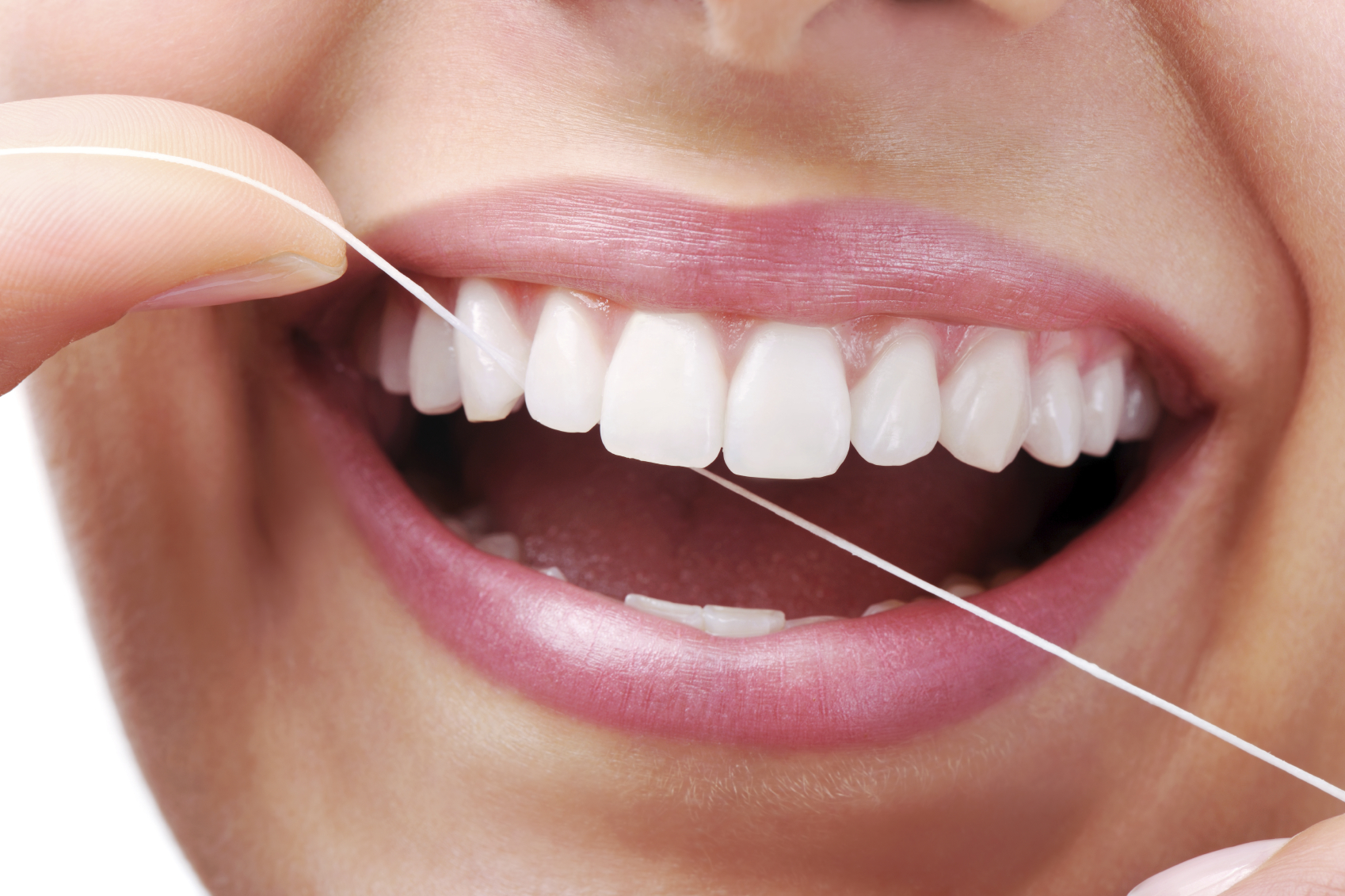
How Waxed Floss Can Help with Flossing

Fun Floss Facts: Why You Should Never Flush Dental Floss
How Waxed Floss Can Help with Flossing

There are many different types of dental floss that you can buy from your local store. Are you unsure of which type of floss is right for your teeth, if not then take suggestions from the dentists who follows holistic dentistry in Durango, CO because there are a few things you can go by to determine which floss is right for your teeth and gums.

How one certain type of floss may be the right floss for you. For many people, waxed floss is the ideal solution as it is easier for them to use and is typically more comfortable for them.

The Advantages of Flossing with Waxed Floss

Waxed floss is a common floss, a lot of people use to floss their teeth with it. This type of floss is covered in a slick coating that makes it easier to floss with.

The slick coating makes it a lot easier to move in between your teeth. This thick of a floss can also cause discomfort to some people depending on close their teeth are together.

It’s actually better to find out which floss is best for your teeth so you will not be in discomfort while flossing your teeth. Here are some pros about waxed floss?

  • Waxed floss can make for a more pleasant flossing experience than what unwaxed floss can.
  • The waxed floss is stronger than unwaxed floss.
  • If you have a few sharp teeth and or small spaces, it will not break like the unwaxed floss would.
  • Some people don’t like the waxed floss so they stick with the unwaxed floss. But it actually depends on you; your teeth and which floss is most comfortable for you.

How to Avoid Getting Fillings Through Proper Oral Hygiene

Itchy gums: Causes, relief, and prevention
How to Avoid Getting Fillings Through Proper Oral Hygiene

Parents tell their children not to eat too many sweets or they will get cavities. They will tell their child to brush their teeth after a meal of the same reasons. These are the things that their parents taught them, and they are passing them along. But do they really know what they are teaching their children?

They are giving their children a basis for proper oral hygiene, but they may not know all that they need to. If they really what to see themselves and their children avoid getting cavities or fillings, they need to learn all the good oral hygiene practices.

Start with the Basics
The most basic part of good oral hygiene is brushing the teeth. It is not only important to brush the teeth, but it is also important to know how to do it and when to do it. The purpose of brushing the teeth is to remove the food and debris that gets on the surface of the teeth. That means it needs to be done at least twice a day after meals. Brushing the teeth with a mild toothpaste should take about 2 minutes. Brush all the teeth and the tongue every time.

Along with brushing, it is important to floss. Flossing removes the debris between the teeth that the brushing fails to get. Flossing should happen daily.

Some of the Extras
In addition to brushing and flossing, there are a few other things to do to avoid fillings. A balanced diet that provides the vitamins and minerals is important. Candy and other foods full of sugar do not usually have much value nutritionally and it is a good idea to limit them. A mouth rinse with fluoride is another good way to protect your teeth. This is instructed by experts of holistic dentistry in Durango, CO.

One other thing people do not think about for their oral health is water. It is a good idea to drink fluoridated water to help avoid fillings. Not all bottled water contains fluoride and is not helpful for your oral health. Fluoridated water not only helps rinse the teeth and gums, but also protects the teeth from bacteria growth that leads to cavities and fillings.

Maintaining good oral hygiene practices is not difficult. It is a habit that you can learn at a young age. When you do practice these habits, you will avoid fillings.

Problems with Your Teeth Associated with Heart Problems

Cardiovascular disease: Types, symptoms, prevention, and causes
Problems with Your Teeth Associated with Heart Problems

You have probably heard that the health of your teeth is closely associated with your body’s health.

With more research scientists have discovered that oral health and overall health are closely linked, and when you don’t take care of your teeth, the rest of your body could be at a higher risk for some severe diseases such as heart conditions.

The Link Between Plaque in Your Teeth and Plaque in Your Arteries

The main goal of holistic dentists in Durango, CO is to keep your teeth and gums as healthy as possible, but some patients are reticent for many reasons. Dentistry has become more critical with discoveries that link dental conditions with other health problems such as cardiovascular disease or diabetes.

Many patients avoid visiting dentists because they feel like they are lecturing them when they tell them about how important it is to care for their teeth. In some cases, the visits stop altogether, and this is extremely concerning. Being informed of new information about your oral health is key in staying healthy.

Scientific research indicates the strong possibility that tartar buildup could be a symptom of heart attack. Along with other things such as genetics, overall health, weight, and other considerations, need additional testing and monitoring.

One of the most alarming statistics in dentistry is that approximately 70-percent of adults suffer from gum disease, which is an inflammation of the gums. This could also indicate the presence of heart disease and increase the risk of a heart attack or stroke.

While evidence of a link is there, still no conclusive study that suggests gum disease can cause a heart attack. More research is needed to determine precisely how the two conditions affect each other, but the goal is to keep your mouth healthy, so you reduce your risk for other diseases in the rest of your body.

Damon Braces – A Revolutionary Invention in The World of Dentistry

Damon Braces - Orthodontic Masters
Damon Braces – A Revolutionary Invention in The World of Dentistry

One should often accept their imperfections, but people don’t have to live with imperfect teeth. Though everyone is aware, ‘No smile is perfect, no face is flawless’, still one is constantly in pursuit of the most perfect smile.

It may sound a bit judgmental when a person say a nice smile is more attractive and signals better health and positive emotions but the reality is, in our perception of people, outward appearances matter.

In recent times, with the technological advancements in orthodontics, there are some patients in the picture who have an increasing desire for aesthetic dental materials. Now use of innovative technologies under holistic dentistry in Durango, CO is on top to straighten crooked and crowded teeth, bad bites and misaligned jaw bones.

One such remarkable invention is the Damon braces that have clearly made a revolutionary transformation in the world of dentistry.

The clear Damon braces in comparison to the conventional ceramic and metal braces are more effective and faster in correcting crooked and crowded teeth and also less visible to others. With a wider and a fuller smile, you can now look youthful with better and healthy teeth as well.

The treatment is fast without extractions because of the self-locking mechanisms which do not use any elastics or ligatures. The brackets on the teeth continually work to correct the alignment of the teeth.

The treatment is typically shorter than other methods with outstanding comfort for people of all ages. No doubt, Damon braces change the way you smile, look and even feel.

Design a site like this with WordPress.com
Get started