Electric Toothbrushes: Are They For Everyone And Are They Worth The Investment?

Electric toothbrushes for effectively maintaining oral hygiene | Most  Searched Products - Times of India
Electric Toothbrushes: Are They For Everyone And Are They Worth The Investment?

There are dozens of types of toothbrushes on the market today, which can make toothbrush shopping a lot more complicated than it needs to be. This goes for both manual and electric toothbrushes; so, which should you choose? Also, are power brushes really worth the extra money? Today, I’ll answer all of your pressing questions about the mighty electric toothbrush.

Manual Brushes: Out with the Old, In With the New

Is there something wrong with using a good old manual brush? The short answer is no. Humans have been brushing manually for ages, and it is still possible to effectively brush your teeth using one today. So, why reinvent the wheel if the wheel still works? Well, technology pushes us to innovate and constantly drives us forward using better materials and designs that help us accomplish things more conveniently. In this case, brushing our teeth and gums properly.

It’s not a question of whether or not manual brushes are useful or effective at brushing our teeth, but rather, are we using them properly? With the proper technique and routine, manual toothbrushes and floss are perfectly fine to help prevent tooth decay and gum disease. However, many of us make the mistake of not brushing for long enough or not using the proper technique to clean our teeth and gums properly.

The Benefits of an Electric Toothbrush

Electric toothbrushes are able to clean at up to 30,000 strokes per minute compared to manual brushes that can only produce up to 200 strokes. The more strokes, the more plaque removed, the better. This fact can be a pretty convincing one if you are on the fence about the usefulness of an electric toothbrush.

In addition, electric toothbrushes can reduce 21% more plaque and 11% more gingivitis after three months of use. Plus, many electric toothbrushes have a 2-minute timer built in to let you know when you have brushed your teeth for long enough.

Electric toothbrushes help to stimulate the blood flow in your gums, which helps keep them healthy and less likely to bleed or become swollen after brushing or flossing.

Your Dentist and Hygienist Will Notice the Difference

Your hygienist will definitely notice the change in your oral care routine, as there is a big difference between those patients who use an electric toothbrush and those who don’t. Oral hygienists and dentists alike recommend using electric toothbrushes for many of the benefits that they see in their patients who do use them.

Is the cost worth it?

The cost might be a big factor in stopping you from getting an electric toothbrush, so will it be a worthwhile investment for you? In the long run, if using an electric toothbrush means you will brush your teeth more and for longer, that means you are less likely to get cavities or gum disease, which are big expenses. This means that the lifetime value of your electric brush will be worthwhile in the end.

If you are an expert at brushing and flossing using the best technique, and you have never had issues with cavities, tooth decay, or gum disease, then you are most likely fine. However, if you’re like a majority of us, then going with an electric toothbrush is the best option.

Who will benefit the most from using an electric toothbrush?

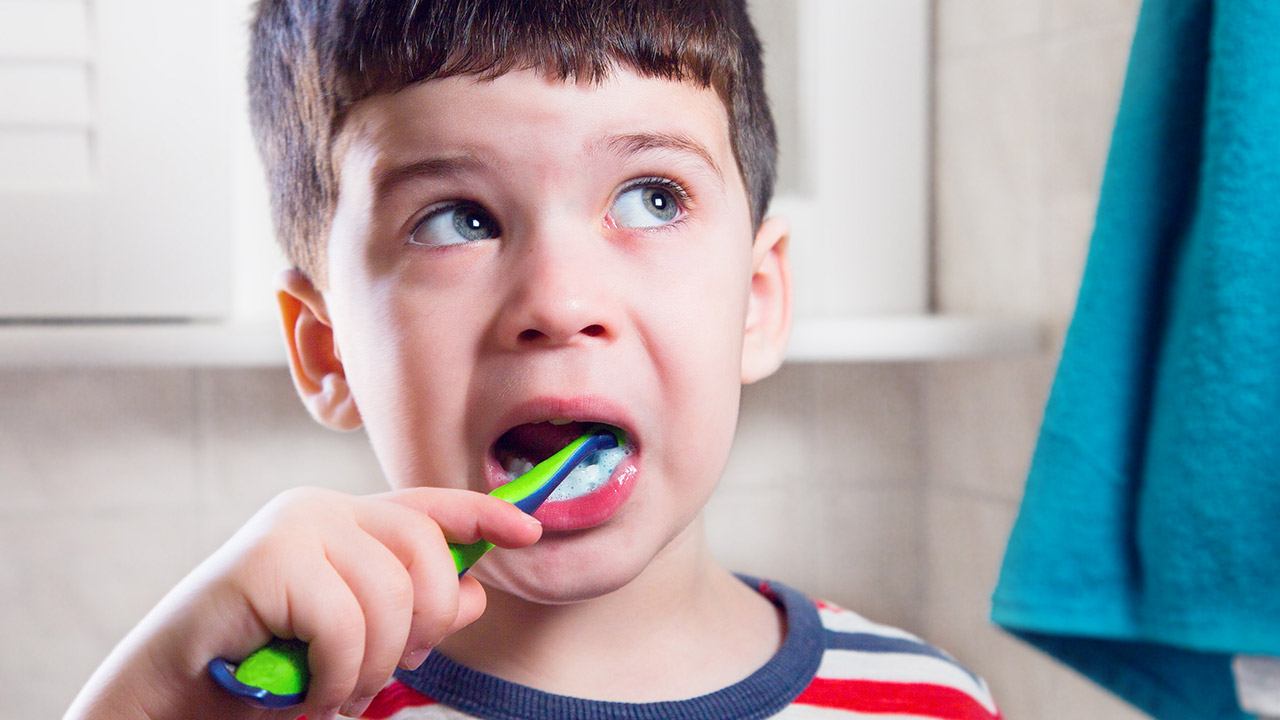
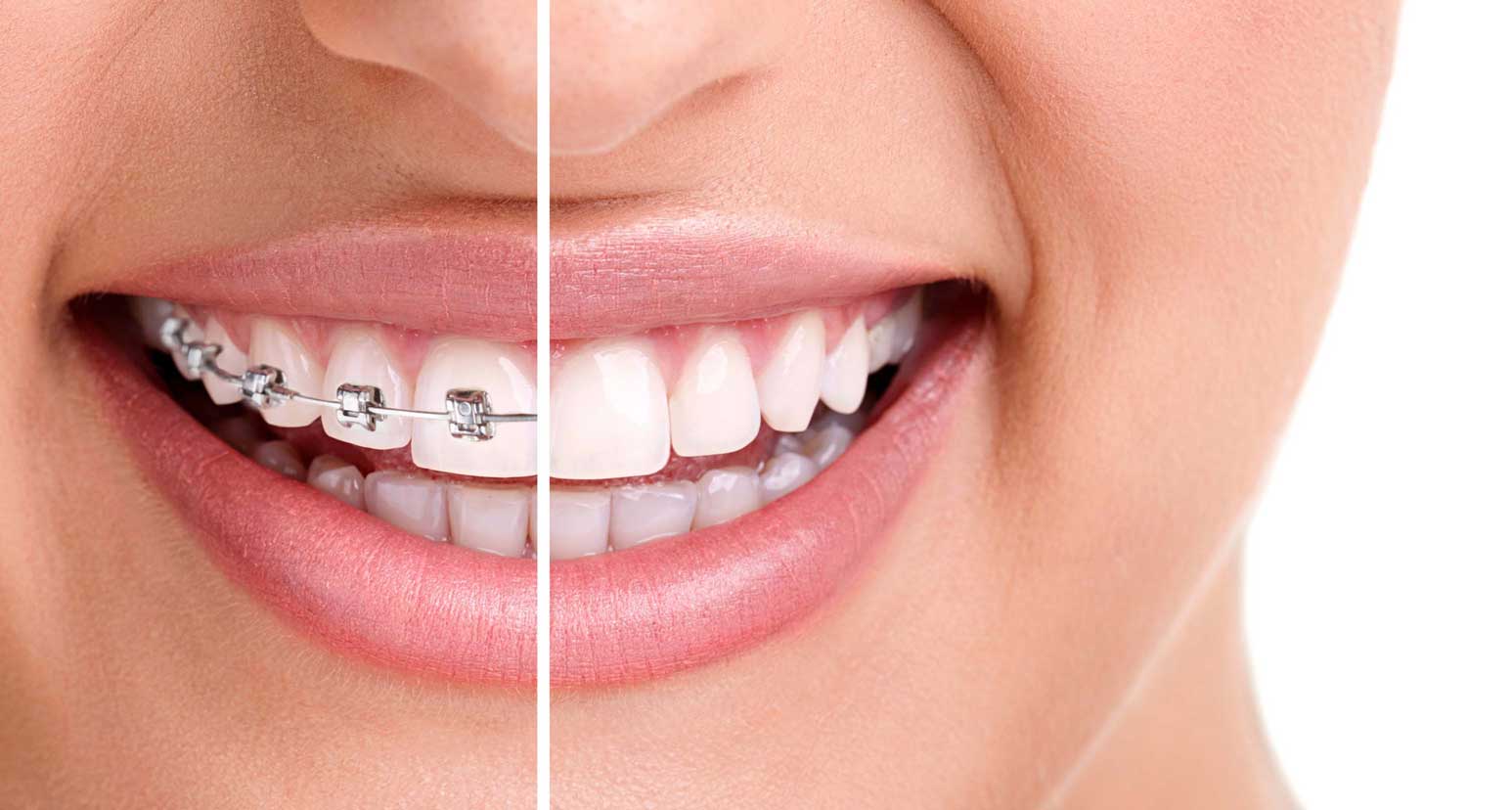
Electric toothbrushes can be helpful for certain groups of people, like those who have trouble using their hands or who have poor hand-to-eye coordination. Electric toothbrushes can also help children make brushing their teeth more fun, while also helping them clean their teeth properly. People who have braces will also be able to clean in and around the metal parts of their braces more easily using an electric toothbrush. Lastly, lazy brushers might have electric toothbrushes recommended to them by their dentist.

There are some cons that come with getting an electric toothbrush. For one, you need to keep in mind that once you purchase your electric toothbrush, the expenses do not stop there. You will need to keep buying replaceable brush heads for it as often as you would switch out your manual toothbrush for a new one. Using an electric toothbrush might also lead you to believe you are brushing better, but without the right habits and amount of time, this might be a false sense of accomplishment. Electric brushes also tend to be heavier and bulkier, which can make bringing them along with you while travelling more difficult.

These are all things that you should consider when deciding between a manual and electric toothbrush. If you’re still not sure which one would be best for you, then you can ask the best dentists in Durango, CO the next time you see them.

How To Clean Your Teeth The Right Way

What's the easiest way to clean between your teeth?
How To Clean Your Teeth The Right Way

You’ve probably been brushing your teeth the same way since you were a young child. However, what if you didn’t learn about the proper techniques to make sure that the time you spend brushing is effective? Just because you move the bristles along the surfaces of your teeth doesn’t mean you are doing it right, and it seems like the proper brushing technique isn’t usually something someone teaches you.

Our oral hygiene is one of the most important factors in the overall health of not only your teeth, but also your entire body. Having clean, healthy teeth helps to ward off tooth decay and gum disease. It also plays a big role in preventing other diseases in your body. Cleaner teeth look better, are healthier, and function better, so this is why it’s important for you to understand the best ways you can take care of them.

Everyone needs help to brush better. To make sure you are getting the most out of the time you are spending brushing, here are a few ways to achieve the perfect brushing technique.

Brush After Every Meal If Possible

The first thing we do when we roll out of bed is stumble to the bathroom to brush our teeth. The next thing we usually do is eat our breakfast right after. This sort of defeats the purpose of brushing, since your teeth will stay dirty until you eat your lunch. If you switch your morning brushing routine to take place after you eat your breakfast, your teeth will stay clean for 4 hours until you eat your lunch.

When it comes to keeping your oral hygiene up to par, the goal is to keep your teeth as clean as possible for as long as you can!

Brush Your Teeth for at Least 2 Minutes Every Session

Two minutes is the ideal length you should aim for each time you brush your teeth. Two minutes can seem like a long time to brush, especially if you are a busy person, but this amount of time allows you to make sure that you are reaching every part of your mouth. This is just as important as the time you take for brushing itself.

If keeping track of time is hard for you, try setting an alarm or putting on your favourite song to brush along to.

Use Dental Floss

Flossing is often a neglected part of the process of oral hygiene care. However, dental floss is an incredibly important item for cleaning in between your teeth where most of your food debris builds up. This debris eventually forms into plaque, which damages your enamel and leads to tooth decay. Dental floss is one of the best ways you can remove this debris.

Learn the Proper Tooth Brushing Technique

You should keep your toothbrush at a 45 degree angle to your teeth, as this is the best position for you to remove bacteria, plaque, and any leftover food from your mouth. In addition to brushing at the right angle, you should also learn the correct way to move your brush. I do not recommend brushing your teeth in a back and forth motion. The best motion to follow is one that moves in a circle since it will help you remove debris both horizontally and vertically.

Use a Toothbrush With Soft Bristles

Is your toothbrush quite hard to the touch? If so, then you could be doing irreversible damage to the surfaces of your teeth. Even though your teeth might feel hard as rock, they are pretty fragile, and they can be scratched and damaged by stiff bristles. This is known as traumatic tooth brushing. So, it’s important for you to choose a toothbrush that has soft bristles. The softer you can find, the better. Soft bristles are better at sweeping away the plaque, which builds up on your teeth without degrading your tooth material.

Understand Where Your Problem Areas Are

Some common areas that need more attention when brushing can include your last molars, dental implants, bridges, or lingual wires. These areas trap plaque easily and require more time with brushing. Your dentist will be able to point these areas out to you during your check-ups, and they will also be able to give you advice on how to clean around those areas.

Consider Buying an Electric Toothbrush

Electric toothbrushes have many great features that can benefit a lot of different types of people. Using one can help those with poor hand-to-eye coordination, like young children, elderly people, and those with disabilities. Some individuals might choose an electric brush because it’s more convenient and can give you a better clean than using a manual brush. You should look for one that has soft bristles and an automatic stop if you press too hard.

Eat a More Balanced Diet

Instead of going for a bag of sugary candy that will get stuck between your teeth, why not opt for something that has less sugar in it? Carrots and celery sticks are great for the health of your teeth because they are fibrous, and chewing on them simulates tooth brushing. Reducing your sugar intake can do wonders not only for your teeth, but for your overall health as well.

Don’t Forget to Visit Your Dentist

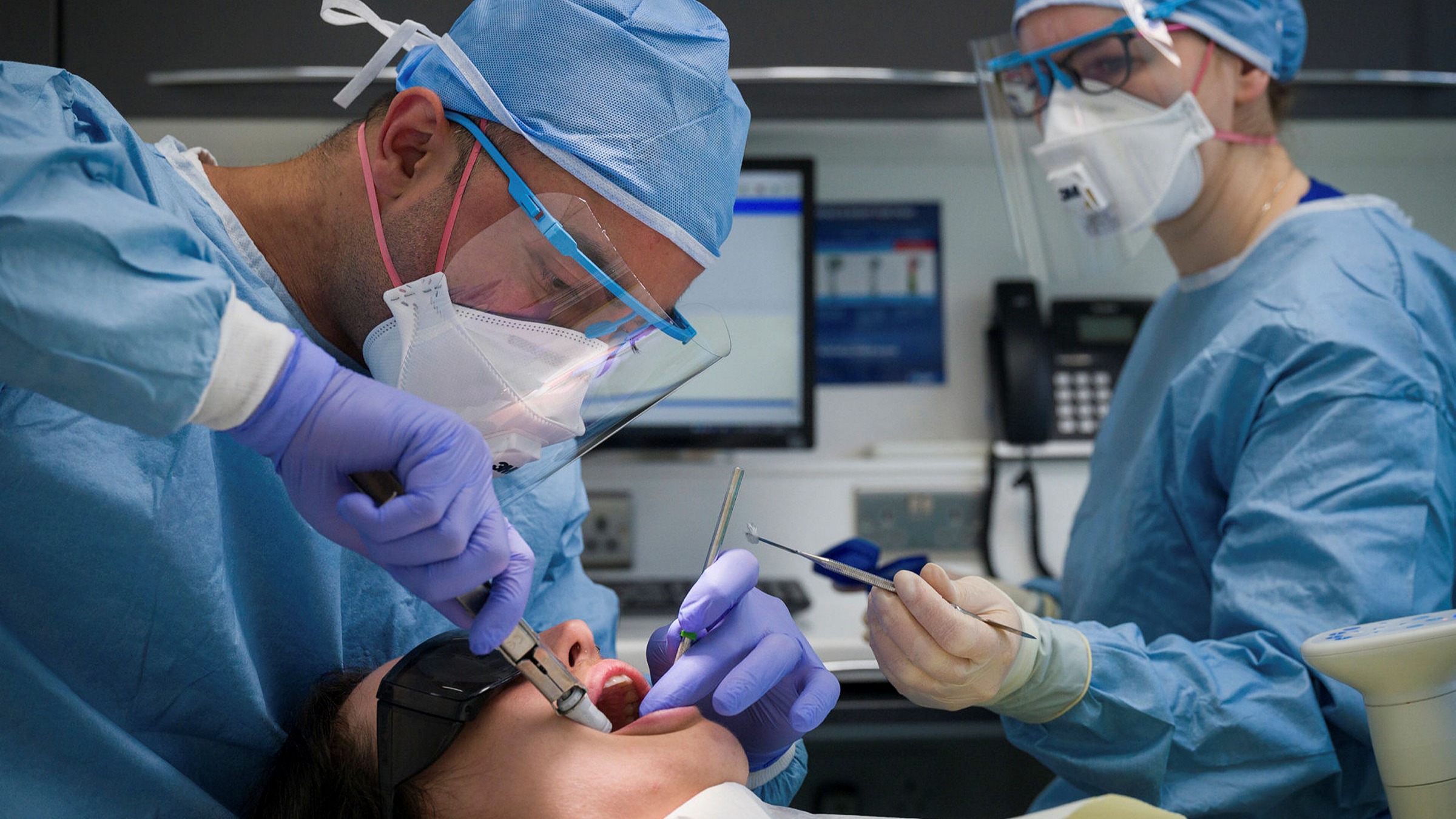
Even if you’re the best tooth-brusher in the world, you still need to visit the best dentists in Durango, CO. It’s important to take regular trips to your dentist to make sure that your oral health is in tip-top shape and there are no new developments. Sometimes, even though we might think we are taking great care of our teeth, we are missing certain spots without noticing. If this is the case, then only an experienced dentist will be able to help you identify and resolve those issues.

World Patient Safety Day and increasing awareness about dental quacking

Dentists warn of looming recruitment crisis in UK | Financial Times
World Patient Safety Day and increasing awareness about dental quacking

While visiting the dentist can be uncomfortable, it is important that the patients are well-informed when choosing a provider. Ahead of World Patient Safety Day on Sept.17, I want to raise awareness about an issue that many may not have heard of: dental quacking.

Medical quackery is defined as the act of practicing medicine based on false facts. Quackery in multiple medical fields has been practiced starting from the Middle Ages, peaking in the Renaissance. Charlatans — individuals taking an interest in science and spewing medical terminology to gain popularity — were booming. During this time period, individuals who participated in quackery were not arrested, despite the poor treatment of their patients due to a 1645 physician law, according to an article in the Journal of the California Dental Association. 

Today, quackery is usually present in rural areas of countries or places where there is lack of access to effective treatments, as well as a lack of awareness and financial means among patients. According to a January 2015 study, many patients who visit the dentist cannot afford it because they do not have insurance or the income to support it. In many parts of rural India, for example, a large part of the population falls below the poverty line, so citizens tend to look for cheaper options when seeking medical and dental treatment, a 2017 study reports. 

Lack of awareness and illiteracy also play a significant role in why quackery in dentistry is still happening today. The 2017 study says that quacks prey on individuals who lack the knowledge and caution of what quackery is and how dangerous it potentially can be to the public. These “providers” draw people to their practices with the help of the inaccurate knowledge they spew to their unsuspecting patients, promising to solve their needs.

However, there is a solution to prevent such things from happening to the patients, and that is education. We need to raise awareness of what dental quacking is, how big a danger it can be to the patients and how to look for signs to identify one. The News Minute reports that the first thing all patients should do is check the qualifications of their dental providers and look for red flags, such as the “provider” insisting on pushing medications instead of running tests. 

We need to teach the public to not be afraid to ask medical professionals about their treatment plan because, at the end of the day, if they know what to do, they shouldn’t have a problem explaining it to you. Knowing when and where dental quacks can pop up and how to avoid them is crucial to the safety of the patients. 

You should be aware of dental quacks. Seek out the best dentists in Durango, CO if you have any dental related problems.

Benefits of a Beautiful Smile

7 Benefits of Smiling and Laughing that You Didn't Know About | Personal  Care Dentistry
Benefits of a Beautiful Smile

Did you know that you are twice as likely to be hired for a job over your competition if you have straighter teeth? That’s just one benefit of making a change to your smile, and there are many ways to do it! Do you want straighter teeth? Whiter teeth? Want to fix a chip or a single tooth that is the wrong way? You can! Find out what small changes that you can make to your smile that make a big difference to your confidence and appearance!

Common Issues with the Teeth and Gums

Did you know that tooth decay and gum disease are some of the most common “chronic diseases” Americans face today? Over 64.7 million Americans—which is only including the adults—have some form of gum disease. Millions more have tooth decay, which you know by the name “cavities”. Those issues come straight from what you are eating and how well you are caring for your teeth. There are dentists all over the United States and plenty of oral health tools to help your smile be beautiful instead of damaged.

How does your smile become damaged due to dental decay? It’s generally through your own day-to-day actions that your smile will take a hit. There are various—and to be honest easy—guidelines the American Dental Association has to help you keep a beautiful smile. Those who don’t follow those simple steps will find themselves with a smile that has decay, possible gum disease, bad breath, discoloration, thinning and more. So yes, your smile can become “ugly” without good oral hygiene.

Good Oral Hygiene

Want to avoid an unsightly smile? Follow these easy steps:

  1. Brush your teeth every single day, at least twice a day, if not after every meal. This is because with each meal, sugar is introduced to your mouth. Sugar mixes with that bacteria, your mouth creates plaque and your teeth can decay. However, if you brush your teeth for at least 2 minutes every time, you buff and polish them, removing all traces of decaying, acidic plaque. Make sure to use fluoride toothpaste (which strengthens the teeth) and to brush before bed.
  2. Floss your teeth. This step is often overlooked by so many people, when it is just about as important as brushing. Flossing reaches about 40% of your tooth surfaces that brushing simply can’t get to. If you skip it, all that surface area can decay. Nobody wants black, decayed bits between their teeth! Floss 1-2 times a day (especially at night), using new floss each time. Floss up into your gum line and scrape the teeth gently as you go.
  3. Visit your dentist. This is the only time that a dentist can spot small cavities before they decay even more of your teeth. Those are easy to fix. Gum issues can be found long before gum disease sets in. Even oral cancer can be found with a quick exam. Visit the dentist at least twice a

How Important Is Your Smile?

You do all that daily work and it’s not wasted. You have two sets of teeth during your lifetime. However, your baby set of teeth fall out as soon as you start growing a bit more. From about age 12 and on, all of your teeth are likely permanent teeth. That means you have to last many decades with the same set of teeth without letting them decay. If not, you simply won’t have teeth.

Your smile is vital to making an impression on others and even yourself. Everytime you open your mouth you see your smile. You use your teeth every time you eat and even drink. The structure of your face is held together by your jawbones and teeth that create the natural facial shape. Without your teeth, your cheeks would be sunken in, as would the space below your nose and above your chin.

A smile says a lot about yourself as well. When other see that you have a great, healthy smile, they can infer that you take care of other parts of your health as well. Studies actually show that your oral health is an indication of your overall health. Many chronic conditions such as heart disease and diabetes are linked to your oral health.

When a chronic condition worsens, so does your oral health and vice versa. If you keep your oral health good through good oral hygiene, you can stop many complications of other health issues. You avoid illness more easily, you keep away lots of bad mouth bacteria and your teeth just plain look better.

Benefits of a Beautiful Smile

With a smile, appearance can be everything. Studies show that others make an overall impression of who you are within 3 seconds of meeting you. That impression can stick with them forever, so it’s important to make a good one.

Studies show that people who have a straighter, healthier smile are often perceived as healthier, wealthier and more attractive. They are more likely to get a date and to even land a job over someone that has a crooked or unhealthy smile. Up to 73% of people would even trust someone more over a second person if the first had a healthy smile.

Studies about smiles have been done over and over with very similar results. Truly, a beautiful smile really can make a difference in how you are perceived. If your smile isn’t quite there yet, all is not lost. There are many different services you can get to make your smile healthier and more beautiful. Dentists in Durango, CO have services to help treat oral health diseases and cosmetic ones to whiten and fix your smile.

Sealants as the option for your teeth’s protection

How Often do You Need Dental Sealants? | Dental Sealants Pomona
Sealants as the option for your teeth’s protection

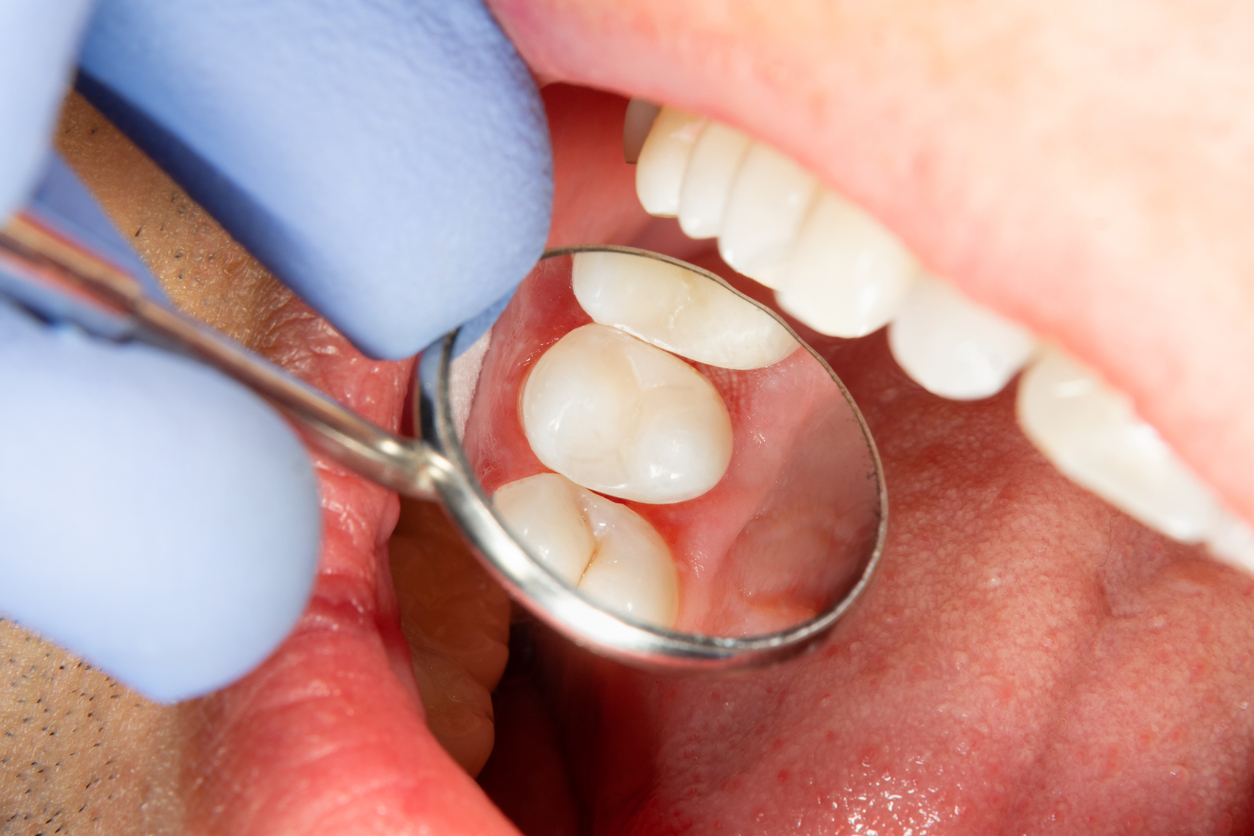
Dental sealants as their name suggest are a form of coating. They are plastic coatings that are painted on the surface of the teeth that is used during chewing. They are mostly placed at the back teeth being that the premolars and the molars are the ones used for chewing.

The sealants play an important role in preventing tooth decay by keeping the depressions and groves within the teeth out of reach for the debris that would have possibly clogged at these points. The sealants are thus a protective layer placed over the enamel of the chewing teeth.

It is obvious that brushing and flossing of teeth does not do enough to remove the food particles and the debris that stand to stock within the teeth especially those that have contours. It is for this reason that a cover of the teeth surface that is involved is necessary and important.

WHO NEEDS THE SEALANTS?

Children and teenagers are some of the people that need the sealants most. The chances of these groups of people to suffer tooth decay and damaged teeth as a result of clogging food particles and debris are high. This makes the need to put a coating over their teeth to cover the molars and pre-molars a priority. Adults who already do not have teeth problems also stand to benefit from the intervention. It is good as a protective measure.

Baby teeth play a critical role in holding the right placing for the permanent teeth. For this reason, in some cases, the sealants should be applied to babies when the baby’s teeth have depressions and groves and need to be maintained healthy for the expected teeth. You can thus say that sealants are good for everybody irrespective of age and condition of the teeth. If you can have them, you just go ahead, have them, and avoid the exposure to damage of teeth.

Sealants are good for people who have sensitive teeth because they protect the teeth’s enamel from the sensitive agents. Sensitive teeth and cavities can be cured through a visit to orthodontics who get to apply teeth sealants to coat the actual teeth. The teeth sealants applied by the orthodontics will cover the cavities preventing further decay of the teeth in a way that fluoride varnish will not be able. The fluoride varnish are not able to cover the gaps in the teeth making it an incomplete process that corrects but does not prevent further damage.

WHAT TO EXPECT DURING THE APPLICATION OF THE SEALANTS

The process of application of the sealants is easy and it is painless. Moreover, it takes only a few minutes visit to a dentist to have the sealants applied and every tooth sealed as required. You will first have the teeth that are to be sealed identified and cleaned thoroughly to ensure that nothing is left. Each of the identified teeth is then dried and kept dry. The teeth maybe kept dry by placing an absorbent cloth on top of the teeth.

After all this has been performed, an acid solution is applied to the surface that is usually used for chewing. The role of the acid is to roughen the surface to enable the bonding of the teeth. The acid is then rinsed and the teeth dried once the surface is ready for the sealant application. The sealants is then applied or painted on the enamel of the teeth. It bonds with the teeth directly on application. A curing light maybe applied to harden the applied sealant or it may be lift to dry on its own.

HOW LONG SHOULD YOU EXPECT THE SEALANT TO LAST?

You can have the sealant useful in your teeth for almost ten years. They will protect your teeth from decay during this period. However, you may have to have your teeth checked for chipping or wearing. The dental checkups will come in handy to protect the teeth from damaging as a result of cracks on the sealant.

The sealants will be replaced when necessary with the procedure being just as simple as the application only that they previous sealants will have to be removed. Dentists in Durango, CO can perform the procedure if you want to protect your teeth.

DENTAL HEALTH FOR YOUNGER CHILDREN

Dental care for children's teeth 3-5 years | Raising Children Network
dental health for younger children

It is important to begin establishing good dental health practices shortly after your child’s birth. Many dental professionals recommend you arrange a first visit to the dentist before your child’s first birthday.

However, good dental health begins before the first visit with your dental health professional. Many dentists recommend cleaning your baby’s gums after every feeding using a clean washcloth or a damp gauze pad.

Consult best dentist in Durango, CO or physician for specific details regarding your baby’s oral health.

Selection

You should plan to brush your child’s teeth until they are old enough to do a good job by themselves. Your dental care professional will help with toothbrush selection and technique.

Despite the fact that baby teeth loosen and fall out as your child grows older, they are very important to oral health. Baby teeth serve as placeholders for permanent teeth and need proper care and maintenance.

Proper amounts of fluoride on your baby’s teeth will help prevent cavities and tooth decay. Many communities add fluoride to the water supply, however you should ask your dental health professional if supplements are needed, such as in vitamins or direct fluoride treatments.

Major concern

A major oral health concern for infants and toddlers is the use of sugary formulas, fruit juices or soft drinks in bottles or “sippy” cups. Do not put your child down for naps or bedtime with a bottle of sugary liquid such as many commercial formulas or fruit juice drinks.

Your child’s baby teeth can decay the same as permanent teeth causing painful treatments and possible tooth loss.

Your good dental health choices when your child is young will help establish good habits and make it easier to enforce daily dental hygiene as they grow up.​

DENTAL HEALTH AND OTHER DISEASES

Dedicated Dental Blog | Oral Health & Bone Disease: Are They Rela
Dental health and other diseases

Your mouth contains many types of bacteria. Some are harmless, while others can cause health problems in your mouth or other areas of your body.

Poor dental health habits can let harmful bacteria attack your gums and teeth resulting in gum disease and tooth decay. Good dental health habits (brushing twice a day, flossing and regular visits to your dental health professional), prevent most harmful bacteria from causing problems in your mouth and others areas of your body.

Under a variety of circumstances, harmful bacteria can enter your blood stream through your mouth or otherwise spread to other areas of your body.

When this happens, there is the potential for serious health consequences. Likewise, health problems and conditions can cause problems in your mouth.

Health Risks

Here are some of the potential problems you could experience due to poor dental habits and some conditions that may affect your dental health:

  • Diabetes – Diabetes is a chronic condition involving many factors in your overall health, including a lowered resistance to infections. A lowered resistance to infections (bacteria) can produce gum disease and other problems in your mouth. People with diabetes are at greater risk for losing teeth thanks to potentially major gum infections.
  • Heart disease – Researchers suspect a link between poor dental habits and cardiovascular disease. Inflammation from gum disease (periodontitis) caused by oral bacteria may play a role in the connection.
  • Weakened immune systems – People with a weakened immune system may be more susceptible to infections of the mouth, which can spread to other parts of the body. People with HIV/AIDS may develop painful sores in the mouth, for example.
  • Osteoporosis – Osteoporosis is a condition in which bones become brittle and subject to fracture. The condition, which frequently appears in later years, may be connected to tooth loss and jaw bone loss.
  • Infections – Bacteria can move into your bloodstream due to gum disease. Infections can then spread to other parts of the body. 
  • Cancer – Oral cancer is a serious medical condition that requires prompt action. In its later stages, oral cancer can spread to other parts of the body. Tobacco use is a significant risk factor for developing oral (mouth) cancer.

Your best defense against the spread of infections and other medical problems from your mouth to other parts of your body are good oral health practices.​​ So visit the best dentist in Durango, CO regularly if you want to achieve good dental health.

After Orthodontic Treatment

How To Care for My Teeth After Braces or Invisalign Treatments.
After orthodontic treatment

While getting your braces removed is an exciting moment, it’s essential to remember the importance of aftercare following orthodontic treatment. Follow the recommendations of your dentist and remember to keep up with consistent oral hygiene practices. Here are a few things to keep in mind after orthodontic treatment to help preserve the alignment and appearance of your smile.

GET A PROFESSIONAL CLEANING

After removing your braces, there will be some residue on your teeth from the glue used to secure the brackets in place. Your dentist will gently remove this material during your cleaning session. They use various instruments to remove plaque or tartar buildup and then polish and floss your teeth as well.

TRY TEETH WHITENING

Another way to lighten stained or discolored teeth is by whitening them. The process starts with applying a professional-strength whitening gel. This gel works to remove the stains from teeth and is often activated by a special light. Teeth whitening may require several sessions to achieve optimal results. There are several benefits to teeth whitening, including:

  • Long-lasting results
  • A fast and convenient way to remove stains
  • Even color where brackets and wires sat
  • A safe and pain-free treatment

KEEP UP YOUR ORAL HYGIENE ROUTINE

Practicing oral hygiene is essential, especially following dental treatment like braces. Most professionals recommend brushing and flossing your teeth at least twice a day. Use mouthwash as well to further clean teeth and eliminate the growth of harmful bacteria. Be sure to rinse thoroughly with lukewarm water. 

WEAR YOUR RETAINER

When your braces are removed, it’s necessary to wear a retainer for a period to prevent your teeth from moving out of alignment. Simply rinsing the retainer with cool water and lightly scrubbing it with a toothbrush is enough to keep it clean. Here are a few more tips to keep in mind when you get a retainer:

  • Remove your retainer before eating
  • Keep your retainer safely stored in its case
  • Notify your dentist immediately if you lose or break your retainer
  • Heat can damage your retainer, so avoid rinsing with it hot water

WATCH FOR COMPLICATIONS

If you experience tenderness in the mouth after your braces come off, occasionally rinsing out your mouth with warm water can help alleviate discomfort. It’s not unusual to feel some tooth sensitivity as well. Some jaw issues may occur after orthodontic treatment, such as TMD (temporomandibular joint disorder). This condition can make chewing uncomfortable. Another complication that some people experience after orthodontic treatment is gum recession. Speak with your dentist if you have any symptoms that concern you.

Getting your braces off is a huge milestone. Protect all the progress you’ve made on your smile by practicing a steady oral hygiene routine and by wearing your retainer whenever you can. By following these tips, you will have a whiter, straighter smile well into the future. Get in touch with holistic dentists in Durango, CO for orthodontic treatment related queries.

How to Make Flossing Fun

How to Floss Kids' Teeth | Bitesize Pediatric Dentistry
How to make flossing fun

Many people have difficulty adhering to a flossing schedule. While dentists generally recommend flossing every day, it can be a struggle to stick to a routine, and some people admit they’d rather spend time scrubbing the bathroom than cleaning between their teeth. However, it is important to develop good dental hygiene habits, including regular flossing, to preserve your long-term oral health. To create a healthy and consistent dental hygiene routine, consider the following tips to make flossing fun for you and your family.

USE A FLOSSING CHART

Making a flossing chart is an innovative and easy way to ensure that you and your family floss daily. Make a flossing chart and hang it near your bathroom sink to serve as a reminder. A visual flossing schedule can help make oral hygiene fun in the following ways:

  • Track individual flossing progress using bright markers or fun stickers
  • Provide rewards when flossing goals are achieved
  • Create a fun flossing tradition that kids and other members of your family will remember

If you don’t know how to create a flossing chart, you can consult your dentist or search online for premade printable charts.

ALLOW YOUR CHILD TO PICK DENTAL SUPPLIES

Flossing with strings can be difficult for children and adults alike. However, since kids are still struggling to grasp the importance of flossing, make it fun for them by allowing them to pick their flossing supplies. For starters, they might not like wrapping strings around their fingers or find it difficult to maneuver strands of floss.

Therefore, an easy way to improve the flossing experience is allowing kids to pick child-friendly floss supplies. For instance, floss sticks are available in several bright colors, shapes, and flavors. Kids can even choose floss sticks featuring their favorite cartoon or superhero characters.

You can also encourage children to use a water flosser to avoid disposable floss and reduce waste. Water flossers are durable and easier to maneuver compared to conventional flossing methods. Kids can also decorate them with decals and stickers to create a more fun, personalized flossing routine

MAKE FLOSSING A FAMILY AFFAIR

Your kids won’t develop good dental hygiene if you don’t lead by example. If you want them to floss daily, ensure that you floss together. When an activity is difficult to remember or perform, doing it alongside other people can be fun and motivational. To make flossing a family affair:

  • Set a regular time: Developing a habit requires great consistency. Therefore, set aside a specific time for flossing every day. For this to be successful, choose a time when your family is together.
  • Provide a wide range of flossing options: Offer various floss options and let everyone choose their preferred floss. This will keep your loved ones excited and engaged about flossing.
  • Make it a game: Competition is a great way to breed success. Encourage your family members to compete against each other or time to make this tedious activity into a lively game. Create a scoring system and assign points to determine the winner. You can also introduce a fun song or story to accompany every flossing session.

CREATIVE WAYS TO MAKE FLOSSING FUN

Though it may not be the most exciting activity, flossing is important if you want to maintain good dental hygiene. By making it a more fun and engaging experience, you can help your loved ones create a solid foundation for excellent oral health. While encouraging good dental hygiene at home, don’t forget to take your kids for regular dental checkups with the holistic dentists in Durango, CO to ensure healthy dental development.

Your Back To School Dental Care Guide

Your Back To School Dental Care Guide | Jefferson Dental & Orthodontics
Your back to school dental care guide

It’s that time of year that has parents and kids going through a flurry of emotions. Back to school is fraught with anxiety and excitement for everyone, and it’s easy to lose track of some things, like dental check-ups and packing healthy snacks.

I get it. Back to school is stressful enough, so let us take a little off your plate. Step back, take a deep breath, and use this back to school dental care guide to make sure your child’s smile is picture-perfect.

Back to School Dental Check Up

Getting dental check-ups and teeth cleanings every six months is an important part of your child’s oral health routine. Think about how much your kiddo has grown and changed since school let out in the spring! Their mouths changed as well.

Maybe they would benefit from orthodontic treatment, or perhaps they developed early signs of a cavity. When your dentist sees your child regularly they can identify issues early to prevent bigger problems down the line. Plus, won’t it be nice to have a sparkling smile for school pictures?

Back to School with Braces

Many kids head back to school with new gear, but what if your child is going back with braces? As anybody with braces can tell you, oral care is different, especially when you first get started.

  • Make a plan for how your child can find time to brush after lunch.
  • Build a braces kit for school that includes a travel toothbrush, floss, toothpaste, and dental wax.
  • Plan for emergencies so that your child knows where to go and who to call.
  • If possible, have your child carry a water bottle to ensure they keep hydrated and rinse away debris and bacteria throughout the day.

It’s also important to discuss healthy eating habits with your child. Remind them what to avoid with their braces and be sure to pack braces-friendly snacks for good teeth!

Back to School Dental Care Tips and Teeth Friendly Snacks

Do you feel ready for back to school? Maybe these tips, tricks, and tooth friendly snacks will help you and your child feel better about heading back.

Top Dental Tips for a Successful Back to School Experience

Children of different ages face unique challenges with back to school, and it often disrupts those morning and night routines when you usually handle oral care. Try out some of these tricks to make those transitions a little easier without compromising your child’s oral health!

  1. Make time for that dental routine. Build a morning brush into your daily prep and do the same for bedtime. Don’t forget to floss! Consistency is helpful for kids of all ages, and it can be comforting for those struggling with new school schedules.
  2. Let your child choose their toothbrush and toothpaste. It doesn’t matter how old your kiddo gets, having some autonomy over even the smallest aspects of life can mean everything to them.
  3. Encourage drinking lots of water and avoid those sugary drinks.
  4. Have older siblings help. Big brothers and sisters can set examples for good oral hygiene, and take a load off you.
  5. Reward good oral habits, especially for younger children who need positive reinforcement.
  6. If your child plays sports, invest in a mouth guard for extra protection.

Remember, talking about oral health is important. When you openly discuss the reasons for brushing, flossing, and eating snacks that are good for teeth, you help your child understand why it’s important.

Snacks for Healthy Teeth

Lunchtime at school is one of the most social times of day, and also a critical point for providing your child with healthy foods to keep them going. Even if you don’t pack your child’s lunch anymore, it’s important to have healthy snacks on hand to encourage them to eat well.

Healthy Snack Suggestions for Elementary Kids

It’s tempting to toss in some gummy treats and flavored juice packs, but your child’s teeth could suffer. Elementary-aged kids are growing fast and need nutrients to support strong teeth and healthy gums.

Try swapping out the sugary foods and drinks for some snacks that are good for your teeth, like milk, cheese, and tropical fruits. Mangos and kiwi taste sweet but pack a lot of valuable vitamins.

Middle School and Teenage Treats

It’s about middle school that lunch becomes more about socialization than food, so it’s in your best interest to provide a collection of healthy snacks for your kid’s teeth. If they can munch on things that don’t embarrass them or detract from their social hour, they’re more apt to eat.

The best snacks for teeth are cucumbers, carrots, and celery. You can pair them with a dip or marinate them in an herb mixture overnight. Even better, those snacks are shareable which could help your kid’s teeth and their social life!

Final Thoughts on Back to School Dental Care

Phew! I can’t help with those supply lists or finding the perfect picture outfit, but hopefully, this guide takes away some back to school stress. Arming your child with everything they need to know about oral health is one step in preparing them for the future. In short, support a solid oral care routine and have plenty of tooth-friendly snacks on hand.

If you haven’t scheduled your back to school dental check up, that’s okay! There’s still time to book an appointment with the holistic dentists in Durango, CO to get your kids’ teeth sparkling for a boost of confidence as they head back to class.

Design a site like this with WordPress.com
Get started