How Mouth Health Can Affect Whole Body Health

How Mouth Health Can Affect Whole Body Health

Imagine a sunburn that occurs on the inside of your body. That’s a way to think about the whole body effects of inflammation.

Inflammation is how your body protects itself from infection, illness, or injury. The increased production of white blood cells and a ramping up of the immune system are often accompanied by redness, pain, heat and swelling.

The redness around a sliver, paper cut or a sprained ankle are classic signs of acute (short-term) inflammation. It’s part of the natural healing process.

However, problems emerge when there is chronic (long-term) inflammation throughout the body. Which often starts with our mouth.

Many Modern Diseases Start Here

Chronic inflammation appears to be a factor in a wide range of health issues. In fact, it has been found to be a player in virtually every chronic disease. Many which are considered lifestyle diseases resulting from our dietary decisions and personal hygiene:

  • Cardiovascular disease
  • High blood pressure
  • Diabetes
  • Cancer
  • Fatty liver disease
  • Osteoarthritis
  • Depression

It surprises many to learn that many of these conditions start with our mouth—and what we put into it.

A decade ago, a physician who encountered these conditions wouldn’t have thought to look in a patient’s mouth, but today there is a growing awareness that mouth health can directly affect whole body health.

Common Sources of Inflammation

When our mouth is inflamed, our body is inflamed. And one of the most common causes of mouth inflammation is the bacterial infection of periodontitis. This is almost always the result of poor dental hygiene. Regular brushing, flossing and professional teeth cleanings can hold this source of inflammation at bay.

Another common source of whole body inflammation is our diet. Certain foods, particularly highly processed convenience foods, can place an inflammatory load on our bodies. Among them:

  • Large amounts of sugar and high-fructose corn syrup
  • Refined carbohydrates, such as white bread and pasta
  • Processed and packaged foods that contain trans fats
  • Vegetable oils that produce an imbalance of omega-6
  • Excessive intake of alcohol and preserved meats

Some of us exhibit an inflammatory response to substances that we commonly pass off as allergens. They might cause us to sneeze, break out in a rash, or in extreme cases, produce airway constriction or even anaphylactic shock. These might include:

  • Gluten
  • Pet dander
  • Mold
  • Latex
  • Insect stings
  • Nuts

By becoming more mindful of what stresses your immune system, and avoiding them, you can improve your overall health and well-being.

The Front Line of Detection and Prevention

One of the goals of today’s dentistry is to help patients prevent and reverse chronic disease. So we look for signs of inflammation on every visit.

Here are five indications that you may have a chronic inflammatory condition:

  • Body aches and recurring joint pain
  • Skin rashes, such as psoriasis or eczema
  • Constant throat clearing from excessive mucus
  • Low energy, despite getting sufficient sleep
  • Frequent colds, flu and other illnesses

If you, or someone you love, complain of these issues, schedule an appointment for a thorough examination with Holistic Dentists in Durango, CO. They will uncover the presence of inflammation and provide specific recommendations to improve the health of your mouth and entire body.

Your Teeth While You Sleep

Your Teeth While You Sleep

Humans spend about a third of our lives sleeping. While we rest, our body is in full repair mode, healing, cleaning house and preparing us for the next day.

However, nighttime is also when many of us experience dry mouth. When we wake, our mouth and throat feel dry and parched.

Dry mouth is common, especially in those over the age of 65. As we age, saliva production tends to decline as much as 40 percent. The result is more than uncomfortable, annoying and frustrating. Dry mouth can profoundly affect our oral health and well-being.

We need saliva to neutralize acids produced by bacteria that cause tooth decay. Saliva provides the first round of enzymes needed to digest our food. Bottom line? Dry mouth isn’t just a nuisance. It can affect our entire body.

There are two key issues at play here.

A Condition Called Xerostomia

The first is a medical condition known as xerostomia. This is when we lack sufficient saliva. Saliva makes chewing, tasting and swallowing our food difficult. Even talking can become challenging. Anyone who has gotten a dry mouth when public speaking can attest to the difficulty that comes with a dry mouth!

Dry mouth can occur when our salivary glands don’t produce enough saliva. Sometimes this means our body is dehydrated and lacks the fluid necessary to produce saliva. If this is the case, staying properly hydrated can help.

If you use a mouthwash before going to bed, avoid using one containing alcohol. Alcohol-based mouthwashes tend to have a drying effect on mouth tissues.

Dry mouth can be a side effect of certain medications, the result of radiation therapy, smoking and even diseases such as diabetes or Parkinson’s.

The Result of Mouth Breathing

Waking up with a dry, sore throat is often the result of breathing through our mouth rather than our nose. While we sleep it’s not uncommon for our mouth to drop open, permitting us to breathe through our mouth.

Mouth breathing can be due to nasal congestion, illness or certain structural abnormalities. If your nose is blocked, your body automatically resorts to the only other pathway that can provide oxygen — your mouth.

Mouth breathing can result from enlarged adenoids or tonsils or a deviated septum.
For those with sleep apnea it can become a habit to sleep with their mouth open. Besides an increase in periodontal disease and bad breath, mouth breathing can result in poor blood oxygenation and is linked to high blood pressure and heart failure.

Try These Dry Mouth Hacks

If you’re a mouth breather when you sleep, here are two ideas worth trying.

Nasal Strips – These adhesive strips are placed on your nose. Nasal strips are made of flexible, spring-like bands that stick your nose right above the flare of the nostrils. They slightly open up the air pathways, making it easier to breathe.

Mouth Taping – A better night’s sleep (and its health benefits) may be as simple as purchasing a roll of surgical tape from the pharmacy. Place a piece over your lips prior to retiring for the night. Fold back a small flap on one or both sides to facilitate removal in an emergency.

If you suffer from dry mouth get a professional opinion from the experts of Holistic Dentistry in Durango, CO and resolve this often overlooked health issue. Not only does it affect your teeth and gums, it can interfere with the quality of your sleep and your overall health and well-being.

Discover the Benefits of Clear Braces

Discover the Benefits of Clear Braces

Is this a new era of orthodontic treatment?

Over the last decade, new technologies in adult Orthodontic treatment has made incredible advances. Modern orthodontic appliances are lighter, smaller and more discreet as opposed to the notorious traditional metal braces. The fact is, most patients are looking for appealing options to correct their crooked teeth and bad bite. Doctors often come across adults who are hesitant to wear the traditional wire and bracket braces. For fairly discrete braces to the latest in aligner technology one should visit holistic dentists in Durango, CO because they offer a wide range of dental treatment for your teeth.

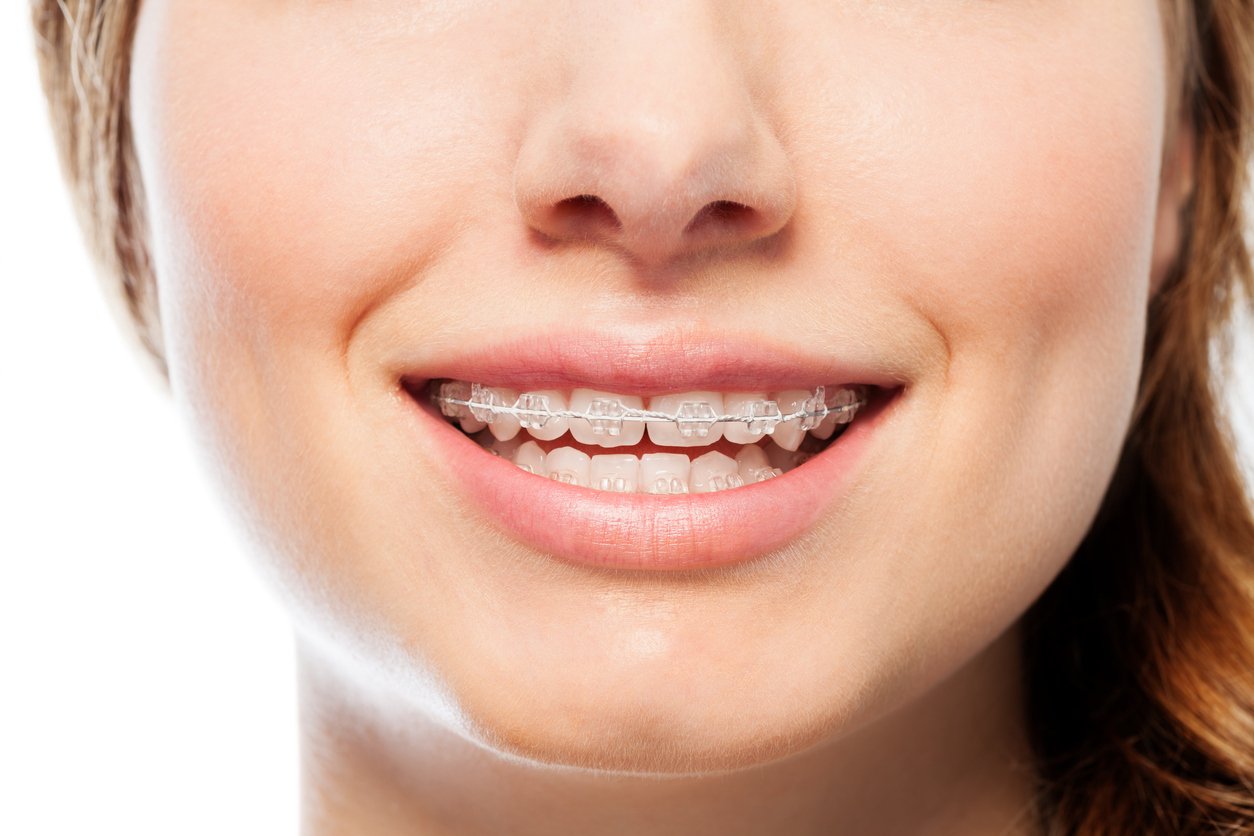
Clear braces – The clear solution to straightening teeth 

Invisalign clear braces are a popular option to straighten teeth with faster results compared to the traditional route that orthodontists used back in the days. However, one needs to exert discipline when wearing and removing the braces. The series of clear plastic aligners can be customised to a perfect fit. Invisalign was once futuristic and now is a vital component in orthodontic treatment. 

Benefits of clear braces 

  • With the unnoticeable feature of Invisalign clear braces, no-one will likely know that you are undergoing treatment to correct the alignment of your teeth. It is hassle-free as you can wear the braces to any place you wish to. From work meetings and formal events to dates and casual get-togethers, Invisalign is a great option for most adults. 
  • A beautiful and healthy smile with Invisalign can give you the assurance you need, to face social situations and is truly a morale booster
  • The braces can be easily removed for eating meals and at-home dental hygiene, making it comfortable and convenient for the patients.
  • Clear braces straighten teeth effectively with treatment results that are faster. Post-treatment, you will be surprised to see your teeth healthier in function and form.  
  • The snug fit ensures you do not run into a risk of periodontal issues. They do not include any sharp edges that may damage the teeth. 
  • Above all, you can smile, laugh, eat and talk at ease. 

Oral Health Tips: 4 Things to Do Everyday to Prevent Cavities

Is Tooth Decay Contagious? | Marcos Ortega DDS - Hillcrest San Diego 92103
Oral Health Tips: 4 Things to Do Everyday to Prevent Cavities

There are certain oral health tasks you should implement into your oral care regimen on a daily basis. The key to preventing cavities and other oral health concerns is keeping a consistent routine and ensuring the necessary dental care tasks are completed each and every day.

Oral health and cavity prevention

By fully understanding what the most important daily oral health tasks are and creating a routine to ensure they are followed, you can keep a beautiful smile that is free from cavities. The following are four of the more important oral health tasks to do every single day in order to prevent cavities:

1. Brush your teeth

The first and perhaps most obvious oral health task to do daily is brushing your teeth. By brushing your teeth, you are able to remove bacteria and food particles from the surface of teeth and prevent enamel erosion from taking place.

Be sure to make a concerted effort to brush the harder to reach sections of teeth. These include the back of the teeth, teeth that are farther back in the mouth, the gums, cheeks and tongue as well. It is encouraged to brush two to three times a day and do your best to stay consistent.

2. Floss and use mouthwash

One of the more important but often neglected oral health tips is using floss and mouthwash on a daily basis. Both floss and use mouthwash work to remove food particles and kill remaining bacteria that cannot be reached through brushing. When food becomes stuck between teeth, along the gumline and so on, brushing often fails to clean these areas and floss and mouthwash are needed.

By flossing and using mouthwash at least once each day, you give yourself a much better chance to avoid cavities altogether and continually show a beautiful, bright smile free of stains each and every day.

3. Use fluoride treatment

Fluoride is tooth enamel’s best friend. It works to strengthen the surface of teeth and be more resistant to acidic attacks that would otherwise cause the enamel to erode. Fortunately, finding fluoride treatment to implement into your oral health routine has never been easier. Perhaps the best way to ensure a proper amount of fluoride is received daily is to choose a fluoride-based toothpaste and mouthwash.

Individuals with severely weakened enamel may need a stronger fluoride treatment. Thus, it is helpful to talk to Holistic Dentist in Durango, CO to find out the best way to use fluoride in order to prevent cavities.

4. Avoid harmful foods

Sugar and many other carbohydrates may taste delicious, but they are not so great for our teeth. They can lead to cavities when too many harmful foods are consumed. Although it is perfectly fine to have a sweet snack once in a while, it is helpful to limit the intake of foods that can be detrimental to oral health.

If you do consume food that is known to increase the risk of cavities, then try and practice good oral health care afterward to minimize the risk.

What Does Gum Disease Look Like?

Color Changes to Your Gums | Boulder Dentist | Family & Cosmetic Dentistry  | Dr Ania Mohelicki
What Does Gum Disease Look Like?

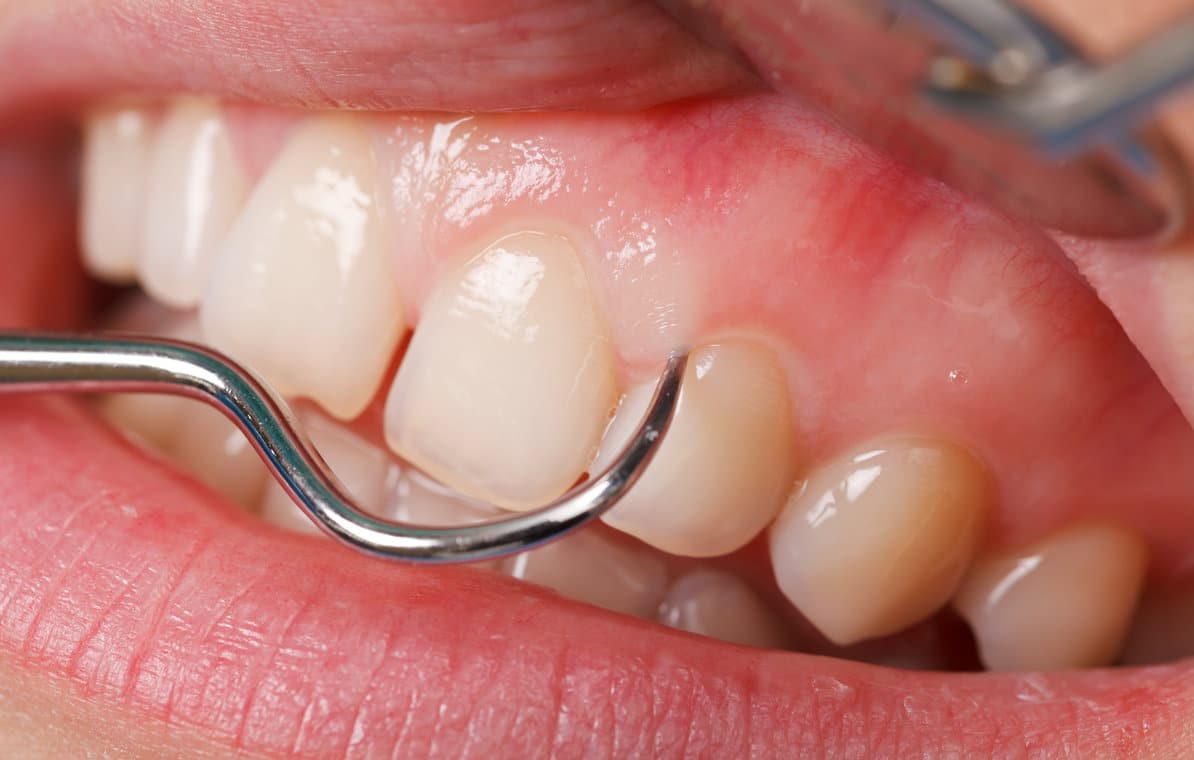
Oral health doesn’t mean your teeth alone. In order to keep your teeth in place, it is essential to have a strong foundation of healthy gum tissue and enough bone support. Any problem with your gums, or if you have gum disease, then it can affect these supportive structures. If left untreated, it can lead to teeth loss.

What are the symptoms of gum disease? 

Although to diagnose gum disease, it is essential to conduct a thorough dental exam; still, there are some symptoms you can keep in your mind:

Bleeding, Redness or Tenderness

These are considered the first signs of gum disease, along with inflamed gums. 

Chronic Bad Breath

If you notice an unpleasant smell, just after brushing and flossing, it might be because the deep “pockets” around your teeth, collect plaque and bacteria that cause odor. In healthy gums, these pockets are cleaned through brushing and flossing. Gum disease makes these pockets deeper. That makes it hard for you to keep them clean.

Abscesses

Abscesses are painful pimple-like bump or swollen areas on the gums that indicate infection. Visit your dentist if you notice any such abscess.

Loose Teeth

Usually, in advanced stages of gum disease, your teeth get loose over time, making them move even while chewing.

How can you keep your gums healthy? 

After an initial evaluation, the dentist will suggest necessary steps that might include both in-office treatments and home hygiene tips:

Scaling and Root Planing

In this procedure, the dentist cleans the tartar and bacteria from under the gumline and also smoothens the roots in a way that bacteria cannot re-attach to them, hence also known as “deep cleaning.” 

Periodontal Maintenance

In this process, the dentist provides specialized cleaning to the patients who have gum disease and also recommends 3, 4, or 6-month intervals according to the condition.

Excellent Homecare

Not just professional care, but homecare also plays a vital role. This usually includes brushing twice a day, flossing at least once, and using any special tools, as suggested by Holistic Dentist in Durango, CO for patients who suffer from gum disease.

Dental Anxiety – A Comprehensive Guide for Patients who Fear Dentists and/or the Procedures They Perform

Dealing with Dental Anxiety - Matthew L Bellafiore, DDS
Dental Anxiety – A Comprehensive Guide for Patients who Fear Dentists and/or the Procedures They Perform

Dental anxiety is experienced by – at least – 40 million individuals within the United States.

Based on information released from the College of Dental Medicine at Columbia University, most of those that experience the fear of dentists and the procedures that they perform neglect professional dental care and treatments as a result of the fear and the immense anxiety in which they suffer.

If you are reading this, it is quite likely that you experience dental anxiety, to one degree or another. In this guide, you will learn about this devastating condition.

What Causes Dental Anxiety?

Numerous studies have been performed to determine the underlying cause of dental anxiety. The following outlines the top findings among researchers:

  1. Direct Experiences and Personal Perceptions – Obviously, many have come to the conclusion that dental anxiety develops as a result of negative dental-based experiences; however, the general nature of this type of anxiety is actually much more complicated. Yes, negative experiences may have an impact on a person’s anxiety levels when it comes to the dental environment; however, the manner in which that individual perceives the environment seems to have a higher impact on their anxiety levels.For example, being placed in a reclining chair may make one feel powerless. Patients that are not familiar with dental processes may find the actions of the dental professional unpredictable. Additionally, performing actions within the mouth are a direct invasion of personal space.
  2. Treatment Consequences – The next cause of dental anxiety is often related to the specifics associated with the dental treatments. One may fear gagging, choking, injections, the sight of blood, and the inability to see what is occurring.
  3. Symptoms Associated with Previously Diagnosed Condition – Many may suffer from dental anxiety due to symptoms that are associated with other medical conditions.For example, the individual that is diagnosed as obsessive compulsive may have a fear of germs in the dental environment. One who is agoraphobic may experience complications being around people. One who has panic attacks may suffer from the fear of the unknown.
  4. History of AbuseWhile it sounds a bit odd to most, researchers have established that many individuals that have a history of abuse may experience severe anxiety associated with the dental environment. The history of abuse could have been sexual trauma, physical trauma, and/or emotional trauma.Psychology professionals feel this correlation stems from the feelings of powerlessness, helplessness, lack of control, anticipation of pain, and physical discomfort that often occur with those that have been abused at some point throughout their life.
  5. Fear of Pain – Finally, the fear of pain seems to directly affect those that suffer from dental anxiety. Today’s dental techniques have undergone considerable amounts of advancements. As a result, pain-free dentistry is becoming increasingly more common; however, not all patients know and understand this.As a result, people are scared of being hurt and believe that all experiences in the dental environment will result in severe physical discomfort.

What Are the Negative Effects of Dental Anxiety?

Research, dental records, and the increased prevalence of oral health issues have concluded that there are many negative effects associated with dental anxiety. The following outlines the most severe:

  1. Individuals that suffer from dental anxiety are likely to either delay or completely avoid visiting a dentist. In fact, it has been established that those that cancel or simply do not show up for the appointments that they have previously set for dental care are those that have the highest levels of anxiety in terms of dentists and the procedures that they perform.
  2. Those that have dental anxiety often spend more time in the dental environment, take longer to treat, and find the experience even more troublesome on both a physical and emotional level.
  3. Dental anxiety patients who avoid the dental environment often have poor dental health. The delay in visiting a dentist commonly results in more physical discomfort and having to undergo more complicated and potentially complex dental treatments.

Avoidance of the Dental Environment often Exacerbates Dental Anxiety

If you suffer from dental anxiety, it is important to understand that avoiding the dental environment could result in the worsening of oral health issues. If this occurs, you may require more intense procedures and treatments once you finally decide to go to the dentist.

Holistic Dentist in Durango, CO understand why you are scared of the dental environment and will work closely with you to ensure that your visit and treatment is as comfortable as possible. Allow them to work with you to optimize your dental health.

What Causes Stains on the Teeth?

Stains On Teeth: Can They Be Removed?
What Causes Stains on the Teeth?

Stains that occur on the teeth are a direct result of discoloration that results from substances that come in contact with the surface of the teeth, changes that occur with the material that makes up the teeth, or a direct combination of both of these factors.

According to dental professionals, there are three categories, as it relates to stains that develop on the teeth. Below, you will find a brief description of each of these categories:

Extrinsic Stains – These types of stains occur directly on the actual surface of the tooth. It stems from stain-causing particles accumulating on the protein-based film that covers the enamel of the tooth, itself. Examples of activities and products that have the capability of causing these types of stains include coffee, tobacco usage, drinking tea, colas, and the consumption of wine. Regular brushings and professional teeth cleaning services are usually able to successfully remove these types of stains from the teeth.

Intrinsic StainsThese are stains that develop below the tooth’s surface. These happen when products or factors cause stains that are able to penetrate the tooth’s surface and build up within the enamel of the tooth. While difficult, removal of these types of stains is possible. The most productive means of eliminating these stains is through professional whitening services offered at your dentist.

Age-Related StainsThe final category of stains related to the tooth are age-related. These often result from both categories of stains previously outlined. The dentin – which is the core of your tooth – goes through a natural yellowing process as you age. Additionally, the enamel becomes quite thin. As a result, the yellowing dentin becomes more noticeable.

Underlying Causes

Now that you are familiar with the category of stains, it is important to learn about the underlying causes of these issues. We have already mentioned a couple – certain types of drinks and tobacco usage.

In addition to these, certain food products may also cause stains. Any type of tooth trauma or disease that impacts the oral health could also result in the formation of stains on the teeth.

Furthermore, certain types of medications – such as those that treat high blood pressure and antipsychotics – can cause stains. Medical treatments – such as chemotherapy – may also result in the development of stains on the teeth.

Poor oral hygiene – such as not brushing and flossing appropriately – may also contribute to the development of tooth discoloration.

Removing Stains from the Teeth

The first step to removing stains from the teeth is brushing and flossing as outlined by your dentist. In most instances, it is recommended that you brush twice a day and thoroughly floss at least once a day.

The major goal of holistic dentistry in Durango, CO is to help you keep your teeth and gums healthy for a lifetime. By following oral hygiene, you have the best chance of making this goal a reality.

The Benefits of Fluoride Treatments

Fluoride is a type of mineral that aids in strengthening the teeth and preventing cavities. It helps to repair teeth that are within the early stages of tooth decay. This is because of its ability to fight against the effects of bacteria that produce acid around the teeth and the gum tissue.

If these bacteria are not treated through the use of fluoride, it will accumulate within the mouth and transition into plaque. Plaque has the distinct ability to break through the enamel, which is the protective layer on the teeth.

If this occurs, the bacteria then have the capability of infecting and harming the various nerves and the blood that supports each tooth, at its core. If you want strong, healthy teeth and a beautiful smile, it is essential that you receive fluoride treatments.

In this guide, you will learn about the many benefits associated with fluoride.

Types of Fluoride

To date, there are two main types of fluoride; topical and systemic. Those that can be applied directly to the teeth are referred to as “topical”. Examples include toothpastes that contain the mineral and professional dental treatments.

Fluoride treatments that are swallowed are referred to as “systemic”. Examples include fluoride supplements prescribed by a dentist and water that has been fluoridated.

In most instances, topical fluoride is an effective treatment; however, many dental professionals recommend a combination of both topical and systemic fluoride for optimal oral health.

Am I At Risk for Tooth Decay?

While it is important for all individuals to receive fluoride treatment for optimal oral health, certain people are more at risk for developing tooth decay. For these, fluoride treatments are a must.

The following outlines a few factors and situations that place you at high risk for experiencing oral health problems.

If you find that one or more apply to you, you should seek professional fluoride treatments immediately to avoid future complications:

  • Alcohol Usage
  • Tobacco Usage
  • Drug Usage (Prescription, Over-the-Counter, and Illicit)
  • The Presence of Dental Caries in the Mouth
  • Eating Disorder Sufferer
  • Poor Oral Hygiene
  • Orthodontic Treatment with Poor Oral Hygiene
  • Poor Diet
  • Dry Mouth Sufferer
  • Soft or Weak Enamel
  • Excessive Levels of Mouth Bacteria
  • Root Surfaces are Exposed
  • The Presence of Fillings
  • Defects Associated with Tooth Enamel
  • Receiving Radiation Therapy to Head and/or Neck
  • Not Receiving Regular Dental Care

The Benefits

Professional fluoride treatments are stronger and more concentrated than products that may be purchased over-the-counter that contain the mineral. When applied at the dentist’s office, it may be in gel, varnish, or a foam-based form.

When exposed to the fluoride, the minerals on the surfaces of the teeth will be restored. This helps to reverse and prevent erosion from the exposure to harmful bacteria. It helps prevent decay from worsening and makes your teeth stronger.

Combined with good oral hygiene habits, the fluoride treatments offered by Holistic Dentistry in Durango, CO can help you in preventing the tooth decay and other oral health problems from developing.

6 Ways To Look After Gum Health

Having good oral health isn’t always about having a straight and bright smile. Patients often forget about their gum health, and seldom understand how important they are for overall dental health. Unhealthy gums don’t cause pain, and hence, patients won’t be able to figure out whether their gums are weak or not. 

What is gum disease?

Gum disease is a dental condition that causes infection to the tissues across the gum line. Dental impurities in the form of plaque and bacteria may settle like a film-like substance in the areas of the gum and bone. This can lead to minor to moderate gum disease and tooth decay. Signs of gingivitis are inflamed, tender, red, or swollen gums that are prone to bleeding or breakage.

Periodontitis is the advanced form of gum disease. It affects the bones, gums, and tissues that are attached to your teeth. The condition is preventable, and there are a few ways to keep them healthy and functioning.

1. Floss Your Teeth Regularly

Flossing is a part of regular oral hygiene. It is essential to floss your teeth at least once in a day. Flossing helps remove plaque in corners of teeth that regular brushing can’t. 

2. Regular dental cleanings

Visiting your dentist often helps detect early gum disease. This helps treat symptoms before they become serious. Professional dental cleanings help remove tartar and other plaque. It’s easier to get rid of moderate gum disease by brushing, flossing, and dental cleaning. 

3. Avoid smoking and tobacco

Smoking tobacco can aggravate gum disease as it weakens the immune system making it difficult to fight off gum disease.

4. Follow regular brushing

Brushing the oral cavity after every meal helps remove food particles and plaque stuck between teeth and gums. Scrub and brush your tongue as it helps remove bacteria. 

5. Using a fluoride toothpaste

Avoid chances of gingivitis by using fluoride toothpaste. Make sure to use a fluoride toothpaste to brush your teeth, cleanse your breath, and whiten your teeth.

6. Using a therapeutic mouthwash

Therapeutic mouthwashes are a great way to reduce the chances of plaque build-up, gingivitis, and the development of tartar. Mouthwashes help remove food particles, debris, etc. from the mouth. 

If you think you may have gum disease, or are concerned about the state of your gum health, be sure to contact holistic dentistry in Durango, CO, the professionals there can help you in achieving a lifetime of good oral health.

The Connection Between Oral Health and Heart Health

Heart diseases are the number one cause of death among men and women in the US. Strokes and heart attacks, it seems, are just continuing to become more frequent. Cardiovascular diseases cause about 610,000 deaths per year, and the number seems to be rising every year.

You might be wondering – what does cardiovascular health have to do with oral health? Well, most of us are unaware that oral health plays a big part in the cardiovascular health of a person. If you have been ignoring your dental health, thinking that it is inconsequential, you could not have been more wrong. Your mouth is the gateway to the rest of your body, and you should do well to keep it healthy as it can lead to complications in other parts of your body, especially in your heart.

Heart to Mouth Health

According to a 2016 study by the Karolinska University Hospital in Sweden, people with bad oral health or periodontal disease (gum disease) are at a 28% higher risk of heart attacks and other related diseases. Why is this so?

Well, the plaque that forms on your teeth as a result of neglected dental hygiene is actually a form of bacteria. With the introduction of plaque to your mouth, it quickly finds a way to enter your bloodstream, where it deposits fatty plaque in your arteries and veins. This causes a build-up of plaque in the coronary arteries and blood clots in the heart’s blood vessels, resulting in thickened arteries. The blocked arteries are then incapable of allowing normal blood flow, and the oxygen and nutrients that the heart needs are restricted, which ultimately leads to heart attacks and other cardiovascular diseases.

The same happens when you contract periodontitis. This gum disease results in a fatty plaque build-up along the gum line, which leads to the same complication when it reaches the blood vessels.

How to Prevent Oral and Heart Diseases

While oral issues aren’t the only contributors to cardiovascular diseases, they are a culprit, too, and should be maintained as best as possible. Simply maintaining good oral health can bring down your chances of experiencing a stroke or heart attack substantially, and is definitely something you should be taking into account.

Regular dentist visits are the key to maintaining good oral health and hygiene. Make it a habit to visit dentist every 6 months. This will ensure that any oral issues that you may have been nipped in the bud before they get too serious. Holistic Dentists in Durango, CO can guide you when it comes to how you can care for your teeth and gums to prevent the build-up of plaque.

If you have a family history of cardiovascular diseases, then it is even more crucial that you take any measures possible to reduce your chances of following in the same line.
Other things you can do to lessen the appearance of plaque are brushing your teeth regularly, flossing regularly, brushing your teeth at the right angle to get to the corners of your mouth and to not scrub your teeth so hard that it starts receding the gum line and results in gum diseases.

Design a site like this with WordPress.com
Get started