How long does a professional teeth whitening last?
Teeth whitening is a non-invasive cosmetic or dental treatment. This means that through dental whitening we improve the aesthetics of the patient without negatively affecting the health of the teeth.
Best Dentists in Durango, CO state of the art technology and procedures to achieve the best results for each patient. Through our Zoom teeth whitening, it is possible to lighten the color of your teeth, achieving a bright and white smile that favors and rejuvenates your appearance.
What are the benefits of teeth whitening?
Thanks to teeth whitening, we are able to correct tooth color changes that may have been caused over time by:
Poor oral-dental hygiene
Patient genetics
An illness
Intake of some medications
Habits like smoking
Excessive intake of food that stains teeth
We are able to lighten and correct these color changes. We strive to provide personalized whitening methods that adapt to each patient. This is essential to providing a correct diagnosis and assessing the state of the patient’s teeth. We focus on the patient’s expectations and set treatment goals. From there, we design the perfect treatment plan to carry out.
Home Whitening:
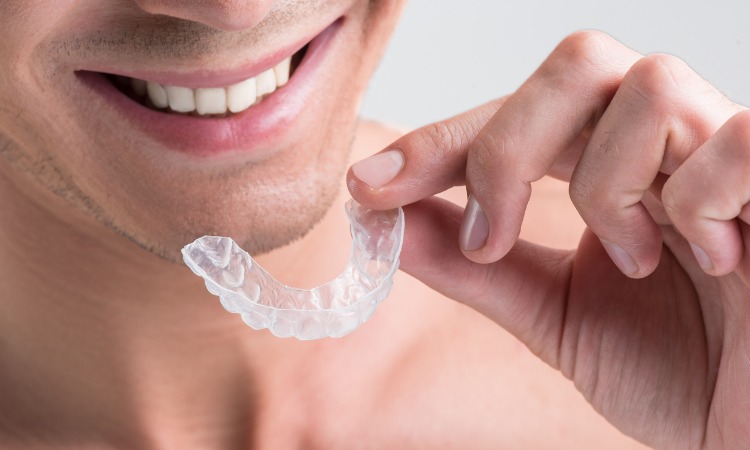
This is a treatment to be carried out by the patient at home through the application of whitening gels that the patient himself will place in personalized splints for him and these will be placed in the mouth during a specific period of time.
The splints are transparent, and vacuum made so that they adapt perfectly to the anatomy of the teeth and allow speaking without problems.
In clinic Zoom Whitening:
This treatment is carried out in the clinic in a single appointment of 45- 90 minutes. Our dental specialist will work wonders to provide amazing results in a single appointment. It’s common to whiten a patient smile’s an average of 8 shades.
How long does this type of teeth whitening last? Can complications occur?
A good whitening directed by specialists and performed with good products can achieve great results, which will also be stable over time. This does not mean that the color we obtain at the end of the treatment will be unalterable for the rest of our lives. We have to be aware that teeth whitening is a non-invasive treatment that is limited to lightening the color of the tooth without affecting its structure or vitality. Therefore, our teeth will behave like natural teeth and will acquire color depending on our habits: oral-dental hygiene, food intake that stains the teeth, smoking. Maintaining a white smile will depend largely on ourselves and how our teeth age with the passage of time.
The most common complication that can occur in whitening is the appearance of dental hypersensitivity associated with treatment. It is not dangerous, because when the treatment is withdrawn, the sensitivity dissipates in a short time.
To avoid this, the state of the patient’s enamel must be carefully taken into account when making the initial diagnosis. For these patients with dental sensitivity, there is a specific whitening protocol for sensitive teeth, through which the enamel is remineralized throughout the treatment while bleaching is performed. That is, the structure of the enamel is reinforced before and during bleaching. This prevents troublesome complications arising from the whitening procedure.
How to keep white teeth as long as possible after treatment?
After whitening, as we mentioned previously, long-term color maintenance will depend fundamentally on our habits: oral-dental hygiene, food intake that stains teeth, smoking … But it is true that there is a critical period that is 72 hours after the treatment. After the session, the enamel leaves the teeth very porous and is very susceptible to absorbing staining.
During those 72 hours, it is recommended to do what we call the “White Diet”, that is, to do without dark-colored foods that stain, such as chocolate, coffee, tea, red fruits, of course, no tobacco. The idea is to give patients all the recommendations in writing so that they have no doubts about what to avoid eating.
Once the treatment is finished, we recommend the use of a daily mouthwash that forms a protective film around the tooth, making it difficult for stains to adhere.
There are different alternatives for teeth whitening and easy color maintenance. The important thing is always a good diagnosis and putting yourself in the hands of trusted professionals.
How can you tell if your toothache can wait until your dentist’s normal clinic hours or if it is a serious problem that requires dental emergency care? Dental problems can come in all shapes, sizes, and severity of pain. Seeing a dentist is the best way to get immediate pain relief and proper treatment. It is important to know what requires immediate attention to prevent yourself from suffering more serious complications, which will cost you more money later.
Here’s a quick summary of the most common signs that you need dental emergency care.
1. Loose Tooth
As adults, you should never experience loose teeth. Your teeth have properly matured and grown sturdy. Loose teeth can be very painful and often indicate an injury. Whether it was from an accident or sport, you will want to ensure your teeth will remain strong and intact. Get an emergency dental appointment to check for nerve or jaw damage.
Localized infection can also cause the loosening of teeth. You must see a dentist immediately. Aside from a comprehensive oral exam, X-rays are often requested to determine the exact cause of the infection. Most of the time, it is either due to dental cavities or gum disease. Early treatment can prevent the spread of infection and emergency tooth extraction.
2. Severe Toothache
The severity of your tooth pain can also be a sign you need to see a dentist immediately. If your pain is just minor, a few home remedies should work instantly. If not, proper diagnosis and treatment are crucial to permanent relief.
3. Painful and Bleeding Gums
While it may seem normal for you to see your gums bleed after brushing or flossing, it may indicate early signs of gingivitis. See a dentist immediately, especially if the bleeding and pain is severe and accompanied by swelling. Catching gum disease early is the key to keeping them and your teeth healthy and intact. Gum disease occurs in stages, and treatment will depend entirely on what level you are at.
4. Swollen Jaw
A swollen jaw can be an indication of a serious infection. Most of the time, this is caused by a blockage in the salivary glands, preventing the proper breakdown of food and flushing out of bacteria. Patients often complain of fever, trouble breathing, painful swallowing, and a bad taste in the mouth. If you experience these symptoms, seek dental emergency care.
5. Dental Abscess
Any sign of a dental abscess should have you on your way to a clinic that offers emergency dental services. An abscessed tooth is extremely painful because it affects the root. It is often caused by a cavity left untreated or severe gum disease. It can also be due to trauma. Symptoms of an abscessed tooth are quite similar to a swollen jaw, except that there is pus. Complete draining and treatment may require surgery.
6. Canker Sore
Any lesions in the mouth that are not healing within 2 weeks is not normal. Call your dentist immediately, especially if it has already become infected.
7. Numb Teeth or Mouth
If you have been experiencing an excruciating toothache and then suddenly you started feeling nothing at all, it could be a sign that an infection has already spread to the root of your tooth. Numbness is never a good sign, and dental emergency care in the form of a root canal treatment may be in order.
8. Metallic Taste in the Mouth
Have you ever had a metal filling before? If your mouth starts tasting like one, it can be a sign that your old filling has loosened or cracked. It is important to visit your dentist immediately because an open cavity will increase the risk of infections. Your dentist will clear out any bacteria or infection and give you a new filling.
9. Lost Crown
If your tooth crown falls off, make an appointment to see your dentist as soon as possible. Keep the crown with you. This may cause you severe pain, and the application of clove oil using a cotton swab can be helpful. If this does not work, you may also try to slip the crown back over your tooth using an over-the-counter dental cement or adhesive, but never with super glue!
10. Broken Braces and Wires
If a wire breaks or sticks out of a bracket, it can poke your tongue, cheek, or gum. While you may try to push the wire back into a more comfortable position using a pencil eraser or put wax over sharp edges, it is best to get to seek dental emergency care. You may end up swallowing or breathing in cut wires.
Now that you know exactly what a dental emergency is and how much more it means than a mere toothache, you can pay better attention to what is going on in your mouth. If you have noticed any of the signs and symptoms mentioned above, make an appointment with your dentist immediately.
Best Dentist in Durango, CO offers emergency dental services, along with other holistic treatment approaches.
Top Reasons Why Holistic Dentistry Is Gaining Popularity
Going to the dentist has always been something that’s just a part of life. People don’t really question it, they just know they have to do it. Well, that’s assuming of course, that they want to maintain proper dental hygiene. What isn’t the norm, however, is that people now have more options than ever when it comes to dental care. That’s why approaches like holistic dentistry are quickly rising in popularity. Before we investigate why, we must first understand what it is.
What exactly is Holistic Dentistry?
The holistic dentistry method is an approach to dentistry that focuses on total health and wellness as opposed to strictly on the treatment of disease. While it is still rooted in modern science, it also incorporates knowledge drawn from other disciplines, such as natural healing. Synonymous names for it include biological dentistry, alternative dentistry and sometimes even biocompatible dentistry. It recognizes the patient as more than just another mouth to examine, but rather sees them as a whole individual (mind, body, and spirit).
Why Holistic Dentistry Is Better?
Why Holistic Dentistry Is Better?
Every dentist must successfully graduate from dental school. That means that all dentists have the same basic training. Once they’ve graduated from school, they become what is known as a general dentist. What separates dentists beyond that is if they pursue a subspecialty. Think along the lines of orthodontics, pediatric dentistry, periodontics, endodontics, etc… Holistic dentistry may not be a traditional subspecialty, but it is still a different school of thought and can be used as a supplement to general and cosmetic dentistry.
Specifically, a Best Dentist in Durango, CO would treat the patient with conventional dental care, while additionally providing complementary care. For example, a general dentist would focus on the specific problem you’re dealing with (let’s say a gum problem), while the holistic dentist would focus on your whole body health to determine the root cause. The specialty comes from pinpointing where the imbalance in the body comes from and then treating it with a combination of traditional dental treatments and natural remedies. The goal is to restore the patient’s whole health as opposed to just his or her oral health.
Holistic approaches to health are on the rise, and dentistry is no exception. Let’s take a look at why holistic dentistry is gaining popularity.
Evidence suggests that there’s a link between poor oral hygiene and common illnesses
As science evolves, more and more cases are being made to support that there is indeed a link between declining oral health and certain illnesses. Here are a few examples.
Stroke and Heart Disease – A surprising number of Americans don’t realize that they are living with periodontal or gum disease. What may surprise you even more is that a moderate or advanced stage of either is linked to heart disease. Oral disease and heart disease are linked by a spread of germs and bacteria through your mouth to other parts of your body via your bloodstream. Studies estimate that patients with gum disease and cavities are having strokes twice as often as people with good oral health.
Diabetes – We’ve already established that bacteria and germs from your gums can enter your bloodstream. This is of particular concern for people living with diabetes because those suffering from this disease are already prone to a variety of infections. The bacteria from gum disease can both increase blood sugar levels and effect the length of time it stays elevated. In turn, this makes the diabetes more difficult to control and may cause further complications. Managing blood sugar is critical. If not managed properly, there is an increased risk of gum disease, tooth decay, fungal infections, and dry mouth.
Pregnancy complications – In the case of pregnancy, the spread of germs and bacteria happen from the mouth through not only the blood but also the amniotic fluid in the womb, to the unborn child. This can result in an infection once the baby is born. It can also cause early contractions, premature delivery, and a low birth weight for the baby. In this case, poor oral hygiene is putting both the mother and unborn child at risk.
Osteoporosis – Osteoporosis is a disease affecting bone health. The disease is known to weaken bones and make them more prone to breaking. Since the mouth contains jaw bones, this means that those bones are also subject to being weakened or broken. There is a part of the jawbone that provides support to the teeth, which means that bone loss in this area can result in both tooth loss and loss of mobility.
Pneumonia – Every mouth contains a combination of good and bad bacteria. This usually isn’t much of a problem as both can live in balance. The problem occurs when the harmful bacteria grows out of control. When this happens, it’s possible for the bacteria in your mouth to be pulled into your lungs and cause pneumonia or other respiratory infections.
If you were to see a dentist and were told you had gum disease, you’d be given a list of steps to take to remedy the problem. However, if you were to see a holistic dentist, they’d look at the issue in correlation to the rest of your body. So, say if the dentist knew you had diabetes, they’d be able to give you a total solution to balance both issues through both proper oral care and nutrition. In essence, they are concerned with the underlying issue and not just the problem itself.
Holistic treatments are less invasive than traditional methods
Going to the dentist probably falls at the bottom of most people’s list. You’d be hard pressed to find anyone who actually enjoys going. In fact, many people are downright frightened to go. That’s because going to the dentist is often associated with painful treatments. However, one of the benefits of a holistic approach is that the dentist will provide patients with alternative therapies that focus on avoiding unnecessary pain and drawn out procedures.
It’s important to note that this does not mean sacrificing quality of care. Furthermore it does not mean that the treatments aren’t as effective as their more invasive counterparts.
Here are a few examples of treatments that do a great job of destroying germs and bacteria while being minimally invasive.
Laser Treatments – With bacteria being the biggest danger to oral health, laser technology can offer a non-invasive way to combat the root cause. Lasers are multipurpose devices that can give a broad spectrum treatment that will destroy microorganisms that are known to carry disease. If there’s a tooth or gum infection, laser treatment will be able to eradicate the problem, while simultaneously creating a regenerative environment for your blood vessels, nerves, muscles, and soft tissue to heal.
Air Abrasion – It’s probably safe to say that no patient is happy to see the drill come out while at the dentist’s office. If a patient needs a cavity filled, air abrasion can be used as an alternative to the traditional drill method. The abrasion tool lets out coarse little particles, along with air, to prepare the teeth for restoration. The treatment is so gentle that many patients opt out of using anesthesia. Another benefit of this tool is that it leaves the teeth nice and dry, which permit fillings to bond to the teeth more easily.
Ozone Therapy – Ozone therapy is an alternative dental method that kills bacteria using a super charged form of oxygen. It has the ability to disinfect unlike anything else. Dentists have been known to use it to fight against tooth decay, periodontal disease, and for dental pain. It can be used in a liquid form or gaseous form.
People like to avoid pain at all costs and whenever possible. Holistic approaches to dentistry have allowed for patients to avoid this very thing.
The desire to avoid toxins found in dental materials
From the beauty products we use on our hair and faces, to the cleaning products we use in our homes, our lives are filled with pesky toxins. That’s why more and more people are making the transition to more eco friendly products. However, the trend doesn’t end with home and beauty. People are looking for alternative treatments that allow them to lead a greener, more sustainable existence in every aspect of their lives. Dental treatments are no exception.
A holistic dentist will avoid using tools and products that contain chemical toxins. Here are two examples.
Fluoride – Fluoride is a chemical used by dentists to strengthen teeth. It’s quite effective at doing its job and can usually be used without much harm. However, because it is a chemical, too much of it can be toxic to the body. With fluoride being found in many community water systems, it’s hard to tell just how much someone is ingesting on a regular basis. That’s why holistic practitioners will only recommend it when they feel it is absolutely necessary.
Mercury – Mercury fillings are often used by dentists because they are said to last longer. While this is true, the reason that they last longer is because they are stronger than our teeth. This means that they put a lot of undue pressure on the teeth, which in turn can severely damage the original tooth. A holistic dentist will be concerned that traces of mercury could leak into the body, putting your entire system at risk. That’s why they’ll use a more gentle substance for fillings, to ensure that your tooth and body are protected.
Holistic practitioners will also encourage their patients to use natural products as part of their oral health care regimen.
Poor oral hygiene has been correlated to low self esteem
It may come as a big surprise to many, but poor oral hygiene has been linked to lowered self-esteem in individuals. Children who have poor oral health tend to be more self conscious. The state in which their mouth or teeth are in can dictate how often they smile. In most cases they are embarrassed to do so because they aren’t confident with their appearance. As silly as it may seem, having an unattractive smile can put people at a disadvantage in life.
A study conducted by the National Institute of Mental Health found that 53% of people being treated for gum disease suffered from low self esteem. If not careful, low self esteem can cause periods of depression, anxiety, stress, and sleep disturbances.
That’s why a holistic approach to dental care can make a big difference in a patient’s mental health. The practitioner can bridge the gap between the person’s physical and mental state by providing appropriate dental treatment that fixes the medical issue, while alleviating the emotional burden experienced by the patient.
The bottom line is that a beautiful smile can make anyone feel more confident.
A proactive dental approach rather than a reactive one
At the end of the day, what it all boils down to is that more and more people are looking to take better care of themselves. They’re aiming for longevity, and in order to accomplish that they need to respect the mind and body connection. A holistic dentist won’t just warn them that oral health is linked to certain cancers, they’ll take the time to talk to them about proper nutrition, and things to avoid – such as smoking and consuming alcohol in large quantities.
If you undergo a teeth whitening treatment with your dentist, you can expect to whiten your teeth in one day. However, it will usually take a week or two for your best results to show.
There are also alternative ways to whiten your teeth through products such as DIY whitening kits and whitening toothpastes. Ideally, professional teeth whitening from your dentist will produce the most efficient and effective results. But is it possible to whiten your teeth in one day?
Are you looking to brighten your smile? Our team has outlined everything you need to know about our professional teeth whitening treatment.
How Does Teeth Whitening at the Dentist Work?
Teeth whitening at the dentist is a simple and effective procedure which involves the use of a whitening gel (bleaching agent) and an LED heat lamp. For this treatment, you can expect to be in the clinic for around 1 to 2 hours until the dental procedure is complete.
At The White Bite, we offer Philips Zoom In-Chair Whitening which can whiten your teeth by up to 8 shades. This treatment is available within our friendly dental clinic here on the Gold Coast.
For this whitening procedure, you will be seated in the dental chair while your dentist applies a whitening gel to the front of your teeth. The whitening gel used for our in-chair procedure is a high concentration hydrogen peroxide agent which is able to safely remove surface stains as well as improve the overall shade of your teeth.
Once the whitening gel has been applied to your teeth, your dentist will use the LED lamp to activate the gel. This process of teeth whitening breaks down and oxidises stains from the surface of your teeth and is much safer than using harsh abrasives.
Take-home Whitening from the Dentist
Following your whitening procedure, you will receive a Philips Zoom take-home teeth whitening kit. Our teeth whitening kit consists of a whitening gel, relief gel and custom-made trays to suit your mouth. The trays are custom-made to ensure they are comfortable, non-irritating and safe for the gums during use. Also, if they fit in your mouth perfectly, you will be able to achieve better results.
The whitening gel in the take-home kit is not as strong as the bleaching agent used by your dentist. However, it will enable you to perform touch ups and brighten your teeth up whenever it suits you. This will help you to maintain your white smile longer and reduce the amount of time you spend at the dentist.
Dental Care
Is ZOOM Teeth Whitening Safe for your Enamel?
Zoom whitening chemically oxidises the stains from your teeth rather than the use of abrasives which can wear away your enamel. After the Zoom teeth whitening treatment, we apply Relief gel to your teeth which is a remineralising agent containing Amourphous Calcium Phosphate (ACP). ACP ensures your teeth remain strong and mineralised after your treatment. The Relief gel assists in reducing post-operative sensitivity and protecting your enamel.
Will I Experience Sensitivity?
It is not uncommon for you to experience temporary sensitivity during your treatment. This is mainly caused during the bleaching process which can make your teeth dehydrated. Therefore, your teeth may experience some sensitivity on the day of treatment, and it is best to avoid cold foods. We will supply you with sensitive toothpaste to reduce your discomfort after the in-chair whitening procedure.
Protection methods dentists use during your treatment
There are several protection methods dentists use to ensure you are safe during your whitening treatment, these include:
Covering your lips and gums to avoid the bleach touching your gums
Ensuring the bleach is safe and complies with dental practice standards
Providing you with safety glasses
Should any issues occur during your procedure, your dentist will be on hand to provide you with the appropriate medical care. If you have any type of side effects after leaving the practice, you should contact your dentist or GP for advice as soon as possible.
Furthermore, you should not undergo a tooth whitening procedure if you:
Are pregnant
Have tooth decay or
Have gum disease (periodontitis)
Pre-existing veneers and crowns will also not respond to the teeth whitening bleaching agent. Therefore, you should consult with your dentist or come in to see us beforehand to discuss your whitening options.
At The White Bite, we offer Phillips Zoom! Our Zoom in-chair teeth whitening costs $450 and you will also receive a take-home whitening kit.
The whitening kit includes custom-fitted whitening trays to ensure they fit perfectly in your mouth. As a result, you will be able to continue to whiten your teeth comfortably within your home or while relaxing outside.
How Long Does Teeth Whitening Last?
Depending on your lifestyle, your results can last between 1 to 3 years providing you maintain good oral hygiene practices every day. A healthy diet can also enhance your results to last long term.
If you are considering a tooth whitening treatment with your dentist, then you may want to consider your food and beverage choices. We have outlined several types of food and drinks to avoid or moderate within your diet following your treatment.
Foods that may stain your teeth
Foods are a part of our everyday life as we need to eat to fuel our bodies to conduct daily tasks. Therefore, everything we consume is going to play a part in staining the surface of our teeth. However, there are some foods which are more likely to cause more damage over time. These include:
Curry-based meals
Pasta sauces
Soy sauce
Berries
Drinks that can stain your teeth
Just like food, there are several drink products that can lead to the discoloration of your teeth. Some drinks to avoid or limit the consumption of are:
Coffee
Tea
Soft drinks
Red Wine
If you lessen your consumption of these foods and drinks, and only have them within moderation, you can prolong and lengthen your whitening results.
However, if you drink products like coffee or tea regularly to give you a lift in the morning you should visit your dentist every couple of months for a touch up. This is not required but if you would like to keep your teeth shining bright, a general maintenance treatment will help your teeth staying white.
On the other hand, if you undergo a whitening treatment at The White Bite you will receive a take-home whitening kit to use at home. This will allow you to brighten your smile whenever you like, you will not need to see your dentist for touch ups.
In addition, our whitening kits are also available for purchase at our practice which is located in Emerald Lakes on the Gold Coast. If you are not comfortable undergoing dental procedures, our take-home whitening kit could be your alternative solution.
Whiten Your Teeth in One Day at the White Bite
Before undergoing whitening treatment, you will require a dental check-up and clean. This ensures that your teeth are assessed and are suitable to undergo whitening treatment.
If you are looking to brighten your smile on you can contact Holistic Dentist Durango, CO one of our practices today to see your friendly dentists. Alternatively, you can book an appointment online 24/7.
How long do you have to wait to get dentures after you have your teeth pulled out?
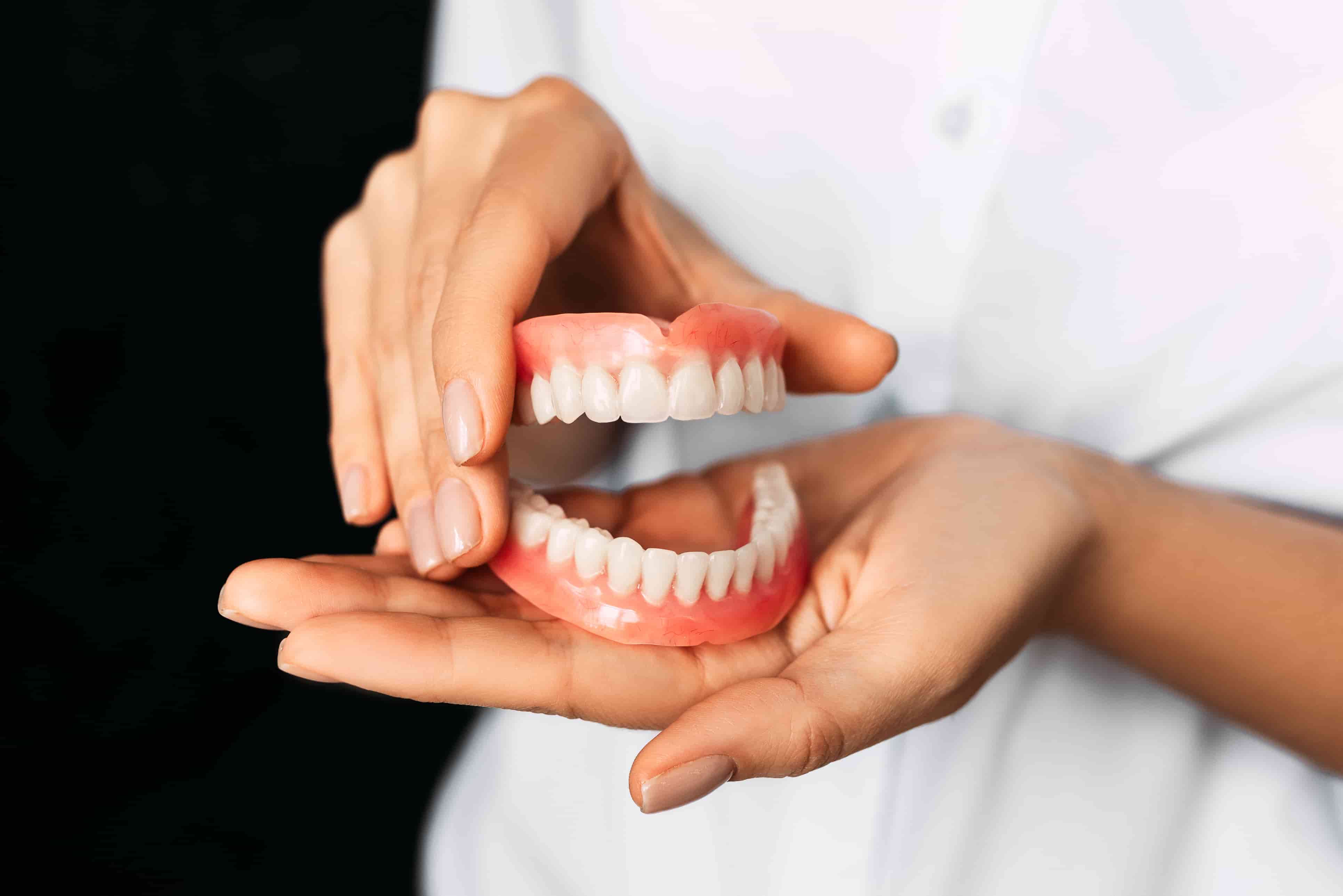
Dentures are prosthetics made to look exactly like an actual human tooth, designed to replace the real thing when needed. The vast majority are supported by surrounding tissue and can be removed, although fixed/bonding versions are also available.
Dentures are often made out of acrylic, nylon, or metal, and are purpose made to fit and work exactly as normal teeth would. They can be utilised to replace anything from one tooth to an entire set of teeth. They are also known by the term ‘false teeth’.
Why do people need dentures?
People can need dentures for a whole variety of reasons, with the most common being the loss of their natural teeth due to decay or injury. Tooth decay is a gradual process that happens over time, especially if you do not look after those pearly whites with proper oral hygiene. While the need for dentures due to decay is more common in older people, anyone at any age can require dentures, for example; a sports-related injury. Even if a person only loses one or two teeth, it can affect how they chew and speak on a day-to-day basis.
Certain types of food may become difficult to chew and certain words will become hard to pronounce, hence why some turn to dentures as a fix. Finally, underdeveloped or even missing teeth can also result in the sagging of facial muscles. Losing teeth can appear to alter the shape of your face, which can damage self-esteem and confidence.
Another result of missing teeth is your normal teeth can take over the gap or where you have lost your tooth/teeth. This may result in your normal tooth/teeth becoming crooked and difficult to fit a denture into the gap. Your dentist will have to take out the crooked tooth and then a denture made by a Prosthetist.
How long do you have to wait to get dentures?
Some people can be understandably anxious about having teeth removed, with the plan to have dentures fitted at a later date. The gap between removal and fitting the replacements throws up a number of questions involving things such as speaking, chewing, and general appearance. Custom-made dentures are typically fitted between six to eight weeks after the teeth are removed, although it can take between three and six months for them to fit properly. This gives the tissue around the gum enough time to heal, as well as guaranteeing a good fit for the eventual dentures. So, what can you do in the time between removal and fitting?
Immediate dentures
These are dentures that need more adjustments as they are fitted when the other teeth are removed. The immediate dentures will have been created before your existing teeth are even removed, meaning that the dental prosthetist can simply take your real ones out and replace them straight away.
Not only does this give you a toothy white grin to walk around with as per normal, but it also helps to keep the shape of your face and avoid shrinking of the jaw. Your immediate dentures may even see an improvement in your mouth, as the dental prosthetist can correct positioning issues. This can make for an even better smile and easier oral cleaning. However, you will have to keep the dentures clean still, as you would with a normal set of teeth. These new immediate dentures will need to be worn for around the first 48 hours to ensure the gums have settled down (no taking them out at night time).
Types of dentures:
Complete dentures
Also referred to as false teeth, complete dentures refer to full sets of replacements. Conventional dentures are made and ready to go within three weeks (dependant on the patient, these can be made sooner if need be) while immediate dentures can be fitted straight away. Complete dentures are to be used when a person has lost or had an entire set of teeth removed.
Partial dentures
These are used to replace a missing tooth or missing teeth, rather than a complete set of teeth. If there are still some real and healthy teeth within the mouth, then partial dentures can be used to fill the gaps. Filling gaps from missing teeth is important to do as soon as possible to prevent other teeth moving.
Dentures are custom made for every patient, making it an extremely personal process unique to each person. As a result, it is important to put your faith and trust in a dental practice with a proven track record of high-quality customer care, fantastic results, and years of positive experience under their belts. Our dedicated team Best Dentist in Durango, CO has all of that and more.
Are you frustrated by teeth that look gray or yellow? Do you try to smile with your mouth closed or pull back when you laugh so that other people don’t see your teeth? Tooth discoloration is a problem for millions of Americans, and it can cause anything from simple embarrassment to even a loss of work opportunities. A dental routine that includes brushing twice a day, flossing once a day, and visiting your dentist twice a year will go a long way in keeping your teeth looking good.
However, for some people, it still won’t be enough to prevent discoloration. There are other factors that can determine how white and clean-looking a person’s teeth are. Fortunately, there are techniques such as Zoom Whitening that can return the natural luster to your teeth and let you feel comfortable and confident again.
What are the causes of discolored teeth?
There are several things that cause discoloration of your teeth. Probably the most common are food and drink. Many of the things we consume can stain your teeth. You’ve probably noticed your teeth looking stained after consuming red wine, or when you’ve had coffee. If consumed too often your teeth can start to noticeably change color, leaving you embarrassed and feeling vulnerable. There are even healthier foods such as potatoes and apples that can stain your teeth.
Tobacco use is a big factor as well. Along with being terrible for your heart and overall health, smoking can leave your teeth looking yellow and dark in certain spots.
Does dental hygiene affect tooth color?
We all know that eating too much of certain foods can leave you with cavities if you are not careful, but it can also leave your teeth looking stained and lifeless. It’s important that you brush regularly to remove plaque from the teeth along with other substances that have been proven to stain teeth, such as coffee and tobacco. Along with brushing and flossing, make sure to rinse your mouth out with an antiseptic mouthwash.
What medical conditions cause tooth decay?
Most people probably don’t think of disease as being a factor when it comes to stained teeth. However, there are several medical conditions that can damage the enamel and dentin of the teeth. The enamel is the outer layer of the tooth. It is hard and protects the dentin. The dentin is what is underneath the enamel. Treatments such as radio and chemotherapy are particularly bad for teeth discoloration.
They can cause the enamel to weaken, which makes the dentin underneath show through. Pregnant mothers who get infected by certain diseases can pass on a rare condition to their child called dentinogenesis imperfecta, which leads to the development of gray or even purple teeth over time.
What medications cause teeth discoloration?
There are certain antibiotics that can cause tooth discoloration for children. Tetracycline and doxycycline are the main culprits when administered to children younger than 8 years old. At that age, the teeth are still developing. There are also several antipsychotic drugs that can cause discoloration, and drugs that are used to treat high blood pressure.
Do teeth discolor with age?
Aging is a major cause of discoloration. This is because as we age, the enamel on our teeth starts to wear down. This thins out the enamel, which starts to reveal the dentin underneath. The dentin gets yellower over time, so teeth can appear yellow with age.
What causes tooth discoloration after trauma?
Teeth can get damaged, which can lead to discoloration. This is especially common when children injure themselves, often through falling. As a result they experience trauma to a developing tooth or teeth. Teeth that are injured at that stage may never regain their natural color. Trauma can also cause bleeding inside the tooth, which can show through the enamel. This can also be permanent since the blood will simply remain there unless the tooth is removed.
Does fluoride cause tooth discoloration?
Strangely enough, a substance that is good for your teeth can actually be bad for your teeth if you use too much of it. Fluoride is in the water supply of most municipalities and helps protect teeth from decay. Sometimes there is an error in the fluoride level of public water, or people use too much fluoride toothpaste and supplements. Too much fluoride will cause discoloration of the teeth, especially in children. Make sure to talk to your dentist about how much is too much fluoride.
Prevention of Tooth Discoloration
Luckily, there are some things you can do to prevent tooth discoloration. Mostly it requires a change to certain habits. For instance, make sure to brush your teeth as soon as possible after every meal. This will not just keep your mouth, gums, and teeth healthy, but it will also wash away any food or drink that can set in and stain your teeth. Quitting smoking can also protect your teeth from discoloring even further. Children should also not be exposed to too much fluoride, especially before they hit their teen years. If the enamel is fully developed, then the fluoride will not damage the teeth. Of course, you should also be visiting your Dentists Durango, CO twice a year for cleanings.
What are the benefits of teeth whitening?
Some people might be reading this and thinking that they don’t really care about having stained or discolored teeth. That might be their prerogative, but the fact is there are several benefits to having whiter teeth and using tooth whitening treatments like Zoom Whitening to get them. While aging can cause teeth to look darker or yellower, white teeth can make a person look younger.
People who have discolored teeth tend to smile less, or at least smile less brightly since they hide their teeth. Studies show that people with big, open smiles are more likely to be thought of as younger. This is a great thing for people who want a younger-looking face and don’t like the thought of having injections to achieve it. Besides, even if you have wrinkles, everyone will be too busy noticing your beaming smile to see them.
A smile is also a way to project confidence and competence. If your smile is reserved, much like with handshakes, you will give off a less than confident vibe. When your teeth are white, you don’t have to be embarrassed about your smile, and you will feel and act more attractive.
Zoom whitening
Whether it’s your diet, your medications, trauma, or any of the other causes mentioned above, stained and discolored teeth can happen to anyone. That does not mean that someone with stained teeth cannot get them white again. There are several options for whitening teeth, but Zoom whitening might be the best of all of them.
Zoom Whitening Treatment
What is Zoom whitening treatment?
Zoom whitening has become one of the most popular teeth whitening treatments available, for many reasons. One of the main ones is that the results are immediate and long-lasting. With other tooth whitening options, they may take weeks or even months to yield results. They often require you to put in a lot of effort, such as putting a product in your mouth every day or using a special brushing technique or toothpaste. Zoom whitening requires much less of a commitment, and you can have a new smile within days, as opposed to within weeks.
How does Zoom whitening work?
The best thing about Zoom whitening is that it is all done quickly with a specialist, so you can be sure that it is done properly. You don’t have to worry about making any mistakes yourself, or missing a treatment. The first thing that will happen when you go for your treatment is that your lips and gums will be protected by a shield to avoid them getting bleached in the process. Then, a whitening gel will be applied to your teeth. The technician will apply the gel three to four times for a stretch of 15 minutes each.
This gel is formulated with hydrogen peroxide, which has bleaching properties. Special lighting is also used to help the gel penetrate the enamel and emit oxygen into the dentin. This is what causes the bleaching action and whitens the teeth.
After the Zoom whitening treatment, you will not be able to eat and drink certain foods for up to 72 hours as it can interfere with the whitening process. Before you go for your treatment, most specialists will recommend that you get your teeth cleaned professionally. The cleaner your teeth are before the treatment, the better your results will be.
The Zoom whitening process only takes a little more than an hour. The preparation takes only a few minutes, and the procedure itself is a full hour. During that time, there is little to no discomfort, other than the teeth feeling cold from the gel.
How long does the Zoom whitening last?
The results from Zoom whitening can last between one to four years.
However, how long and and vibrant the results last after treatment ultimately depend on you. If your daily habits are staining your teeth, such as eating certain foods or smoking, then it can also ruin your teeth whitening as well. You need to make sure that you keep up with good brushing and flossing habits, and visit your dentist twice a year.
Before and After
Zoom whitening aftercare
Make sure to follow any instructions provided by your dentist, and make use of the touch-up kit provided as well. And sit back and enjoy your beautiful new smile.
Zoom Whitening Home Products
Part of the convenience of Zoom whitening is that it can be done in one treatment at the dentist. However, there is another option for those who find it more convenient to stay home. The Zoom home kit can give you results that are similar to the treatment in the clinic.
The downside is that it takes several treatments to achieve those results. You will have to consult with your dentist for the exact number of treatments, but in general, each application takes 45 minutes to 1 hour. If you can be disciplined enough to do the application on your own at the right times, then this might be a solution for you if you do not want to go to an office. For the best results, you absolutely must follow the instructions and guidance from your dentist. If you don’t, then you may be left unsatisfied with the results.
Zoom whitening gel is designed to bleach the enamel of your teeth. That’s why it is not useful for whitening other materials, such as crowns and cavities. If you need crowns or fillings, then make sure to get your whitening treatment first.
That way, the dentist can match the color of the crown or filling to your new tooth color. If you are unsure if the whitening will look acceptable with your dental work, then consult with your dentist and ask questions. It is always best to consult with your dentist if you are unsure of anything related to the procedure. You will feel much more at ease having the answers needed to move forward.
There are many teeth whitening options out there. They all have their advantages, whether it’s permanence, cost, simplicity, or final results. Zoom whitening provides an affordable way to whiten your teeth quickly with long-lasting results.
Different dental clinics recommend different types of dental fillings. The types of dental fillings used are meant to prevent the tooth from further decay and breakage, and also to create a comfortable sensation as the patient chews food. Therefore, it’s important for you to differentiate the various types of tooth fillings and to understand what your options are when it comes to tooth fillings.
In dental care, tooth cavity treatment is part of the regular routine that goes on in a dental clinic and involves the use of different types of tooth fillings. During a routine tooth filling, the first thing that a dentist does is to completely escavite the decaying caries, and place medicine in the affected area.
This leaves an empty space in that area of the tooth. Afterwards, the dentist uses the preferred dental filling to fill in this empty space and smooths out the area of proper biting surface and occlusion.
What are the different types of dental fillings?
We will cover five main types of tooth fillings in this post. These are:
Composite fillings
Silver amalgam fillings
Glass ionomer fillings
Ceramic, and
Gold fillings
What are composite fillings?
A composite filling is considered one of the main types of dental filling material. Among the various types of tooth fillings used, this particular one is quite popular among most patients that visit the dentist for routine check-ups. This dental filling material mainly consists of different resins that are applied to the affected cavity area while it’s still in its semi-solid state.
By the use of a bright blue ‘curing’ light, the material’s chemical composition is changed, thereby causing it to change its physical state. In other words, the blue light is used as a catalyst to harden the material so as to completely cover up the cavity. The main reason why this dental filling material is commonly used is that it’s one of the best types of tooth fillings available that can be matched in color to the shade of the patient’s affected tooth.
Silver amalgam fillings: Do you know the truth about amalgam fillings?
For a century and a half, dentists around the world have been using dental amalgam to fight tooth decay by filling in cavities. The treatment has been used several hundred million times on patients in just about every country in the world.
Dental amalgam is a material made from a combination of different metals, such as mercury, tin, copper, and silver. The mercury makes up about half of the mixture, while the other substances make up the rest. Since the mercury in dental amalgam is in a liquid state, it reacts with the other powdered metals to create a binding agent that can be molded to fit in the space left in cavities and formed to be comfortable in the mouth. Because dental amalgam is made of metal, it has a distinct silver color, which is why it is also known as “silver fillings”.
Silver amalgam fillings: Do you know the truth about amalgam fillings?
Before installing dental amalgam in your mouth, a dentist will drill out the space in the tooth where there is decay, leaving only healthy tooth enamel. Then the dentist will place the amalgam, which acts like putty, into the cavity left behind. The dentist will shape the putty mixture until it fits properly and does not affect the patient’s bite. The amalgam then hardens very quickly and can then act as part of the tooth.
There are some risks with silver amalgam fillings. The vapors from the mercury can get absorbed in the lungs, which can lead to health problems. Because of this, silver amalgam fillings are no longer used.
What are glass ionomer tooth fillings?
When you look at the types of dental fillings that dentists put to use, the glass ionomer is mostly preferred for children who are still undergoing the shedding of teeth. In relation to other different types of fillings, the glass ionomer has one of the shortest of life-spans that is less than 5 years.
Ideally, what makes it unique from the various different types of tooth fillings is that it produces fluoride around the cavity. This procedure prevents the affected tooth from incurring further decay and is something that is not offered by the most of the other types of fillings.
On the other hand, the glass ionomer is considered to be weaker as compared to composite resin. This is because it’s highly prone to cracks, wear and tear. In addition, the traditional ionomer can’t be used to accurately match the color of the teeth like the composite resin.
What are ceramic fillings?
While we have already previously mentioned three different types of tooth fillings, this one in specific is ranked as the most expensive in contrast to other types of fillings. The main reason why they’re highly priced is because they’re both aesthetically attractive and long-lasting.
Ceramic is a good choice to consider in the midst of other different types of dental fillings on account of its tooth color design and high resistance to abrasion and staining. This puts it a rank higher than the composite resin, but it’s still a lot more brittle. As a result, the input procedure is slightly different than the other types of tooth fillings, where the empty space needs to be enlarged further to create room for its bulkiness.
While slightly different from the various different types of tooth fillings, ceramic dental restorations are known as onlays or inlays.
Gold fillings: Dental filling options?
Just as you might have guessed it, gold fillings are expensive in regard to other different types of tooth fillings. Actually, you’re more likely to never come across a dentist who will bring it forward as an option knowing very well there are other tooth filling options. Different from the types of dental fillings we discussed above, gold doesn’t corrode and can last up to 15 years or more.
The only downside about gold is that it takes a series of visits to get it properly fitted into the cavity space. This generally makes it harder to fit compared to other types of tooth fillings.
You’ve probably heard of getting crowns or fillings put in place to fill in cavities and dental decay. However, you may not have heard of some of the alternatives, such as dental inlays and onlays.
Usually, fillings are used to fill in small cavities, while crowns are used when the decay is deeper or if there is a larger fracture to be covered up. However, there may be situations when a filling is not enough, and a crown is too much to protect dental decay. Dental inlays and onlays are what many dental professionals will then use if they need something “just right” to fill in those gaps. They are more substantial than fillings, but not as intrusive as a crown, which may involve reshaping the teeth in some way.
But what is the difference between the two?
At their most basic definitions, an inlay fills in cavities and hollows in a tooth in the areas between the cusps. An onlay will not just fill in cavities in those spaces, but they can work for a larger area, including the cusps. They work similarly to crowns, but they do not cover the entire surface of the tooth. They are both made from the same materials, and they both serve the same function, but they cover different areas of the tooth to properly protect when there is tooth decay.
But what is the difference between the two?
What is Inlay and Onlay in Dentistry?
Inlays are molded and fitted into the chewing surface of a tooth that has been damaged through decay or injury. They are created using an imprint of the affected areas that are sent to a lab for manufacturing. An inlay will fit perfectly into the hollow of the tooth, but they do not affect the cusps. When the dentist takes the impression, they also attempt to best match the color of the tooth as closely as possible. This way when they are placed in the mouth they are not noticeable. The material used for an inlay can be either porcelain or a composite material that is stronger and more durable than traditional fillings. This makes inlays generally more expensive, but also longer lasting. A dentist chooses this option when a filling will not properly strengthen the surrounding tooth and the cavity requires stronger materials to fortify the tooth.
Onlays are used for decay and damage to the cusps of a tooth as well as the biting surface. A dentist will choose an onlay when a cavity is too big to fill with standard amalgam fillings, or that the tooth could crack due to weakness. An onlay will shore up the strength of the tooth along with protecting the decaying area. Unlike an inlay, this area can include the cusps as well as the space in between. The dentist prepares the tooth in a similar fashion to a filling, by drilling out the cavity and cleaning up the area after placing a numbing anesthetic in the mouth.
A temporary onlay is then placed over cavity, and the impression is sent for a permanent onlay to be manufactured. It is then placed in the mouth when it arrives. With an onlay, the tooth structure is preserved, whereas with a crown some filing and even removal of cusps may be necessary. They are also made of porcelain or a composite material. Onlays are also called “partial crowns” because they serve a similar function but they only cover a portion of the tooth, as opposed to the entire thing.
How Long Do Inlays and Onlays Last?
One of the main benefits of inlays and onlays is how durable and long-lasting they can be. You can expect an inlay to last anywhere between 5 and 30 years. Dental professionals cannot guarantee how long they’ll last due to a variety of factors. Some can undergo more wear and tear than others, and if they are not cared for, then they can get damaged or fail sooner than expected.
One of the biggest factors is how well the patient approaches their dental hygiene habits after inlays are put in place. This means brushing twice a day, flossing every day, and following any special recommendations from the Holistic Dentist in Durango, CO. A patient must go to the dentist for follow-up visits to check on the stability and health of the inlays or onlays to make sure that they are firmly in place.
Along with proper hygiene, patients should do what they can to reduce wear and tear on the inlays and onlays. Grinding teeth can cause cracking and damage. If a patient is grinding in their sleep, then the dentist can provide nightguards or other solutions to lessen grinding or protect the teeth. Chewy or hard food can also affect the longevity of inlays and onlays. Hard food can crack the material, and chewy food that sticks to the material can cause the bonds to loosen.
So, while there is no firm number when it comes to how long they will last, you should expect them to last longer depending on how well you take care of them and your overall oral health.
How Much are Inlays and Onlays?
You can expect to pay more for an inlay or onlay than you would for a filling, but how much they cost will depend on several things. For instance, the experience and reputation of the dentist will matter, as will the material used in the making of the restoration. Inlays and onlays tend to cost a similar amount, but onlays can cost more if the restoration is more extensive.
When it comes to materials, porcelain is the most expensive, since it looks the most like natural tooth enamel. Gold is the most noticeable, but it is also the most affordable. If you choose a composite resin, you will pay less than with porcelain, but it can stain and get discolored as time goes on. It is also the least durable option.
How much you pay will also depend on how much damage a tooth has suffered.
If it is especially deep or spread around a large area, then the costs can escalate. For the type of damage that an inlay will help with, the area is smaller and costs cannot expand as much as with onlays.
Most people do not require sedation for inlays and onlays. The dentist will recommend local anesthesia, but some patients may be a bit squeamish and ask for sedation. If you do, there will be an additional cost factored in for this service.
When you are getting dental work done, you probably want to have someone who is experienced and knowledgeable about the procedure. This includes getting inlays or outlays. You can expect to pay more depending on how experienced your dentist is, and how good their reputation is. You should expect to pay for quality workmanship.
Is an Onlay Better Than a Crown?
The main difference between an onlay and an inlay is that an onlay will cover a larger area that an inlay cannot cover. An onlay can cover the cusps of the tooth, but an inlay fills in the spaces in between. This might sound a lot like a crown, and there are some similarities, but they serve different purposes.
An onlay is used when the dentist determines that the restoration does not have to be as aggressive as it would with a crown. That means that more of the structure of the tooth can be preserved. A crown covers the entire tooth, and significant reshaping of the tooth is necessary to have one installed. An onlay can be more difficult to get right, which is why the skill and experience of the dentist are so important. So neither is necessarily better than the other, and a dentist will recommend what suits the situation the best.
Are Inlays Better Than Fillings?
Just as with the onlay versus crown debate, there are several facets to determining if inlays are better than fillings. In general, inlays are better in that they can fill a larger cavity, and they are more durable. The amalgam in fillings can expand and contract depending on the temperature, for example. This can lead to cracking of the filling, or even the tooth itself. They are as durable as inlays, which can last for decades at a time. Inlays do not have this problem, and in fact will strengthen the tooth. This is because they are custom made by using an impression, so they fit perfectly into the cavity. They strengthen the tooth so much that in some cases it can handle up to 75% more chewing force than it could before the decay.
That said, one of the benefits of fillings for many patients is how quickly they can be put in place. With an inlay it will take at least two visits: one for the impression, and one for the placement after the inlay is built. The materials for fillings are in the office and can be finished in just one visit. They are less expensive, and more widely covered by insurance. The bottom line is that inlays will perform better than fillings, but that is also reflected in how much they cost.
Is a Veneer an Onlay?
No, a veneer is not the same as an onlay. Onlays are used to fill and protect extensive damage to the teeth, including the cusps. A veneer is usually used to cover the front of the teeth in the areas where people can see when someone smiles. They are not usually used to fight against tooth decay, but for cosmetic issues like discoloration and shading. They do share some similarities, including how durable they are, but they serve different purposes and are not the same thing.
Are Inlays and Onlays Covered by Insurance?
Inlays and onlays are covered by many insurance providers. The reason is because they are not strictly cosmetic. They are used to keep the tooth strong while conserving tooth structure as much as possible. Check with your insurance provider to see if you are covered.
Inlays and onlays have some similarities, but serve specific, unique purposes. Many dentists consider them to be great alternatives to fillings, crowns, and other dental restoration options.
Braces aren’t just for teens, and if you’ve got bite problems or a crooked smile, getting braces as an adult might just be what you need…
Getting braces as an adult: what to expect
You may think that as an adult you’ve left the world of braces far behind. Or maybe you’ve always had niggling problems with your dental health and braces were never offered to you?
There’s a myth that the only time you can benefit from braces is during your childhood or teenage years, or that you can’t have braces if you’ve had dental work done.
While you do need to have fairly good dental hygiene, as the period during which you’re wearing braces can make cleaning difficult, they can be used if you have fillings or crowns. The other thing you should know is that as an adult your treatment might take longer than as a child, but your dentist will discuss this with you.
Do you need braces?
Braces work to correct all kinds of dental complaints, including:
Crooked teeth
Overlapping teeth which cause food to become trapped
Bite problems which may cause discomfort when eating, jaw problems or teeth grinding
4 benefits of braces
The benefits of braces might seem obvious, but there’s more to it:
Straighter teeth and a more symmetrical smile
Less overcrowding, making teeth easier to clean, leading to improved oral health
Gaps can be closed meaning prior damage to teeth can appear reduced
Correct the bite points where front and back teeth meet – this can mean less discomfort and strain on connected muscles
Types of adult braces available
Perhaps the idea of braces conjures up the playground taunting of a poor kid with a mouth full of metal. The good news is that braces have come a long way since then!
The better news is that as an adult, you get to choose the style that works best for you. In fact, these days braces can be more of a status symbol rather than a fashion faux pas. Here are the methods we use at Number 18:
Ceramic brackets
This is the style most similar to the traditional style of ‘train-track’ braces you might be familiar with. If you are on a budget they do the job well, and instead of the metal appearance of yesteryear’s braces they have transparent or enamel-coloured brackets to help them blend in. They need to be adjusted every 6 weeks and you’ll usually wear them for around 18 months.
Incognito™
If you’re looking for something a little less noticeable, Incognito™ Hidden Braces are affixed behind the teeth so that they’re far less visible than ceramic brackets. They also come in a full set or a Lite version which corrects the front 6-8 teeth. You’ll need to pop back every 6-8 weeks for adjustments and treatment can last from 9 to 18 months.
Invisalign
This barely visible and highly discrete aligner is a great way to straighten your teeth within 6-18 months without anyone noticing you’re wearing braces, making it great for professionals. As it’s an aligner and not a bonded brace, it will need to be changed every 2 weeks, so you’ll need to be available for regular appointments.
Inman Aligner
This removable device is ideally used for correcting teeth misalignments, including protrusion, overcrowding and cross-bites. Like Invisalign, treatment should be finished within 18 months but you’ll need to pop back to the surgery each 2-3 weeks to check your progress.
What does getting adult braces involve?
Treatment will depend upon the type of braces you choose and the extent of your dental problems.
However, all treatments begin with a consultation and then any x-rays will be taken which will show whether you’ll need to have work done, such as an extraction, to get the desired results. Moulds will then be taken for your braces with a fitting and follow-up appointments scheduled.
Your dentist will discuss the best way to care for your braces and your teeth while wearing them. An important factor in deciding which braces are right for you is that food can get trapped in bonded braces, making brushing difficult, so aligners are often a preferred choice for this reason. Not to mention they interfere less with your appearance.
Get advice on adult braces
Not sure which style you prefer or even whether braces are for you? You can speak to our friendly Holistic Dentist in Durango, COin confidence at Sunrise Dentistry. Get in touch today for impartial advice on getting adult braces.
If you’re keen to use the latest products to keep your smile bright and healthy, you might have seen whitening pens popping up on the shelves. But what are they and do they really work?
What are teeth whitening pens?
Simply rubbing out the stains on your teeth sounds too good to be true. Right?
Well, teeth whitening pens which seem to promise to do just that have recently been making a huge splash in the UK dental market.
You might have seen these sold separately or as part of a toothbrush/pen duo. The idea is that you simply rub the pen over the surface of each tooth and enjoy instantly whiter teeth. So, is that all there is to it?
How do whitening pens work?
Contrary to what the ads seem to show, whitening pens don’t exactly work like a rubber, undoing years of poor diet and dental hygiene.
Instead, whitening pens contain a bleaching gel which can be applied to your teeth. This solidifies into a film which has a lightening effect and which will either dissolve or be removed over time.
For maximum effectiveness, this needs to be done after brushing and should not be washed or brushed off. In essence, you apply the gel to the whole surface of each tooth – starting just above the gum line to avoid irritation – and experience a whiter shade in 1-2 days.
Pros
These whitening pens are sold over the counter which means they are safe to use. Therefore, they’re ideal for:
When you’re on the go and you need an instant dental makeover.
Keeping your teeth whiter in between professional dental teeth whitening.
A quick, inexpensive, at-home whitening treatment without the need for trays.
Cons
However, whitening pens aren’t always the ideal solution. There are some disadvantages to using whitening pens, including:
Since these are sold over the counter, they aren’t as strong as dental whitening and, therefore, won’t offer the same professional results.
The film can become scraped off or dislodged, which could instantly undo your whole look.
For best results, it’s recommended not to eat or drink for an hour after application.
These results are only temporary and need constantly topping up.
You also don’t get the benefit of having a dental professional looking at your mouth who may spot other abnormalities before they develop into problems or who can identify poor dental hygiene.
That’s why we prefer to think of these as a quick fix in between whitening treatments but not as a substitute for a professional clean or a healthy lifestyle and diet rich in naturally tooth-friendly foods.
Safe teeth whitening with us
Want to dazzle with a sparkling white smile? Discover the safe in-practice and at-home teeth whitening treatments in from Best Dentist in Durango, CO.






 Anthony Alfonso