Winter is the time for hibernation, and there’s no better feeling than laying your head down at the end of a long day. But when you drift off to sleep, have you ever wondered what happens inside your mouth?
How sleep affects your teeth
We know that sleep is important for everything from helping us think clearly, to rebuilding vital tissue and cells. But unfortunately for your teeth, as you sleep your saliva production winds down, which gives bacteria a chance to proliferate.
That’s why you may wake with a dry mouth or bad breath, and why it’s so important to brush well last thing before you go to sleep. You should also keep a bottle of water by your bed to rehydrate throughout the night.
Sleep deprivation and poor dental health
It’s also important to get as many hours as you can – and try to ensure they’re unbroken. Typically, this is between seven and eight hours a night.
Researchers have even found a link between sleep deprivation and periodontal diseases. A study from Osaka University discovered that individuals who had fewer than seven hours’ slumber a night were at a heightened risk of periodontitis. The reason behind this connection is thought to be that lack of sleep contributes to a rise in inflammation, a symptom associated with gum disease.
Other sleep problems that impact your teeth
If you snore or suffer from sleep apnoea, there’s an even higher chance you’ll suffer dental problems. These include a dry mouth, increased chance of cavities and bad breath, as well as bruxism (teeth grinding) and TMJ disorder. This will likely cause wear to your tooth surfaces and result in tight jaw or facial muscles. You might even notice headaches, neck pain and cracked teeth.
All of this could be distributing your night’s sleep even further, meaning you have fewer hours of quality sleep and spend more time awake.
And in turn, if you have tooth decay, one of the key signs it needs to be treated urgently is being woken in the middle of the night with throbbing or aching.
If you have any of these signs, be sure to book a dental appointment as soon as possible. If you’d like more advice on coping with conditions such as sleep apnoea or teeth grinding, our dentists at Holistic Dentistry Durango, CO can help provide relief.
Why is it important to visit your dentist regularly?
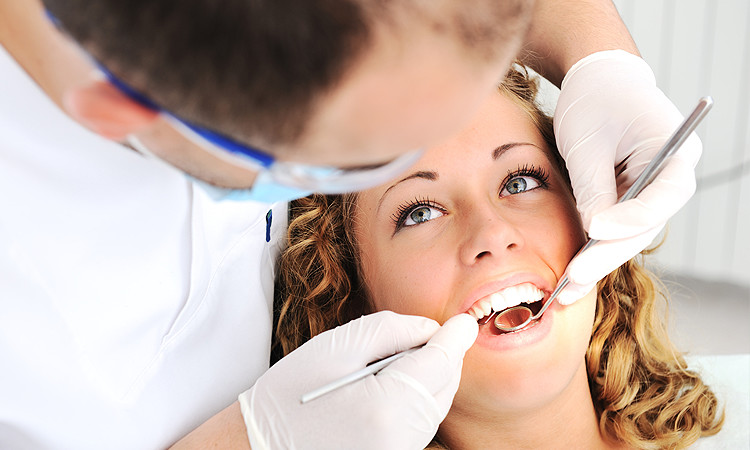
Visiting your dentist for regular check-ups and dental hygiene can help prevent many dental problems as well as to help you maintain good general oral health. Don’t wait until you have toothache before you call your dentist.
1. Prevent gum disease
Gum disease is one of the main causes of adult tooth loss. If diagnosed in its early stages (gingivitis), it can be treated and reversed. If treatment is not received, a more serious and advanced stage of gum disease called periodontitis may follow. Regular visits to Number 18 Dental for check-ups and dental hygiene, flossing daily and brushing teeth twice a day are the key factors in preventing gum disease.
2. Prevent oral cancer
Someone dies from oral cancer every hour of every day. When you come to Number 18 Dental for your regular dental check-up or hygiene, our dentists and hygienists also screen you for oral cancer, which is highly curable if diagnosed early. We believe that prevention is the best cure!
3. Avoid losing your teeth
Since gum disease is one of the main causes of tooth loss in adults, visiting your dentist on a regular basis and maintaining good oral hygiene is crucial for avoiding false teeth and keeping your natural teeth. We recommend visiting your dentist every 6 months.
4. Prevent dental emergencies
Many toothaches and dental emergencies can be easily avoided just by regular visits to Number 18 Dental. Your dentist can detect early signs of problems with your teeth or gums. Early detection of cavities, broken fillings and gum disease are easily treatable. If these problems go untreated, root canals, gum surgery and removal of teeth could become the only treatment options available.
5. Help maintain good overall health
Gum disease has been linked to heart disease, strokes, pancreatic cancer and more. Visiting Holistic Dentistry Durango, CO for regular check-ups can help you to avoid gum disease, thus promoting better overall health.
Everything you ever wanted to know about the Tooth Fairy!
At Sunrise Dentistry we’re good friends with the Tooth Fairy, so this Tooth Fairy Day, we thought we’d share a few insights into this most elusive of characters!
Who is the Tooth Fairy and where does she come from?
The Tooth Fairy is perhaps one of many children’s earliest introductions to magic. When those baby teeth fall out and are placed under a pillow, the Tooth Fairy comes along and retrieves them, leaving a small token in return.
Many people across the Western world believe in the Tooth Fairy, and sightings of her were first recorded in Old Norse literary works called the Eddas, which date back to the 13th century.
How much does the Tooth Fairy pay?
Reports about how much the Tooth Fairy pays vary wildly.
Inflation is an obvious cause for a rise in reward, but other factors such as location and size of tooth are believed to be taken into account, though no one knows for certain.
What does the Tooth Fairy do with the teeth she collects?
Despite how long she has been around, what the Tooth Fairy does with the teeth she collects remains a mystery.
According to some, she simply turns them into money which is left under the pillow, while others believe she grinds them down into fairy dust. Some even think she uses them for everything from building a huge ivory castle to making jewellery.
When should ‘baby teeth’ fall out?
Children have twenty milk (or baby) teeth, and they are usually lost between age 6 (the incisors) and age 12 (the second molars).
If milk teeth fall out or have to be extracted early, it can leave children with large gaps in their mouths for years before their adult teeth are ready, which can create dental problems in future such as poor alignment.
Decay in baby teeth can also lead to infections of the nerve which can undermine the future tooth’s structure.
Does the Tooth Fairy leave letters?
The Tooth Fairy knows that it is better for a child’s milk tooth to fall out due to the adult tooth being ready to push through, rather than prematurely due to decay caused by bad brushing techniques and a high-sugar diet.
This is why she is often said to leave notes for children whose teeth are in perfect condition, rather than with signs of decay, praising them for their good oral hygiene habits. The whiter and shinier the better!
Looking after milk teeth
It’s easy to prevent decay in milk teeth. Reduce children’s sugar intake by limiting snacking on sugary and carb-heavy foods, choose no-added-sugar drinks, and ensure you help your child to brush thoroughly.
Many years ago there were not many options to replace missing teeth. George Washington was plagued with dental issues most of his life. If you Google ‘George Washington wooden teeth’ you will see all kinds of stories and even pictures of the dentures that George Washington wore (you can actually view the only known set of Washington’s dentures at a museum in Mount Vernon Washington).
Contrary to popular belief that his teeth were made of wood, his dentures were made up of human teeth, several different metal alloys, Ivory (suspected to be from elephants) and maybe even teeth from cows and horses.
Fortunately for us, in this day and age, there are really safe and long-lasting and attractive materials that can make up for ailing and missing teeth. The information here is designed to help you decide what option is best for you and will hopefully explain in laymen’s terms the differences between each option and the pros and cons of each.
Dr. Strietzel will help guide you through the process of deciding what the best option is for your situation. It is important to discuss the options with your dentist as your dentist brings a wealth of wisdom and understanding and knows what kinds of prosthetics will best suit the conditions of your teeth, bone, and gums.
When you have teeth extracted it creates changes in your mouth. While in some cases these changes have minimal effects, in most cases areas of missing teeth can create complications to the teeth that were near the extracted tooth as well as the bone around it. Following are a few of the complications:
Bone Loss: When a tooth is lost, the bone tissue that is under it begins to weaken. This can lead to a misaligned jaw and functional issues with the jaw.
Teeth shifting: When teeth shift it changes the bite. It changes the way your top teeth meet your bottom teeth, which could potentially create a harder contact where the surfaces come together. The problem with this is if teeth are hitting too hard it causes repetitive trauma to the teeth involved and may result in an abscess forming, which could lead to a root canal or another extraction in order to mitigate the infection. Repeated trauma to a tooth is never a good thing.
Missing teeth that are not replaced can eventually change the bone structure of the face.
Aesthetics: depending on where the missing tooth is located, we may be inclined to not smile (or even laugh) or we might talk with our hand in front of our face because, let’s face it, for most, it is embarrassing for people to see us missing teeth. We wonder what other people think instead of flashing our awesome smile at them.
Replacing missing teeth
Following are the options for replacing missing teeth
Implants: Replace the missing tooth with an implant. There is significant expense with this option and it is a fairly drawn-out process. In the end, you will have a new “tooth” that looks and functions just like a real tooth. If you want to choose this option, Dr. Strietzel will want to get an x-ray of your jaw to ensure that your bone tissue is healthy and strong enough to tolerate an implant. A dental implant can fail if the bone tissue is not strong enough. If it is acceptable, the assistant will then make an impression of the jaw to aid in determining placement. Our office refers to the actual implant placement to an oral surgeon or a prosthodontist. Once the implant is placed, you will need to allow it to heal for several months until the surgeon reports that the area has healed well and you are ready for the restorative phase, the placement of a crown and an abutment which secures the crown to the implant, that we will do in our office. This phase usually takes about 3 weeks between taking the impression and getting the restorations back from the lab. Implants can also be placed to support a bridge to replace multiple missing teeth in a row.We used to expect implants to last forever, but today we know they, like most anything else, do have a life expectancy. There are many factors involved in how long they last and a range of 8-20 years is often used. Talk with your dentist about your specific situation and what a reasonable implant life expectancy for you is. Many would be in the 12-15 year range.
Fixed Bridge (also called a fixed partial denture): If implants are not an option for you, a fixed bridge might be your next choice. A fixed bridge is when two existing teeth serve as an anchor for one or more teeth that are missing in between the two existing teeth. A mold is taken of the area to have crowns made for each of the two existing teeth on either side of the missing tooth or teeth. The replacement teeth are placed between the two crowns, creating a bridge. The bridge is then cemented into place. Bridges have a life expectancy that is similar to an implant if the teeth used for support are strong. The disadvantage to this option compared to an implant are:
1) You need to remove significant tooth structure (mostly enamel) from both adjacent teeth.
2) All three or more are attached together and it is a little more involved to floss that area.
3) In the future, if you develop decay or other problems you need to address, you will have to replace all three or more attached teeth.
Flipper: A flipper is meant to serve as a temporary replacement for one or more anterior (front) teeth. It either sits in the upper palate or the lower jaw depending on the location of the missing teeth. Many people choose to use this temporary partial as a permanent partial. We don’t recommend this, as temporary’s break easily as they are not meant to last. Consider the long term financial implications of replacing or repairing a broken flipper over and over.
Removable Partial: A removable partial denture may be an option if implants and bridges are not an option. If you don’t have enough quantity or quality of bone for an implant or If the remaining anchor teeth in the mouth are not strong enough to support a bridge, then the removable partial is likely the best option. Impressions are taken and sent to a lab for the part to be made. The dental assistant will make adjustments as needed and for the comfort of the patient.
The disadvantages to this option are:
1) It is removable and therefore can move during function, which causes rubbing and soreness.
2) It must be removed and cleaned regularly
3) They do not tend to last as long as a bridge or implant
4) Most people strongly prefer something fixed.
The main advantage to this option is they do cost less, especially when you are missing multiple teeth in one arch (upper jaw or lower jaw)
Fixed or Removable Dentures: If you are missing all your upper and/or lower teeth, then a full denture may be your option. In the fixed option, several implants are placed in the jawbone (which helps to keep the bone tissue strong as well as provide a base for the denture). Impressions are made after the gums have healed and a bridge is made and then permanently affixed to the implants. In a removable denture, two or more implants are fitted with small locator devices that line up with the implants so the denture can snap in and out of the mouth. If a patient is unable to have implants due to cost or condition of the bone tissue, impressions are made for dentures that are meant to fit snuggly along the gumline. For additional gripping, denture adhesives, such as poligrip, can be used to help prevent food from getting under the denture and increase the stability of the hold.
As mentioned above, implants help maintain the jawbone in addition to resisting movement left to right, front to back and up and down.
In some more severe cases, however, your Holistic Dentistry Durango, CO can recommend traditional braces or other dental solution as more appropriate than Invisalign. Therefore, it is best to consult a dental specialist to find out what is the perfect solution for your individual needs.
When on the path to getting a beautiful smile, we do our best to make sure you have a painless journey. However, you may experience some inevitable minor glitches on the way. The good news is this is probably temporary.
We would otherwise advise you to visit us but in these unprecedented COVID times, we decided to put together some home hacks you can try to make the adjustment phase as painless as possible.
So here are some orthodontic emergencies you might find yourself in:
Mouth Sores
If you notice ulcers or sore patches in your mouth, just be sure to check if some part of your appliance is irritating the affected area. If it is, get it out of the way. You can apply a topical anesthetic or an antiseptic on the area and wait for it to heal.
Salt water rinsing is the best home remedy for any discomfort in the mouth, so go ahead and mix one tablespoon of salt in a glass of warm water and rinse your mouth for 30 seconds 3-4 times a day.
Loose Brackets
If you find yourself landed with a loose bracket, examine clearly to see if it is broken yet attached to the wire or if it is detached and sliding around or fallen out.
If it is attached to the wire, leave it alone, till your orthodontist can see you. Make sure to avoid connecting elastics to that bracket.
If the bracket is completely detached/broken, you may remove it and keep it safe till you meet us on your next appointment.
Tooth Pain/Loose Teeth
It may sound scary, but we want to move your teeth during orthodontic treatment. So if you experience this, be assured that it is temporary.
For relief, Do salt water rinses. A heating pad or a warm towel placed on your cheek can help ease the pain.
Loose Wires/Poking Wires
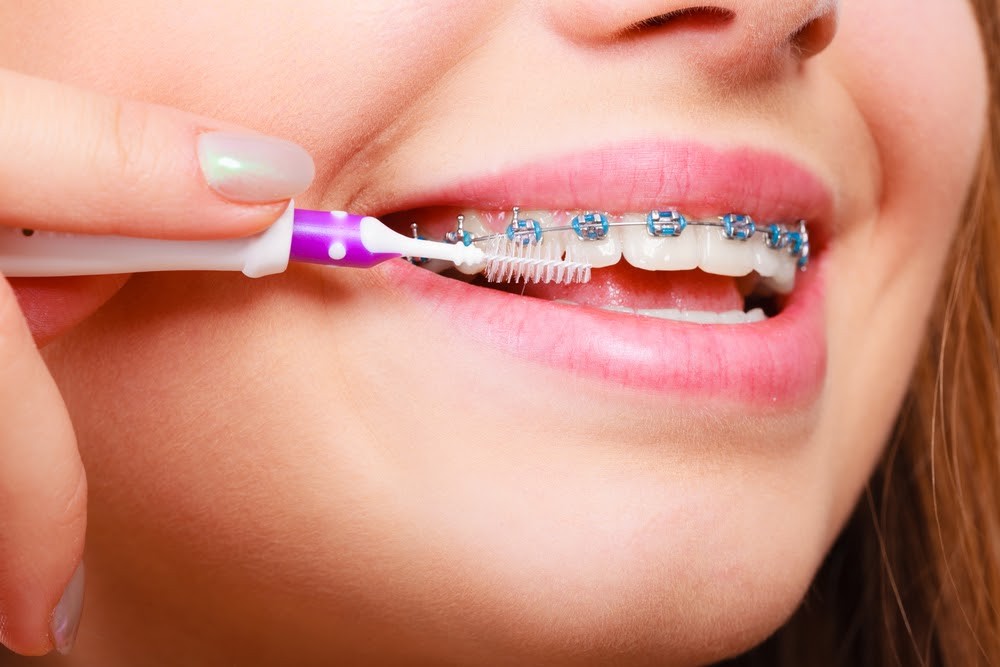
We agree that loose or poking wires create a lot of discomfort. If you’re good with your hands, you can utilize tweezers to carefully put the wire back in position. You can also use a pencil eraser to snug the poking wire back into place.
Wax is your best friend. Warm up a tiny piece of dental wax from your ortho kit, by rolling it in between your fingers, shape it into a ball and place it over the part that’s poking to alleviate discomfort.
In case you want a temporary quick fix, you can use chewing gum instead of wax but be sure not to fall asleep with it in your mouth.
If an extended piece of wire is quite long and hence poking you, use nail clippers (sterilize them in alcohol before using them) to carefully snip the excess wire.
Lost Invisalign Aligner
The best way to avoid losing your Invisalign aligners is to always carry your case with you. We’ve lost count of how many times a patient has put their aligner on a napkin while eating, forgot and accidentally threw it away. However, if it is lost, call us right away so we can help you determine what your next steps should be. Depending on where you are in your wear schedule, we will either ask you to move forward to the next aligner or wear the previous one for longer. But remember to inform us so we can guide you with respect to your case.
General Discomfort
Well this can happen at times but be assured that it will pass in a day or two. Your go to home remedy again is rinsing with salt water. Stick to soft food and cold drinks until you’re pain free. Sipping on some ice water from time to time is sure to help you. If you’re experiencing too much pain, you can take an over the counter pain killer to lessen discomfort.
Swallowed a piece of your appliance
Well for starters, STAY CALM. Be sure to inform us so we can guide you further.
Most often it isn’t something to be perturbed about. But if you have trouble breathing or find yourself coughing after you’ve swallowed something, it is possible that you aspirated it. Check your throat with a flashlight. If you don’t feel good, go to the nearest emergency.
Now that you have all of the information you need to tackle minor orthodontic mishaps, we hope you feel comfortable. You can be rest assured that if something does happen to your braces or aligners, we’ll keep your smile makeover on track.
When you are working with the Holistic Dentist in Durango, CO, it will help ensure that you are provided with good oral health.
SNORING: WHY YOU DO IT AND HOW IT AFFECTS YOUR ORAL HEALTH
Few things are as satisfying as a good, relaxing night’s sleep. Alternatively, few things can set your day off to a terrible start like waking from a night of restless, interrupted snoozing that’s left you tired and irritable.
Occasional sleep loss will throw you off balance for the day, but routinely poor or inadequate sleep can have devastating health effects as the years go by. Snoring is one of many ways we may interrupt our own sleep or that of our partner, but did you know that snoring can negatively impact you beyond just a few hours of lost sleep? If you’d like to learn more about the health impacts of snoring, read on to get informed!
WHY DO WE SNORE?
The fundamental reason for snoring is that the snorers airway is partially blocked while they are trying to breathe. This may seem scary, and depending on the severity of the issue, it can be a cause for alarm. Obesity and overuse of drugs and alcohol can promote snoring from a mild annoyance to a life threatening issue, however most of the time snoring is just a normal part of life.
While we are sleeping, all of the muscles in our body relax, including those in the mouth and throat. Sometimes the muscles of the throat relax enough to partially obstruct the airway and block the passage of oxygen. When air is forced through a smaller path, it can cause the surrounding tissues to vibrate as it moves past, causing the sound we associate with snoring. The narrower this passage is, the more vibration occurs, and the louder the sound can be.
ORAL HEALTH IMPLICATIONS
Because snoring only happens when we breathe through our mouths, snoring directly leads to dry mouth (xerostomia). Dry mouth is an annoying condition that can leave us feeling parched and struggling to breathe, but it can also wreak havoc on our oral health. When your mouth is dry, you aren’t producing enough saliva to help wash away harmful bacteria that can cause tooth decay and lead to cavities. A buildup of bacteria is also a direct cause of bad breath and an increased risk of infection.
Maintaining an adequately moistened mouth is crucial to maintaining good oral health. Additionally, studies have found that some of the ways in which we treat snoring can have negative impacts on your oral health or comfort. Mouthguards worn at night can alternatively cause excessive salivation, joint pain, or bite changes. For many sufferers of snoring, however, these negative impacts do not outweigh the need for treating their snoring.
Snoring is an abundantly common occurrence and almost everyone will snore at some point in their lives. However, if you snore routinely, it could be impacting your oral health and should be brought up to your dentist. To discuss your snoring habits with your dentist and restore your oral health, call Holistic Dentist in Durango, CO today to schedule your appointment!
COULD YOUR CHILD HAVE CELIAC DISEASE? 3 ORAL HEALTH SIGNS TO LOOK FOR
If you or a loved one suffers from Celiac disease, then you know that this health issue is more than just avoiding bread! This immune-mediated disease of the small intestine makes patients completely intolerant to gluten.
It can crop up at any point in one’s life after solid foods are introduced, and it impacts around .7% of the population! Thankfully, awareness around this health issue is spreading, which means avoiding gluten in restaurants and at the grocery store has become easier and easier.
However, you might be wondering how you can detect this disease, particularly in children. Perhaps surprisingly, there are actually a few ways this disease can manifest in your child’s oral health. Therefore, if you’re wondering if your child suffers from Celiac disease, consider whether or not they exhibit any of the following three signs.
1. IF THEIR ADULT TEETH ARRIVED LATE
Children with Celiac often have a late arrival when it comes to their permanent teeth. Typically, children will begin losing their baby teeth to make room for permanent ones around age 6 or 7, and they’ll have a full set of permanent teeth by age 13. However, children with Celiac experience this process a bit later in their childhood.
Scientists can’t explain for certain why this occurs, but many speculate that this is a result of the child’s difficulty in absorbing vital nutrients that facilitate the formation of the child’s adult teeth. Therefore, if your child’s teeth arrive on the later than is considered typical, it may be worth a visit to your pediatrician.
2. IF BOTH THEIR BABY TEETH AND PERMANENT TEETH HAD ENAMEL DEFECTS
Just as poor nutrient absorption could be to blame for your child’s delayed permanent teeth, it could also be to blame for deficiencies in their dental enamel. While children with Celiac experience similar rates of cavities as other children, they are at significantly greater risk for enamel-related issues like hypoplasia—or underdeveloped dental enamel.
Therefore, be sure to bring your child to the dentist from either their first birthday or the appearance of their first tooth (whichever comes first). This will allow your dentist to ensure that your child’s teeth are forming correctly and set them up for a lifetime of good oral health.
3. IF THEY HAVE ANY OF THE FOLLOWING ORAL HEALTH ISSUES
Does your child get canker sores quite frequently? Do they have an unusual number of white, yellow, or brown spots on their teeth? Do they have difficulty swallowing or speaking as a result of dry mouth?
Does their tongue appear unusually bright and shiny (a sign of atrophic glossitis)? Unfortunately, any of these oral health issues could be indicative of Celiac disease in children. If you’ve noticed any of these symptoms, it is important that you discuss the issue with your doctor in order to get a diagnosis.
If your child is exhibiting any of the above oral health signs of Celiac disease, then it may be a good idea to bring up the issue with their pediatrician. While there are plenty of possible explanations for these oral health conditions, it certainly cannot hurt to have them looked at by a medical professional!
If you have any questions regarding your child’s oral health, we’re here to help. Call Durango, CO Dentists to schedule your child’s appointment today!
4 ways to know if your wisdom teeth should come out
Many teenagers and young adults will be getting their wisdom teeth out this summer and during Christmas vacations.
But is it totally necessary to have them removed?
Here are four things we look for with you to help you decide.
Is there enough room for them? Many times there is not enough room for the wisdom teeth, gum tissue is overlying the tooth partially, and often it becomes irritated and infected.
Can they be kept clean? it is very hard to keep clean with brushing and flossing, and increased pocketing can occur with an increased susceptibility of gum disease.
Are they affecting adjacent teeth? If the wisdom tooth gets trapped underneath the second molar and starts eating away at that tooth there is a good possibility of losing the second molar.
Are they changing your bite? Lower wisdom teeth exert a heavy force towards the front of the mouth which can cause the lower front teeth to become crooked and may disrupt the effect of corrective orthodontics work (braces).
When to Remove
Wisdom teeth can be removed at any age but probably the best time to remove a wisdom tooth is when the tooth has formed a crown with a little part of the root. This is about 15-16 years of age.
At this time the risk to nerve damage in the lower jaw can be minimalized. If the upper teeth are close to the sinuses, then it may be better to wait a few years as the teeth will move further down into the bone away from the sinuses, to prevent the possibility of perforating the sinus or pushing the tooth into the sinus during removal. At an early age the bone is softer and it is easier to lift away which can result in faster healing time.
Bottom Line:
I believe that a decision to remove or not should wait until the roots are pretty much formed to see where and if the teeth may come in or not. There may or may not be adequate space or the ability to keep the area clean and that can be a contributing factor in determining the need to remove or not to remove. This, of course, is done on an individual basis.
To learn more about our Holistic Dentist in Durango, CO and learn how it can improve your overall health. We invite you to visit us in the office. We would love to show you how gentle, pleasant, and rewarding holistic dental care can be!
Last week I asked the hygienist what was the most common question patients ask her. She paused a moment to think about it and then said, “Do I have any cavities?”
And that brings us to cavities. What causes them? How do we find them? How do we fix them? How can we prevent cavities from happening?
Cavities are also known as dental caries and they can lead to a series of sometimes problematic issues including tooth and gum infections. A cavity that becomes too deep can be accompanied by considerable tooth pain and if allowed to progress can result in losing the affected tooth.
Dental decay is caused primarily by Streptococcus mutans (SM) and lactobacillus. The bacteria use refined sugars, such as those found in soda, sweetened juices, candy and other desserts, and quick digesting grains (such as wheat) and creates acid that destroys the tooth from the enamel (outer part of the tooth) to the dentin (inner part of the tooth).
It seems strange to think that tooth decay is actually a communicable, infectious disease and it will also spread from one tooth to the next if you give it the chance. It can also be spread to another person by kissing. Babies do not have these bacterias until their birth when they are exposed during the birthing process and exposure outside the womb during the first few months of life.
Another important cause of decay is a poor diet (refined sugars and grains top the list). A poor diet will cause systemic changes that are not good for our overall health, including our dental health.
These changes can make you much more susceptible to the surface acid attack mentioned above. Many holistic dentists, including Dr. Strietzel, are confident that diet is the biggest factor in our dental health or problems.
When dental decay starts, you often cannot feel it. Sometimes it can be seen or felt by a dental provider and sometimes it is found through taking x-rays of the tooth. X-rays show us cavities in between the teeth (distal and mesial) and visual examination shows us cavities that are on the other sides of the teeth (occlusal, lingual and buccal/facial).
Once a cavity becomes deep enough to pass through the dentin and reaches the nerve in the pulp of the tooth, the tooth may require a root canal to clean out the infection. If the cavity continues to grow larger the infection spreads into the jawbone and turns into an abscess. This becomes incredibly painful. Usually, the abscess is first treated with an antibiotic and once the infection is quelled, the only options for the tooth are a root canal or an extraction. See our blog on missing teeth to learn more about what happens once a tooth is extracted.
Smooth surface decay develops when regular flossing and brushing is missing and as a result, bacteria is allowed to grow creating plaque on the smooth, flat surfaces of the teeth and in between the teeth. The plaque, if not brushed or flossed away, turns into tartar which hardens on the teeth. Tartar is also called dental calculus.
Occlusal decay, also known as pit and fissure decay, happens on the biting surface of the tooth where grooves and pits exist. These grooves and pits are more prone to cavities because they are more difficult to clean. These cavities can easily become severe and problematic if ignored. In treating children, dentists will use sealants on these pits and grooves in order to protect the tooth from developing cavities.
People who have gum recession are more likely to develop root decay. When the gum tissue recedes, it can expose the root of the tooth, which is more vulnerable to decay. The decay forms on the surface of the root.
The standard treatment for a cavity is to get a filling. Fillings can be either amalgam (mercury) or composite. Our office chooses not to use amalgam for our fillings. A composite material is made up of plastic resin (we use BPA free) and crushed glass to make them stronger. Older fillings may be made up of ceramic and plastic. A filling can involve one to five surfaces of a tooth.
In most cases, the dental assistant will place a topical anesthetic in the area where the dentist will do an injection of either septocaine or lidocaine. Once the injection is done, there will be a short wait of 5-10 minutes for the numbing agent to take full effect before the dentist can begin working on the cavity. Not all fillings require numbing and if a filling can be done without numbing, the dentist will give you the option not to numb. During this time the dental assistant will offer headphones for you to pick some music you like to listen to and some lip balm, which she will apply to your lips periodically throughout the procedure.
When you are ready the dentist will begin by drilling out the decay. Once he is finished with this step, he will use a special stain to indicate if there is any further decay in the tooth and will drill further if necessary.
The Best Dentist in Durango, CO will then apply an etchant to prepare the tooth for the bond and composite material. Our office disinfects the area using ozone to help control infection, before drying the tooth, applying bond material, and then applying the composite material (in a shade as close to your tooth color as possible). The composite is tightly packed, often in layers. A curing light is used to harden the composite in between each layer.
Once the filling is placed, the dentist will grind away excess material and shape the tooth. The bite will then be checked using a type of carbon paper to indicate where the surface of the tooth may be hitting too hard or uneven. Any necessary adjustments will be made then the dentist will floss around the tooth to make sure flossing is easy and that there is no excess resin material in between the teeth. This is especially important when the filling is in between the teeth. The last thing will be polishing the tooth so it is smooth and your bite may be checked one more time.
At the end of your appointment, you will be given instructions, including no hot or cold food or beverages for at least an hour. You may be numb up to four hours following your appointment so you will be advised to eat carefully since if you bite your tongue or cheeks you may not be aware of it due to the numbness.
Of course, ultimately you really want to completely avoid having a cavity altogether. The best way to prevent tooth decay is with a healthy diet with low or no refined sugars, and daily brushing and flossing off all your teeth. It should take no less than two minutes to brush your teeth. There has been evidence that electronic toothbrushes are more effective than manual brushing and some electronic toothbrushes can be used with an app that helps you spend the right amount of time brushing, lets you know if you are brushing too hard and shows you areas where you did not spend enough time. Sonicare has an excellent brush.
Drinking more water can help wash away bacteria that promotes tooth decay. If you are a mouth breather or if you suffer from the dry mouth you are more prone to decay and drinking more water can help mitigate this. If you are prone to have higher bacteria levels, your dentist may recommend an antibiotic mouthwash be used to keep bad bacteria in check. Dental Sealants can protect teeth from cavities. Many dentists do fluoride treatments or recommend fluoride toothpaste.
Our office emphasizes a healthy diet over the use of fluoride. Regular checkups and cleanings (twice a year or more if you have periodontal issues) should be a part of your preventive care. If you are experiencing pain or discomfort while chewing, sensitivity to hot or cold, sudden pain, sensitivity to sweet or sour or you don’t feel anything different but you see something different, such as a change in color of a tooth or a spot on a tooth, you should make an appointment with your dentist to be evaluated and to address any pending issue that may be developing before it becomes too serious.
FLOSSING AND TOOTHBRUSHING TIPS: THE IDEAL TECHNIQUES
We know, we know. You’ve been brushing your teeth your entire life, and you can do it with your eyes closed, literally. But it’s time to wake up and ask yourself, “Have I been flossing and brushing correctly?” Or is there are a better way?
Following are a few flossing and toothbrushing tips you may want to consider.
TOOTHBRUSHING TIPS
Brush your teeth for two minutes at least twice a day, preferably first thing in the morning and then again before bedtime.
Buy a toothbrush that is comfortable to hold, can be easily maneuvered within your mouth, and that reaches every surface of every tooth.
Replace your toothbrush every three months or sooner if necessary.
While brushing your teeth, hold the toothbrush at a 45-degree angle to your teeth.
Brush all surfaces of the teeth: outside, inside, and chewing surfaces.
As you’re brushing, move the toothbrush back and forth in short strokes. You may use a circular motion if you prefer.
Don’t forget to brush your tongue, which holds bacteria just like your teeth do.
Most dentists agree that a soft-thistle toothbrush is best.
An electric toothbrush may help clean your teeth better, but select an electric brush with a small head and that you can maneuver easily. When you use an electric toothbrush, trust it to do the brushing. If you make the strokes as well, you could wear away your enamel.
FLOSSING TIPS
Floss your teeth once a day.
Start with about 18 inches of floss. Wind some of the floss around one middle finger and most of the rest around the other middle finger. Leave 2 inches of floss in between to work with.
Holding the available floss between your index fingers and thumbs, gently glide the floss between your teeth. Use a C-motion to hug each tooth with the floss starting at the gumline, and move the floss up the tooth. Be gentle to avoid cutting your gums with the floss.
Loosen an inch or so of fresh floss to use between every tooth.
The most important step is to start with a professional dental cleaning. Our hygienists can thoroughly explain and demonstrate proper flossing and toothbrushing tips to you. If you’re due for an annual cleaning and dental exam, call Dentists Mancos, CO to make an appointment today.





 Anthony Alfonso