6 Dental Health Tips for Teens

Before Braces: Early Dental Care For Teens – Your Teen Media
6 Dental Health Tips for Teens

Teens often go through orthodontic care to help correct crooked or misaligned teeth, but dental care for teens goes far past merely correcting their teeth’s appearance.

If you have a teen, it’s important to make sure they’ve developed a healthy dental routine that will help keep their mouths healthy as they transition into adulthood. Here are 6 dental health tips for teens.

1. Brush and floss properly

Brushing and flossing properly is the best way to prevent plaque buildup that can ultimately cause cavities, tooth decay, and other dental health problems. Teens are just as vulnerable to cavities as children, so it’s important that they establish a good hygiene routine. Following are the tips for the best routine:

  • Brush twice a day for two minutes each time
  • Hold the toothbrush at a 45-degree angle against the gumline and gently brush from where the tooth and gum meet to the chewing surface. Using short strokes, be sure to brush gently to avoid receding gums and tooth sensitivity
  • Clean the surfaces of your teeth tipping the bristles to fall into all pits and crevices
  • Hold the toothbrush vertical to clean the inside surfaces of the teeth and gums 
  • Using a forward-sweeping motion gently brush the tongue and roof of the mouth to remove bacteria that exists in those places
  • Brush along to your favorite song or use a timer to make sure you’re brushing for the full 2 minutes each time 
  • When flossing, carefully place the floss between each tooth and swipe using a back and forth motion. Gently bring it up towards the gumline, don’t force the floss under the gums

2. Focus of nutrition 

Nutrition is important for teens, not only to help them while they’re growing, but to also keep their teeth safe too. Eating a healthy diet can help decrease risk for cavities, decay, and other dental health problems.

Most importantly, limiting excessive sugar and the amount of acidic food and drinks can help protect your teeth. Incorporating more fruits and veggies, whole grains, lean meats, and dairy can help provide the adequate amount of vitamins and minerals teens need to keep their teeth and gums strong and healthy.  

3. See the dentist often 

No matter your age, you should be seeing the best dentist in Durango, CO twice a year. For teens, these visits can help fight cavities and more as they tend to drink more soda and eat more fast food that can be damaging to teeth.

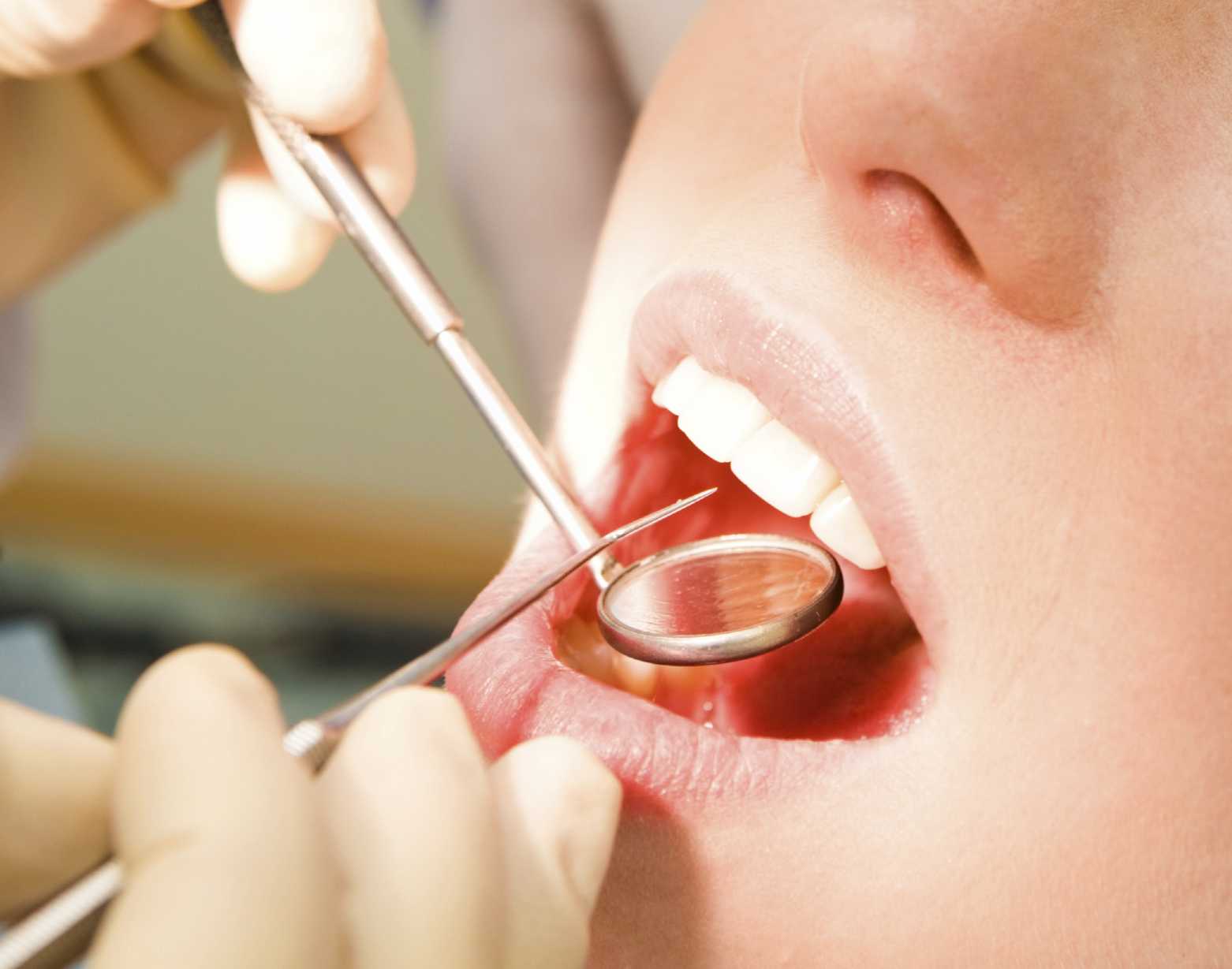
Dentists can see the parts of your mouth that you can’t see, so it’s during these visits that those hard-to-see areas can be inspected and properly cleaned. Over 59% of teens will experience cavities in their permanent teeth.

This alarming statistic is why teens should be seeing their dentist for cleanings and exams on a regular basis. 

4. Wear a mouthguard 

For teens that participate in sports and other physical activity, it’s important to wear a mouthguard. At your teen’s next appointment, they can be fitted for a mouthguard that is custom fit to their mouth for an appropriate fit.

This will help prevent teeth from chipping or breaking in the event the face is hit directly. No matter if it’s a flying ball or an elbow accidentally thrown into the face, a mouthguard can keep your teeth safe and in the mouth where they belong. 

5. Avoid oral piercings 

Many teens want to add new piercings to help with their self-expression. However, oral piercings cause more harm than good. The mouth is full of bacteria that can lead to swelling and infection. They list the risks of oral piercings to include: 

  • Difficulty speaking, chewing, and swallowing 
  • Damage to gums, tongue, and fillings
  • Excessive drooling
  • Difficulty getting x-rays of teeth
  • Increased risk of gum disease, uncontrolled bleeding, infection, and hepatitis B and C
  • Allergic reaction

6. Don’t smoke 

Smoking is not good for any aspect of health, but especially for teeth. Smoking can cause lack of oxygen, gum disease, and tooth loss in teens and adults alike. It’s important that teens never develop the bad habit of smoking, as it will likely cause dental problems for the rest of their lives. 

Can I Drink Alcohol After Tooth Extraction?

close up of a woman's hand holding a red cocktail
Can I Drink Alcohol After Tooth Extraction?

Getting a tooth pulled isn’t most people’s idea of a fun time. Very few people would blame you for wanting to relax with a beer after the procedure. However, if you want to have a smooth and speedy recovery, you shouldn’t go reaching for the alcohol cabinet just yet.

Can I Drink Alcohol After a Tooth Extraction?

Unfortunately, most dentists will recommend abstaining from alcohol after you have a tooth pulled. Once a tooth is removed, a blood clot must form over the extraction site in order for your mouth to heal properly.

This process can take about a week. If the blood is unable to clot, or if the clot is dislodged prematurely, you could get a painful condition called dry socket.

Not only does dry socket hurt, but it also leaves the nerves and bones near the extraction site vulnerable to bacterial infection, ultimately slowing down your healing process.

You may end up having to schedule more follow-up appointments with your dentist in addition to feeling pain radiate through your mouth and even the rest of your face.

How Soon After a Tooth Extraction Can I Drink Alcohol?

Generally, it’s best to avoid alcohol after an extraction for as long as your dentist suggests. That’s usually at least 72 hours. Just to be on the safe side, though, you may want to wait seven to 10 days for the blood clot to fully form and the extraction site to finish healing.

During that time, drink water instead. It’s important to stay hydrated throughout the healing process. However, remember to NOT drink through a straw, as that could dislodge the blood clot and cause dry socket.

Other Tips for a Smooth Recovery

In addition to refraining from drinking alcohol, here are some more post-op tips for a quick and easy recover after a tooth extraction:

  • Avoid strenuous physical activity for at least the first 72 hours.
  • When lying down, raise your head slightly.
  • Leave the gauze that your dentist put over the extraction site in place for a few hours to encourage a blood clot to form. Afterward, change it as often as needed.
  • Take all medications, including painkillers and antibiotics, as directed.
  • Do not rinse or spit too vigorously.
  • Hold an ice pack to your cheek in 10-minute intervals to reduce swelling and discomfort.
  • Avoid using straws for the first 48 hours.
  • Do not use tobacco products for at least three days.

As tempting as it may be to unwind with a bottle of beer or a glass of wine after your tooth extraction, it’s best to avoid it.

By following the steps listed above, and the aftercare guidelines provided by the best dentist in Durango, CO, your mouth will be fully healed before you know it. Then, you can celebrate with a toast to your healthy smile!

Taking Care of Your Teeth as You Age

The Importance Of Dental Care For Senior Citizens – Cirocco Dental Center
Taking Care of Your Teeth as You Age

Thinking that a family dentistry is a good choice for you? Family dentists and general dentists are two common types of dentists that people are choosing nowadays.

The main difference between these two choices is that a family dentist is specifically trained in treating patients of all ages.

Aging and oral teeth

The fact that a family dentist is specifically trained in providing oral care services for all ages means that you can expect to receive the type of dental care you need. Your mouth changes as you age, making it essential for you to choose a dentist who knows how to treat an aging mouth.

According to the American Dental Association, as you age, it becomes even more important to take good care of your teeth and dental health.

How to take care of teeth when aging

Since aging tends to bring in new concerns for a dental patient’s oral health, such as a higher chance of experiencing tooth decay, tooth loss and gum disease, aging patients need to pay special attention to these concerns if they want to have a healthy mouth. The list below includes information on how to take care of teeth when aging.

Think about using an electric toothbrush

It can be difficult to reach certain places in the mouth in order to properly clean them using a regular toothbrush. Dental patients who are experiencing problems cleaning their teeth using a regular toothbrush should consider using an electric toothbrush instead.

Electric toothbrushes tend to be easier to hold and maneuver, allowing for better control when cleaning the teeth.

Be proactive

Aging dental patients should be proactive when it comes to avoiding dry mouth and preventing plaque buildup. Dry mouth is more common in aging adults, which can be naturally due to the lesser amount of saliva production that occurs as one ages or due to taking certain medications.

Gum disease can be avoided by performing proper oral care and making regular dental cleaning appointments.

See a dentist more often

There are no rules that a dental patient can only see their dentist every so often. While a dentist will discuss with their patients how often they should be seen, most patients are seen twice a year.

Those who are concerned about taking care of their teeth as they age can choose to make dental appointments every three months or so with the expert dentists in Durango, CO, as this will not only provide them with the dental care they need, but it will also give them peace of mind.

How Many Hours in a Day Do I Have to Wear My Clear Aligners?

ClearCorrect Clear Braces in Easton, PA | Invisible Aligners
How Many Hours in a Day Do I Have to Wear My Clear Aligners?

Oral health care providers often recommend clear aligners for people who want to improve their smile. Everyone wants to look good. Good-looking people often have higher self-esteem and are usually more successful.

Fortunately, clear aligners can enhance your appearance by giving you a beautiful and healthy smile.

Treatment with clear aligners

Many people choose clear aligners because these appliances appear invisible. This helps hide the fact that a patient is undergoing orthodontic treatment, which is usually embarrassing for some individuals.

Clear aligners also conceal existing gaps. This is another common reason people choose them.

How clear aligners work

Once the expert dentist in Durango, CO determines how to correct the bite, a plan that will help move the teeth will be made. If clear aligners will help, a patient will be fitted for multiple versions.

These will help make adjustments that will move the teeth of the patient over the treatment time. The patient will get a new aligner every couple of weeks, which will ensure that the teeth are moved into the right position.

How long clear aligners should be worn every day

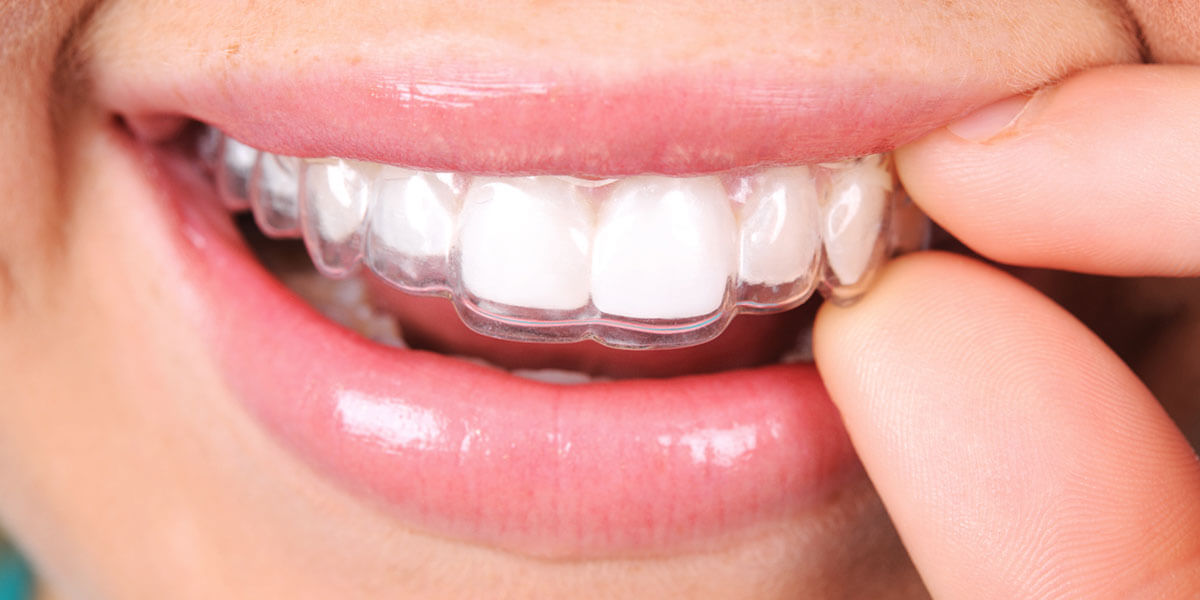
Clear aligners should be worn for about 22 hours every day or as prescribed by an oral health care provider. To increase the chances of achieving the desired results, aligners should remain in a patient’s mouth as much as possible.

Many patients appreciate that clear aligners can be removed. This is one advantage aligners have over braces.

Since clear aligners can be removed, it makes it easier not only to eat but also to clean them. It allows people to continue their usual hygiene routine of flossing and brushing.

Clear aligners also give people the freedom to eat what they want. Unlike traditional braces, a person is not limited to what can be eaten as long as the appliances are removed.

Patients may experience some discomfort when switching to new sets of aligners. The good thing is that the discomfort can be managed easily. Removing them because of discomfort is never encouraged.

The only way aligners can work is if the appliances are in the mouth. The entire treatment can take between 10 and 24 months depending on several factors.

Treatment time can be longer or shorter depending on how much a patient’s teeth need to be moved. This also depends on how long a person has them on each day. Each set of aligners should be worn for about a week or two before a person moves on to another set.

Over time, the teeth will eventually reach the ideal places. The total number of aligners that may be required will vary by the needs of every individual. Patients are also supposed to wear retainers after the teeth are moved to the new positions.

Can Oral Health Impact Your Overall Health?

Diabetes and Maintaining Good Oral Health
Can Oral Health Impact Your Overall Health?

Oral health refers to the health of the gums, teeth, and jaw. When there are any abnormalities or imperfections, there is a risk to oral health, which can also put the entire body at risk, thus negatively affecting overall health. Keep reading to find out more!

The impact oral health has on overall health

Below is an overview of the link between oral health and overall health. This information may be useful to individuals who are trying to better understand if and how oral health conditions impact their entire body.

Unhealthy impact

While it may come off as surprising, it is important to know that the entire body can be affected by the oral cavity.

Unfortunately, the teeth and gums are not isolated from the rest of the body, meaning, any conditions in the oral cavity can lead to problems elsewhere. 

Of course, conditions like crooked teeth or stains will not affect the rest of the body. However, there are a lot of other connections that most do not realize. Outlined below are some of the links, which can be helpful to review. 

  • Teeth grinding is often caused by stress, which may have nothing to do with the oral cavity
  • Gum disease and tooth decay can both result in a spread to the rest of the body
  • Sleep apnea conditions can lead to serious health concerns, such as a lack of flowing oxygen

Healthy impact

Just as with unhealthy conditions, when the oral cavity is healthy and thriving, the rest of the body is also much more likely to be in good shape.

Proper oral hygiene, consisting of brushing, flossing, and rinsing will ensure that the oral cavity remains healthy and strong. This then translates to the rest of the body, ensuring that any abnormalities do not source from the teeth or gums. 

When trying to ensure that the oral cavity is healthy enough for the rest of the body to thrive, it is recommended to eat a lot of fruits and vegetables. Avoiding overly acidic or sugary foods and beverages can also be quite helpful in maintaining good oral and overall health. 

The role of a complete health dentist

The best dentists in Durango, CO focus their efforts on both oral and overall health. In fact, their goal is to identify key characteristics that link the two together.

In simpler terms, they evaluate oral health conditions or abnormalities that may cause problems throughout the entire body. From there, the appropriate steps can be taken to tackle the existing issues and prevent them from reoccurring. 

The Procedure for Getting Full Mouth Dental Implants

How to Fix Loose Dental Implants | Smile Design Dentistry
The Procedure for Getting Full Mouth Dental Implants

Also known as a full arch replacement, full mouth dental implants are used when all the teeth on a dental arch are lost. They are a more reliable dental restoration option compared to conventional dentures. This article highlights what is involved in getting full mouth dental implants.

The procedure

The precise number of dental implants needed for full mouth dental implant procedure varies. In most situations, the implant specialist will use six dental implants.

Full mouth dental implant procedure is just like getting multiple tooth implants because of the amount of planning and preparation that is required to make the procedure successful. The process starts with an examination, during which the dentist will assess the patient’s dental health and medical history.

They may take X-ray scans and 3D images of the jaw to determine the density of jawbone and the best position for the dental implants. The scans will show vital structures such as the nerves, bone, muscles and blood vessels.

The dentist will then plan the implant surgery, often aided with computer software. They will use the digital images obtained to fabricate a custom surgical guide. Before placing the implants, the dentist will administer local anesthesia to render the patient numb to any pain.

The surgery

With the surgical guide, the dentist will be able to place the dental implant accurately into the correct position. The implants will be placed in the denser areas of the jawbone for maximum support.

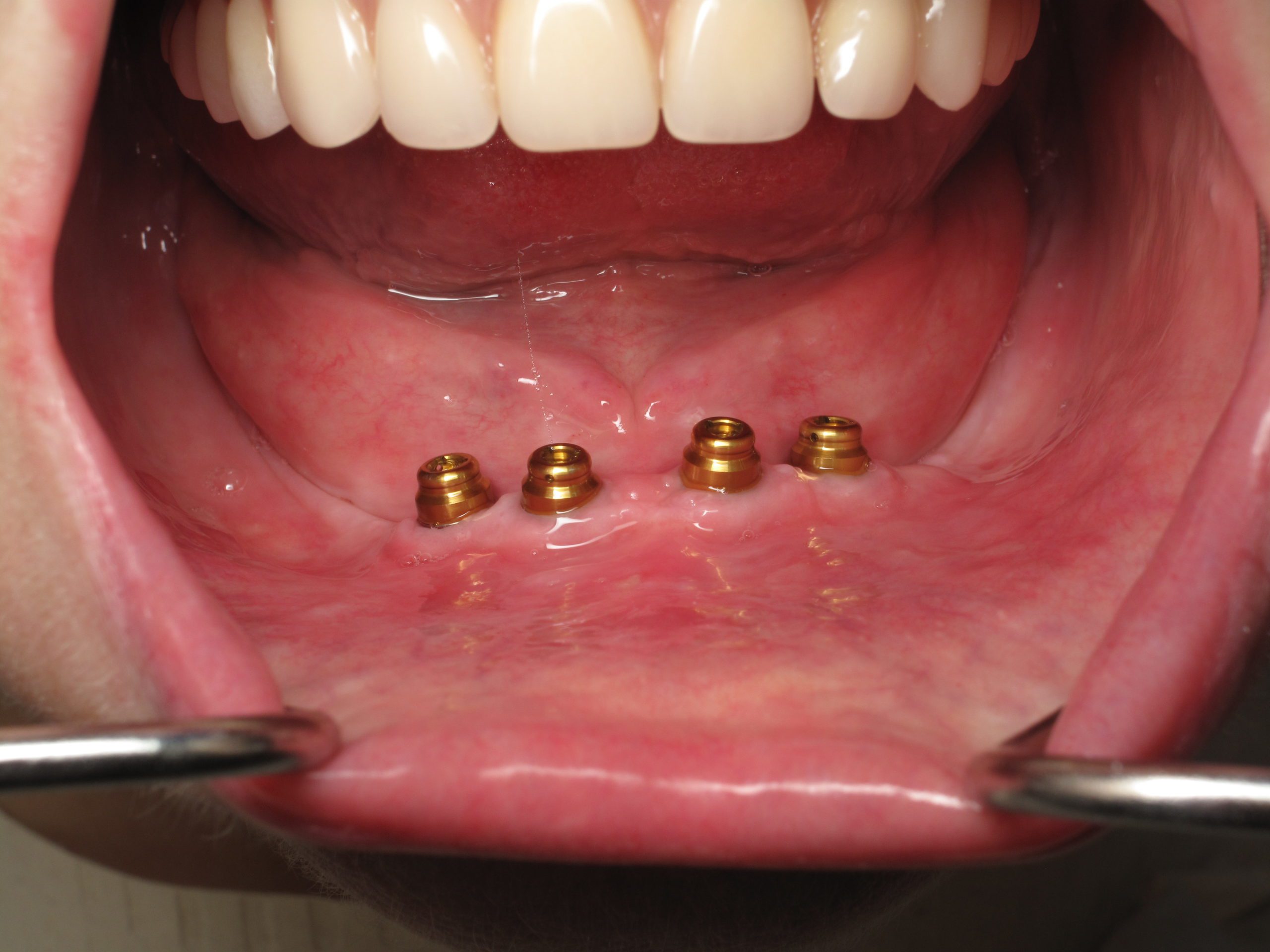
All the implants will be covered with healing caps (abutments), and the implants will be allowed to fuse with the jawbone. At this stage, the dentist may decide to provide a temporary denture for cosmetic or partial teeth functions before the implants have fully healed.

After the dental implants heal completely, the patient will need to return to the implant specialist. They will take impressions of the teeth so the dental lab can fabricate the permanent tooth restoration for the implants.

The full arch bridge or denture can be created from different materials, but nowadays, the common practice is to use Zirconia. Zirconia is a fully metal-free, tooth-colored material that is remarkably strong and natural-looking.

Recovering after full mouth dental implants

Patients may feel slight discomfort after undergoing a full mouth dental implant procedure, and that is normal. The dentist will recommend painkillers to use and provide recovery tips.

The patient may need to use antibiotics and get an antimicrobial dental rinse to use within the first few days after surgery. The best dentist in Durango, CO will provide information on oral hygiene and the best foods to eat after undergoing dental implant surgery.

The success rate of full mouth dental implants is high, and patients can expect them to last for several years. With proper care and maintenance, the success rate can be as high as 90% after 15 years. Patients must pay attention to factors that may affect the durability of this procedure.

4 Recovery Tips After Dental Implant Surgery

5 Common Dental Implant Myths and the Facts
4 Recovery Tips After Dental Implant Surgery

After undergoing dental implant surgery, you can get a brand-new start with new dental restorations. However, before the final restoration is placed, you need to go through a healing and recovery phase, during which the implant will fuse with the jawbone.

Ideally, you need to follow the implant specialist’s tips to ensure a successful recovery.

Tips for recovery

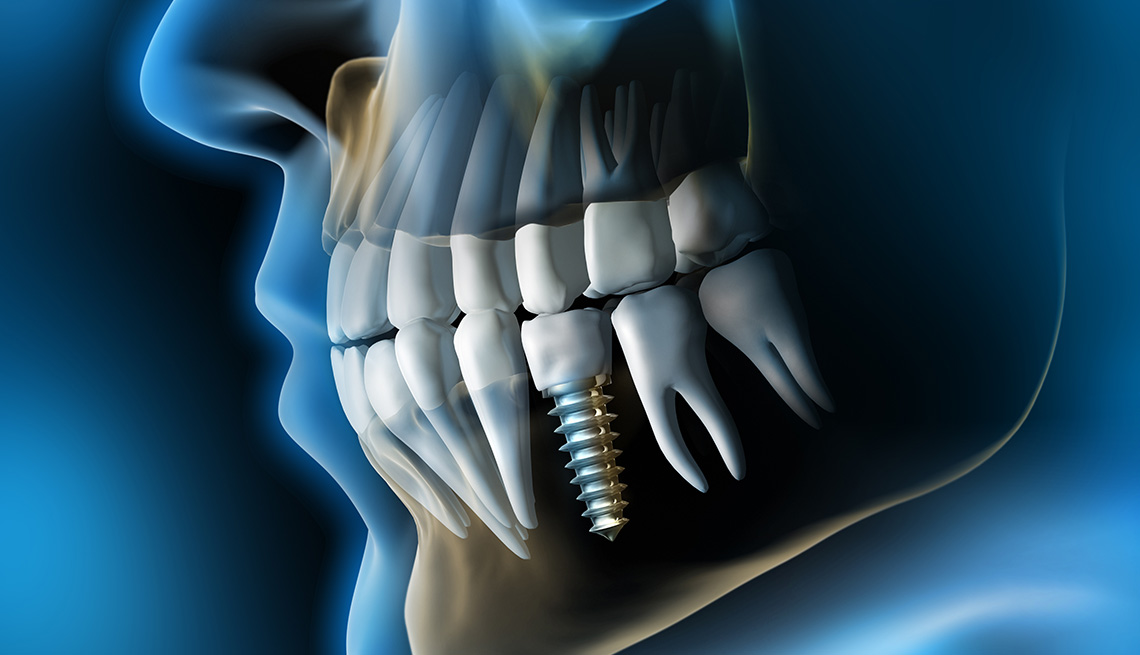
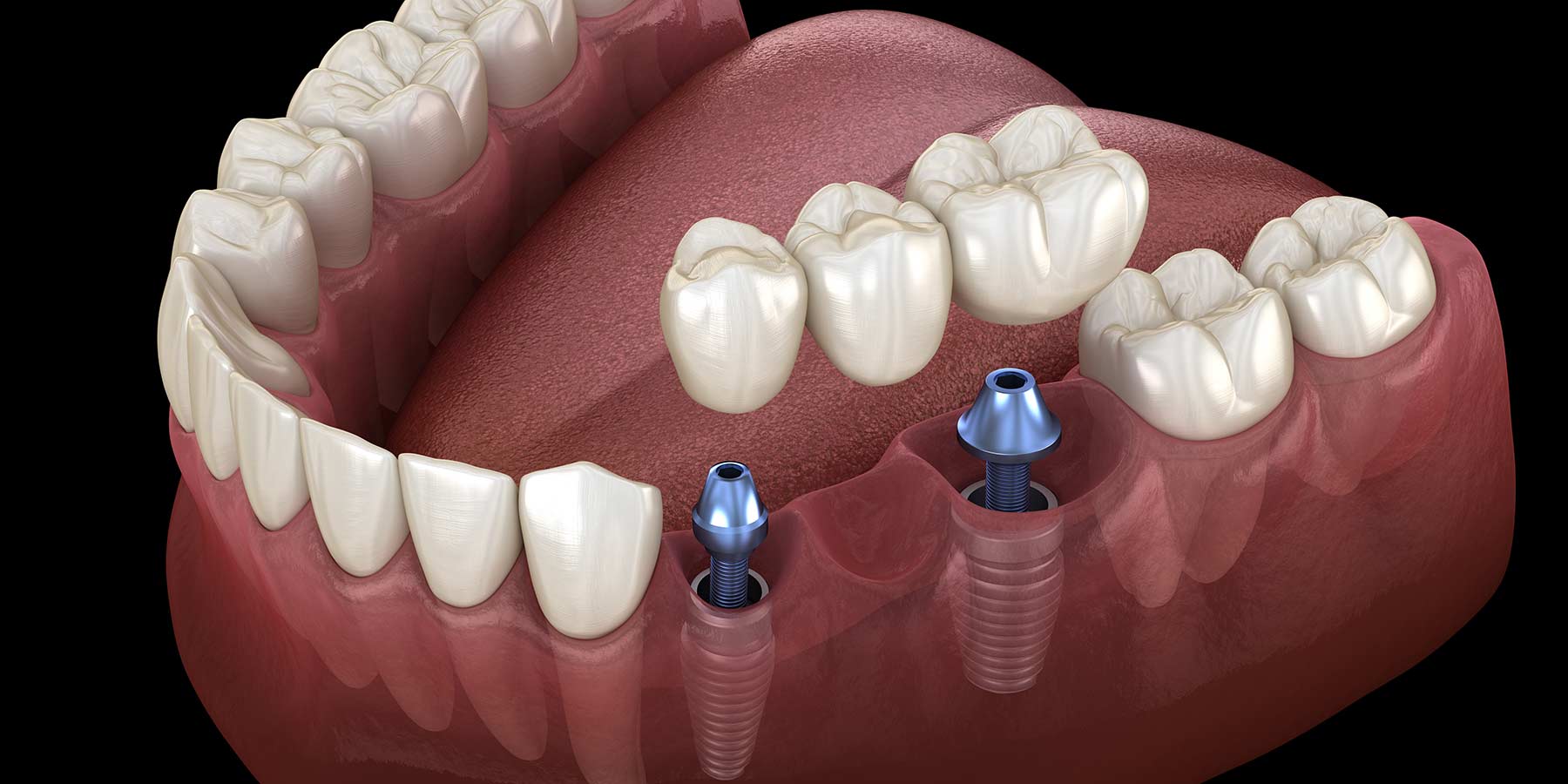
Dental implant surgery involves the placement of implant posts into the jawbone to support a new dental prosthesis such as a crown, bridge or denture.

The implant functions as the new root and integrates with the jawbone for stability. The following are tips for smooth healing and recovery.

Bleeding and swelling

After the surgery, the implant specialist will apply a gauze pad on the surgical site. Patients need to apply gentle force on the gauze pad and take it off after about an hour.

If the bleeding has not stopped, reapply the gauze with a new one that has been dampened with few drops of cold water. Change the gauze every 30 to 60 minutes until the bleeding stops. It is normal to experience bleeding and redness in the saliva for up to 24 hours after surgery.

Swelling is normal and may occur after about 48 hours following the surgery. Placing an ice pack on the cheek overlying the surgery site may help alleviate the swelling. Preferably, the ice should be applied on and off every 20 minutes. A heating pad or warm towel may reduce swelling that occurs after the first 24 hours following surgery.

Pain management

At the end of the surgery, the patient will experience numbness at the surgery site. Dental implant surgery should typically not cause a high degree of pain.

However, the implant specialist may prescribe medications to help reduce soreness after surgery. Patients need to get their prescriptions soon after the surgery. Taking pain medication before the anesthesia wears off may help limit the pain.

Diet

It is advisable to drink fluids after implant surgery. Patients also need to avoid hot foods, as it may lead to bleeding or pain around the surgery site. They have to stick to a diet of liquids and soft foods for a few hours after the surgery.

Unless otherwise stated by the dentist, patients will be able to resume their regular diet two or three days after the surgery. Nutrition is essential for healing. Patients also experience fewer side effects caused by pain meds or antibiotics if the drugs are ingested after meals.

Oral hygiene

Good oral hygiene is vital for healing. Patients can brush their teeth and the abutment, but they must avoid vigorous brushing. The dentist may also recommend a mouth rinse to keep the mouth clean.

Final note

A dental implant is a smart investment for those who need permanent tooth replacement. They restore confidence and allow you to smile, eat and talk.

Throughout the restoration process, the implant specialist will try to keep you as comfortable as possible. If symptoms such as bleeding and swelling persist for more than a few days, contact the dentists in Durango, CO as soon as possible.

Know When to Consider Getting Dental Implants

The Potential Health Risks of Dental Implants
Know When to Consider Getting Dental Implants

There are many options for people who want to improve their smile, and dental implants are a good choice for those who have infected teeth or are missing some in visible areas.

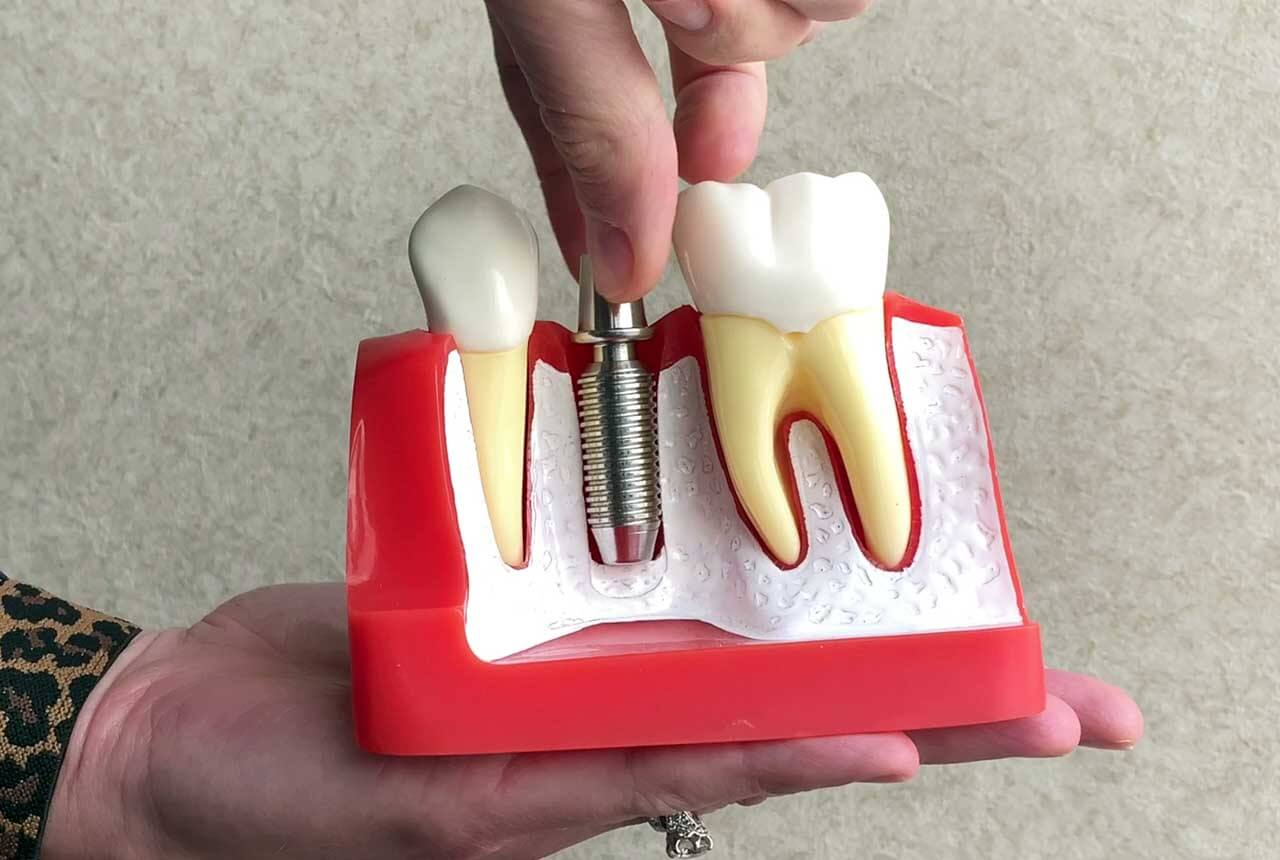
Implants are inserted directly into the bone of the jaw, and a crown is placed on top. Not all people are candidates for implants, but there are many situations in which this method is effective. There are also a number of benefits compared to other alternatives.

Candidates for dental implants

Patients with good bone density in the jaw are typically eligible candidates for implants if one of the following issues is present.

Missing teeth

Having gaps in the teeth can decrease confidence and prevent individuals from smiling. Replacing these missing teeth can greatly improve self-esteem and the health of the mouth, making implants a good option.

Tooth sensitivity

Sensitivity and pain, especially when exposed to cold or hot temperatures, are often signs of damaged teeth. Dental implants are a viable option to fix serious oral health problems and allow people to return to eating and drinking any type of food or beverage they enjoy.

Cracked tooth

A cracked or broken tooth can also cause someone to feel self-conscious about how they look. This problem can vary in severity, and in extreme situations, it may be hard to fix using other cosmetic procedures.

Sometimes the smartest option is to remove the tooth completely and replace it with an implant.

Infected tooth

An infection that goes untreated can lead to health issues such as heart problems and strokes. Oftentimes, it is better for the person’s health to remove the infected tooth and replace it with a dental implant.

Improperly fitting dentures

Dentures can be beneficial for replacing teeth, but the effectiveness is not always as good as dental implants. Dentures require maintenance and are not secured, so they may slip or even fall out.

If this is the case, implants may be a good alternative that causes less stress than dentures.

Benefits of dental implants

People choose dental implants over other procedures for a number of reasons. Since they anchor to the jawbone, implants eventually bond with the bone. This makes them stable and secure, which is beneficial since there is no slipping or moving.

They also help anchor neighboring teeth, which results in even more strength. In addition, implants help to prevent bone loss of the jaw.

Due to the stable base, people who wear dental implants are able to chew food normally. The crowns of the implants look like natural teeth, so it is difficult to tell when someone has implants.

Compared to dentures or missing teeth, implants help improve speech. With the right oral care, most implants last a lifetime.

Besides the benefits to the patient’s health and improved function, implants also offer aesthetically pleasing advantages. The appearance is natural, and patients can feel good about smiling again.

Conclusion

People who have missing teeth or other oral health issues are recommended by the best dentist in Durango, CO to consider dental implants. There are a variety of benefits that make it worth comparing them to other replacement alternatives.

Frequently Asked Questions About Same Day Implants

Understanding Denture Locator Implants and How They Work
Frequently Asked Questions About Same Day Implants

Same day implants are becoming increasingly popular, especially among people who do not want to wait for several months before getting a dental implant restoration. These implants will be loaded immediately, with new prosthetic teeth to handle minor chewing.

Same Day Implants FAQs

The following are answers to frequently asked questions about same day implants.

How do same day implants work?

Dental implants remain the most advanced and reliable way to replace lost teeth. The implant is inserted into the jaw to hold a new dental restoration, which means the implants must be stable.

To allow fusion of the implant with the jawbone, osseointegration must happen without the slightest disruption of the dental implant.

Therefore, the dentists in Durango, CO will place the new crown or denture in a way to avoid masticatory forces for several weeks until the jawbone heals. The technique used for inserting the implants may allow patients to still perform minor chewing.

Who is eligible for same day implants?

Usually, the ideal candidate is any healthy patient with good bone volume and without gum disease or infection or smoking habits. If the patient has an infection, the dentist will treat that before commencing the dental implant procedure. The initial evaluation is important so the dentist can decide if the patient can get same day implants.

Why are the advantages of same day implants?

The usual practice is to wait for three to six months after a tooth extraction before getting implants. After placing the implants, patients have to wait for a few months for osseointegration before getting the dental restoration.

For some people, this treatment period is unacceptably long. Also, bone resorption and gum recession may occur if the implants are not placed soon after tooth loss. The result of same day dental implant placement is not different than conventional implant restoration.

By inserting the dental implant and placing the restoration immediately, dentists can preserve the aesthetics of the surrounding tissues.

It also ensures full preservation of the gums and jawbone. With same day implants, patients will not have to go another day with a gap in their smile.

What is the success rate of same day implants?

Loading implants right away does not affect their success rate negatively, especially if the dentist ascertains the patient’s eligibility before the dental implant surgery. Implant failure is often attributed to periodontal disease, poor oral hygiene or systemic disease.

Yet, all dental surgeries are prone to complications, regardless of the techniques used, so it is important to talk with a dentist about any concerns before the surgery.

How many appointments are required?

The major aspect of the surgery is tooth extraction. Implant surgery is relatively easier if the implants are placed soon after removal.

In most situations, the implant is stable enough and can get a custom-made dental restoration. The entire procedure is completed in a single session and may take about an hour.

What can patients expect after the procedure?

Each patient is different. Some may experience slight swelling and pain for a few days after the procedure. All patients must meet up with the dental implant specialist at scheduled appointments throughout the treatment process.

3 Reasons Your General Dentist Might Recommend Dental Implants

Dental Bridges vs. Dental Implants
3 Reasons Your General Dentist Might Recommend Dental Implants

As one of the most popular ways to replace missing teeth, many general dentists tend to recommend implants over dentures, fixed bridges and other teeth replacement solutions. When deciding between options, it is helpful to understand why dental implants are so highly recommended by the best dentists in Durango, CO. 

Reasons to consider dental implants

Dental implants are a great way to improve the appearance, health and function of a person’s teeth. The following are three of the more notable reasons patients should consider implants and why general dentists often recommend treatment. 

Achieve a more attractive smile

One of the biggest advantages to dental implants is the cosmetic improvement to one’s smile. Missing teeth create an issue with appearance, and unfortunately, many begin to feel less confident at work in social situations after tooth loss occurs.

Of course, there are other teeth replacement solutions, such as dentures or fixed bridges, but many general dentists believe that dental implants provide patients with the most natural appearance, as they are essentially indistinguishable from natural teeth.

Also, dental implants preserve the bone around the replacement tooth more effectively than other options, which ensures a healthy jaw appearance is maintained after tooth loss occurs. 

Improve oral health and function

While many individuals seek dental implants to gain the cosmetic benefits, many general dentists also recommend treatment as a way to improve oral health and daily function. Many with missing teeth find it harder to eat and speak, along with increasing the risk of other oral health concerns such as gum disease, bone loss and oral infections.

Dental implants look, feel and function just like natural teeth, and patients are free to eat the same way they could with natural teeth. Dental implants also preserve bone and gum health as well, helping patients prevent the need for other oral health treatments in the future. 

Enjoy a long-term solution

For the most part, those who get dental implants can care for their replacement teeth the same they would natural teeth, which includes brushing, flossing and using mouthwash.

People with implants often have more food choices as well as they are able to more effectively chew tougher foods. Due to this reason, many general dentists recommend dental implants over removable dentures if the patient prefers the easiest, most natural replacement option.

Also, since the implants are placed into the jaw and they work the same way as a natural tooth, they last longer than other replacement options. In many instances, dental implants last for 20 years or more without patients experiencing any real issues, whereas dentures and fixed bridges may require more frequent repairs. 

Design a site like this with WordPress.com
Get started